
“`html
Multiple layer roof tear off dumpster Muskogee: how each layer changes your rental
⏱️ 11 min read · Last updated: 2026
- Each additional shingle layer adds approximately 230–450 lbs per roofing square (100 sq ft), depending on shingle type — 3-tab runs lighter, architectural runs heavier.
- A standard 20-yard roll-off dumpster holds roughly 4 tons (8,000 lbs) of shingle debris before hitting its weight limit in most Muskogee rentals.
- A two-layer tear-off on a 25-square roof with architectural shingles generates an estimated 17,500–22,500 lbs — requiring at least two hauls regardless of dumpster size.
- The extra haul threshold for most Muskogee roll-off rentals is 4 tons; overage fees commonly run $75–$150 per ton over that limit.
- Three-layer tear-offs require a second haul on any roof larger than 8–10 roofing squares with standard architectural shingles.
The dumpster was two-thirds full and the crew hadn’t cleared the back slope yet. That’s the moment a multiple layer roof tear off dumpster Muskogee plan falls apart — the container looks half-empty by volume but it’s already over its weight limit, the hauler is about to charge overage fees, and the roofing crew is standing there waiting. On a 28-square job I tracked in Muskogee, three layers of 30-year architectural shingles added up to nearly 29,000 lbs total. The homeowner had ordered one standard dumpster.
Weight — not cubic yards — is what makes layered tear-offs fundamentally different from single-layer jobs. Asphalt shingles are dense enough that a 20-yard roll-off dumpster hits its 4-ton limit when it’s visually about 40–60% full. Stack two or three layers of material coming off simultaneously and that limit arrives fast. According to muskogee roofing debris statistics dumpster data, layered tear-offs are the most common source of unexpected overage fees on residential roofing jobs in the area.
The math isn’t complicated once you know the numbers. Two variables determine the right plan: how many layers are coming off, and how many roofing squares the roof covers. Everything else follows from those two figures.
The weight math that most dumpster calculators skip
Every additional shingle layer multiplies the debris weight in a near-linear way — and weight, not volume, determines whether one dumpster gets the job done. Standard 3-tab shingles weigh approximately 230–250 lbs per roofing square per layer. Architectural and dimensional shingles, which are now the dominant product on Muskogee residential roofs, run heavier: approximately 350–450 lbs per roofing square per layer.
Stack two layers and you’re looking at 460–900 lbs per square before a single shingle hits the dumpster. Three layers brings that to 690–1,350 lbs per square. On a typical 25-square home, a three-layer tear-off using architectural shingles generates roughly 26,250–33,750 lbs of material — that’s over 13 tons from a house that looks perfectly ordinary from the street.
The National Roofing Contractors Association notes that architectural shingles — now the standard in most residential installations — commonly weigh 40–70% more than the 3-tab shingles they replaced. This means older layer-count weight estimates significantly understate actual debris weight on modern Muskogee roofs where architectural shingles were applied over existing 3-tab.
The weight multiplier is close to linear across layers: layer two adds roughly the same weight as layer one, and layer three adds the same again. That cumulative effect is what breaks single-dumpster plans. When you book roofing dumpster rental Muskogee OK for a layered job, the right move is to calculate by weight first and let the container size and haul count follow from that number.
Quick check: Do you know your shingle type and your square count? If yes, skip to the decision tree. If no, get those two numbers from your contractor before calling the dumpster company — everything else depends on them.
Do I need a bigger dumpster if my roof has three layers of shingles?
Yes — almost without exception. A three-layer tear-off on any Muskogee roof larger than 8–10 roofing squares will exceed the weight limit of a standard 20-yard roll-off dumpster, even before it looks visually full. The volume appears manageable; the weight is not.
Here’s the specific math on a 15-square roof: three layers of architectural shingles at 400 lbs per square per layer equals 18,000 lbs of debris. The weight limit (tons) for a standard 20-yard roll-off in Muskogee is commonly 4 tons (8,000 lbs). That’s 10,000 lbs — five tons — over the limit on what looks like a modest ranch home. You are not fitting that in one container.
The practical options for a three-layer tear-off are three. First: schedule two hauls with the same container — the crew fills it midway through the tear-off, the company swaps it for an empty, the second half goes in the fresh container. Second: rent two containers simultaneously and split the roof into sections. Third: upgrade to a specialty heavy-debris dumpster with a higher weight rating, where available. Option one is most cost-effective for the majority of Muskogee residential jobs and the one most experienced roofing crews prefer.
It’s also worth knowing that Oklahoma’s residential building code has historically capped shingle installations at two layers before a full tear-off is required. A three-layer tear-off often signals an older home where the limit wasn’t enforced, or a previous re-roof done without permits. That history doesn’t change the debris weight — but it does mean three-layer jobs sometimes carry additional surprises like deteriorated underlayment, which adds more material to dispose of.
Quick check: Three-layer tear-off, 10+ squares — plan for two hauls before the job starts. The cost of scheduling the swap upfront is always lower than paying rush overage fees once the container is already over the limit.
How much heavier is a two-layer tear-off for a Muskogee roof?
A two-layer tear-off is approximately double the weight of a single-layer job on the same roof — and that doubling is the critical number that determines whether one 20-yard roll-off dumpster is sufficient. On a standard 20-square Muskogee home with architectural shingles, a two-layer shingle removal generates roughly 14,000–18,000 lbs, compared to 7,000–9,000 lbs for the same roof with one layer.
The weight limit threshold makes the math clear. A single layer of architectural shingles on a 20-square roof lands around 7,000–9,000 lbs — right at or just over the 4-ton limit of a standard 20-yard roll-off. Add the second layer and you’re at 14,000–18,000 lbs, roughly 1.75 to 2.25 times the weight limit. One container is not enough.
For a two-layer tear-off on a typical Muskogee home of 20–25 roofing squares using architectural shingles, plan for a total debris weight of 14,000–22,500 lbs — between 1.75 and 2.8 times the weight limit of a standard 20-yard roll-off dumpster.
There is a narrow window where a single container works for two-layer shingle removal: roofs under 10 squares using lighter 3-tab shingles. On those jobs, the total weight can come in around 4,600–5,000 lbs per layer, or 9,200–10,000 lbs for two layers — still over the standard 4-ton limit but close enough that some rental companies offer a higher-weight-allowance option for a modest upcharge. To get a weight-based estimate specific to your job and figure out what size dumpster for roof tear off Muskogee makes sense for your square count and layer count, confirm the per-ton overage rate and the base weight allowance before you book anything.
Quick check: Two-layer tear-off on a roof under 10 squares with 3-tab shingles — ask about the weight allowance upgrade. Two layers on anything over 10 squares with architectural shingles — plan for two hauls. Don’t try to make one container work.
The layer-by-layer decision tree: matching your roof to the right container
The right dumpster for layered tear off disposal comes down to three variables: layer count, square footage, and shingle type. This table maps the most common combinations to concrete decisions, including where the weight math forces a different plan than the container size alone would suggest.
| Layer count | Roof size (squares) | Est. debris weight (arch. shingles) | Best path | Extra haul risk |
|---|---|---|---|---|
| 1 layer | Up to 20 sq | 7,000–9,000 lbs | One 20-yard roll-off dumpster | Low |
| 1 layer | 21–35 sq | 9,000–15,750 lbs | One 20-yard + swap haul or confirm higher weight allowance | Moderate |
| 2 layers | Up to 10 sq | 7,000–9,000 lbs | One 20-yard — confirm weight limit (tons) in writing | Low–Moderate |
| 2 layers | 11–25 sq | 10,000–22,500 lbs | Two hauls with one container or two containers simultaneously | High |
| 3 layers | Any size | 1.5× the two-layer weight estimate | Minimum two hauls; plan three for roofs over 20 sq | Very High |
Use this six-step process to arrive at the right number before you call:
- Get the square count from your contractor — one roofing square equals 100 sq ft of roof surface. Don’t estimate from the home’s floor plan; roof geometry adds 20–40% on most pitched homes.
- Identify the shingle type on each layer — ask specifically whether the existing layers are 3-tab or architectural. If unknown, assume architectural (heavier) for the planning weight.
- Run the weight calculation — multiply square count × layer count × lbs per square per layer. Use 400 lbs as a safe planning figure for architectural shingles.
- Compare to the weight limit (tons) — confirm the rental company’s specific weight allowance for shingle debris in writing, not just the container’s cubic yard volume.
- Divide the total weight by the allowance — the result tells you how many hauls you need. Round up.
- Add a 10–15% buffer — layers aren’t perfectly uniform, and underlayment, flashing, and decking scraps add weight that rarely shows up in a contractor’s square count.
Knowing the roofing dumpster rental days needed Muskogee crews typically require helps you time the swap haul so the container isn’t sitting empty overnight between loads. A mid-job swap on a two-layer tear-off usually takes one to two hours — schedule it for late morning so the crew doesn’t lose a full half-day of production time.
Quick check: Square count × layers × 400 lbs = your planning weight. If that number exceeds 8,000 lbs, plan for multiple hauls before the first shingle comes off the roof.
When a 20-yard roll-off dumpster hits its limit before it looks full
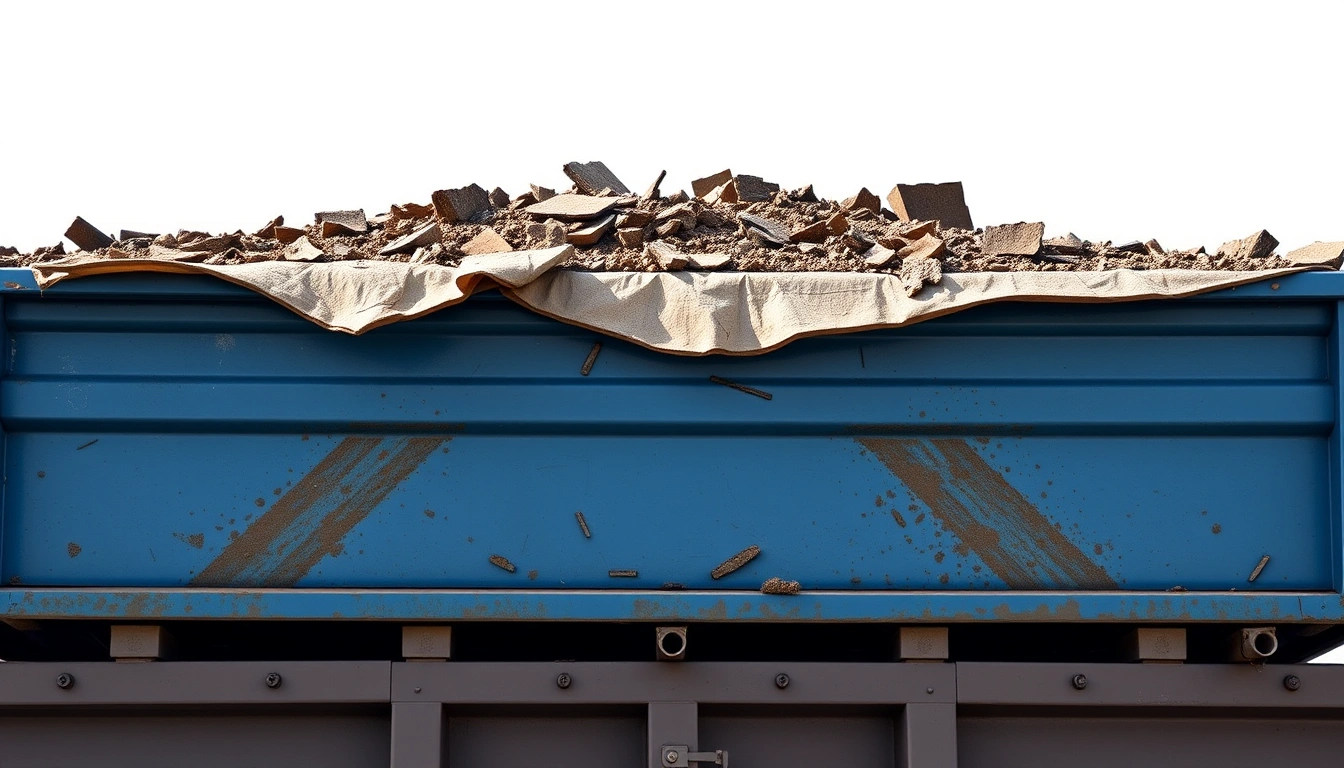
Shingles are among the densest residential construction materials by weight per cubic foot. A 20-yard roll-off dumpster packed with asphalt shingles commonly hits its 4-ton weight limit when it’s only 40–60% full by visual volume. That means a container that looks half-empty on a multiple layer roof tear off dumpster Muskogee job can already be at or over its legal road weight — and the crew has no way to tell without a scale.
Roofing crews tend to load based on what they can see, not what the container weighs. By the time the dumpster looks full, it can be two or three tons over the weight limit. Haulers weigh loads at the landfill, and if your load is over the contracted weight, you pay the overage — typically $75–$150 per ton in Oklahoma — regardless of whether anyone flagged it during loading.
The practical solution is to brief the crew before the job starts: on a two-layer or three-layer tear-off, stop loading and call for the swap haul when the container reaches approximately 50% visual capacity. It feels counterintuitive — the dumpster looks barely used. But that’s the point where the weight math says you’re close to or already at the limit on a heavy-layer job. The 50% visual mark is not a rule of thumb; it’s the weight math translated into something the crew can actually see on the job site.
Quick check: Talk to the rental company before the job and ask what a typical Muskogee layered tear-off on a similar-size roof looks like on the scale ticket. Experienced haulers have seen it dozens of times and can tell you what to expect.
Four situations where the standard layer count advice breaks down
Standard layer-count-to-dumpster advice assumes a clean residential tear-off with consistent shingle type across all layers and no other major debris. These four scenarios change the weight math enough that the standard recommendation produces the wrong answer.
1. The roof has different layer counts on different sections
Muskogee homes with additions, garages, or attached structures often have different layer histories on different roof sections. The main house may have two layers; the garage addition may have one. The standard advice for a “two-layer job” doesn’t apply cleanly here. What to do instead: ask your contractor for a per-section layer count and square footage, calculate the weight for each section separately, then add the totals. Treat the highest-layer section as the governing variable for your haul count.
2. Wood decking replacement is part of the scope
When plywood or OSB decking is being replaced alongside the tear-off, that material adds roughly 1.5–2.5 lbs per sq ft — approximately 150–250 lbs per roofing square. On a 25-square roof, that’s an additional 3,750–6,250 lbs that most shingle-weight calculators ignore entirely. What changes: add a full extra ton to your planning weight on any job where decking replacement is confirmed. This alone can push a borderline single-haul plan into a clear two-haul job.
3. Ice and water shield or extra felt layers are present
Older Muskogee roofs sometimes have peel-and-stick ice barrier membranes or multiple layers of roofing felt underneath the shingles. These layers add 15–30 lbs per square each. On a 30-square roof, that’s an additional 450–900 lbs. Not enough to change the haul count on its own, but enough to push a borderline load over the weight limit. What to do: if your contractor identifies additional barrier layers during inspection, add 500 lbs to your projected weight as a planning buffer.
4. A flat or low-slope section uses modified bitumen instead of shingles
Modified bitumen roofing — found on low-slope sections of some Muskogee commercial-residential hybrids and older bungalows — weighs approximately 600–800 lbs per roofing square per layer. A single layer of mod-bit on a 10-square flat section adds more weight than 20 squares of standard 3-tab shingles. What to do: treat any modified bitumen section as a weight multiplier of roughly 2.5× compared to standard architectural shingles, and build your haul plan around that number before anything else.
Quick check: Before the job starts, ask your contractor these four questions directly: Are there partial-layer-count sections? Is the decking being replaced? Are there extra barrier or felt layers? Are any sections mod-bit or flat-roof membrane? Each yes changes the weight calculation.
- Each shingle layer adds 230–450 lbs per roofing square — layer count is the primary cost driver on layered tear off disposal jobs, not roof size alone.
- A standard 20-yard roll-off dumpster holds ~4 tons of shingles; most two-layer tear-offs on Muskogee homes over 10 squares exceed this limit and require two hauls.
- Three-layer tear-offs require a minimum of two hauls on roofs larger than 8–10 squares — this is not a contingency plan, it’s the baseline.
- Shingles hit the weight limit when the dumpster is 40–60% visually full; brief the crew to stop at 50% visual capacity on any multi-layer job.
Common questions about multiple layer roof tear off dumpster Muskogee
What is a multi-layer roof tear-off and why does it matter for dumpsters?
A multi-layer roof tear-off means removing two or three existing shingle layers that were applied over each other instead of removed. It matters for dumpster rental because each additional layer multiplies the debris weight by 230–450 lbs per roofing square — often pushing a single job past the 4-ton weight limit of a standard 20-yard roll-off dumpster.
How do I size a dumpster for a three-layer roof step by step?
Step 1: Get your square count from the contractor (1 square = 100 sq ft). Step 2: Multiply squares × 3 layers × 400 lbs per square per layer (for architectural shingles). Step 3: Divide by 8,000 lbs (the standard 4-ton weight limit) to get the number of hauls needed. Most three-layer roofs over 10 squares require at least two hauls.
Is one dumpster or two hauls better for a multi-layer roof in Muskogee?
Two hauls with one container is usually the most cost-effective approach for most Muskogee residential jobs. A planned mid-job swap haul typically costs $200–$400 less than renting two containers simultaneously. Schedule the swap for mid-morning on tear-off day so the crew isn’t waiting more than one to two hours for the empty container to return.
Why did my multi-layer roof fill the dumpster so fast?
Shingles hit the weight limit when the container is only 40–60% visually full because asphalt shingles are denser than almost any other residential debris type. Multi-layer jobs accelerate this — two or three layers come off simultaneously, and weight accumulates twice or three times as fast as a single-layer tear-off. The dumpster looks manageable until it’s over the limit.
How much extra does a two-layer tear-off dumpster cost in Muskogee in 2026?
In 2026, a planned second haul for two-layer shingle removal in Muskogee typically adds $200–$400 to a standard rental cost. Unplanned overage fees — when a crew overloads a single container — commonly run $75–$150 per ton over the weight limit. Scheduling two hauls upfront is almost always the cheaper path once the math is done.
Can I rent a 30-yard dumpster instead of two hauls for a multi-layer tear-off?
A 30-yard container has more volume but not always more weight capacity — many Muskogee companies apply the same 4-ton weight limit to shingle debris regardless of container size. Confirm the weight limit (tons) specifically for roofing material before assuming a larger container solves the problem. In most layered tear-off cases, two hauls in a 20-yard roll-off dumpster is cheaper than upgrading container size.
What’s the weight limit for shingle debris in a Muskogee dumpster rental?
Most Muskogee roll-off rentals set a weight limit of 4 tons (8,000 lbs) for roofing and shingle debris on a standard 20-yard roll-off dumpster. Some companies offer a higher-allowance option — up to 5–6 tons — for an upcharge, which can reduce the number of hauls needed on larger layered jobs. Always confirm the base weight allowance and per-ton overage rate before booking.
The bottom line
Layer count is the variable that breaks standard dumpster planning on Muskogee roof jobs. A single-layer tear-off on a 20-square roof is a one-container job. A two-layer tear-off on the same roof nearly doubles past the weight limit of a standard 20-yard roll-off dumpster. A three-layer tear-off makes two hauls the baseline, not the backup plan.
The one step to take today: before you call a dumpster company, get the square count and layer count from your contractor and run the simple calculation — squares × layers × 400 lbs. If the number exceeds 8,000 lbs, book two hauls upfront. That calculation takes five minutes and commonly saves $300–$600 in overage fees.
For the full breakdown of sizing, weight limits, and costs across every roof type in Muskogee — including hip roofs, valleys, and mixed-material jobs — the parent guide Roofing & Shingle Tear-Off Dumpster Rental in Muskogee, OK — Weight, Sizes & Cost by Roof Type covers every configuration in detail.
“`
See also: what size dumpster for roof tear off muskogee
See also: roofing dumpster rental muskogee ok
See also: muskogee roofing debris statistics dumpster
Related: dumpster driveway protection
Related: roofing dumpster price
Related: storm damage roof debris dumpster muskogee

Leave a Reply