
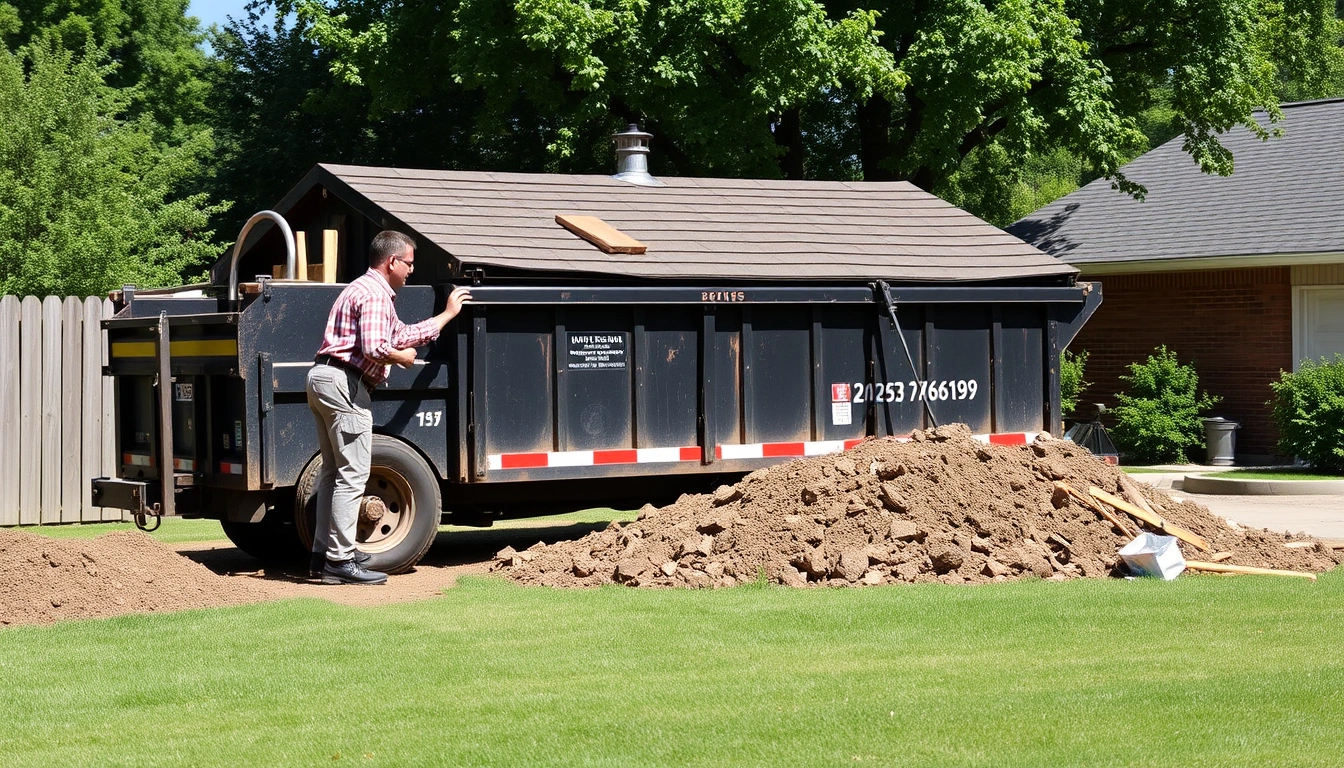
DIY Roof Tear Off Dumpster Homeowner Muskogee: Size, Weight, and Safety in 2026
⏱️ 8 min read · Last updated: 2026
- Architectural shingles weigh 350–450 lbs per square (100 sq ft); 3-tab shingles run 230–250 lbs per square — shingle type, not roof size alone, determines how many tons you need to dispose of.
- A standard 10-yard roll-off dumpster commonly carries a weight limit of 1–2 tons; overage fees in the Muskogee market typically run $50–$100 per additional ton.
- OSHA standard 29 CFR 1926.502 requires fall protection at heights of 6 feet or more on residential construction sites; a roof harness with a ridge anchor is the minimum acceptable setup for DIY shingle removal.
- Safe DIY tear-off pace for a 2-person crew on a standard-pitch roof: 8–15 squares per day, depending on shingle type and whether the roof has multiple layers.
- Recommended minimum crew size for a DIY roof tear-off: 2 people — one on the roof tearing, one on the ground managing debris, preventing overloading, and serving as a safety spotter.
Architectural shingles — the kind installed on most Muskogee homes built after 2000 — weigh close to 400 lbs per square. That is heavier than most people expect when they are standing in a rental yard trying to decide between a 10-yard and a 15-yard roll-off. The typical diy roof tear off dumpster choice for a Muskogee homeowner comes down to one number: how many tons of debris you will generate, not how many squares your roof covers. Get the weight wrong, and you are making a second call to the dumpster company before lunch on day one.
This is the gap that most DIY roofing guides skip over entirely. They tell you to “rent a dumpster” the same way a recipe tells you to “add seasoning.” In 2026, with dumpster overage fees running real money and fall protection requirements more enforced than ever on residential jobsites, the homeowner who gets specific wins. The one who goes in vague pays for it.
Can I do my own roof tear-off and just rent a dumpster in Muskogee?
Yes — and it is one of the more realistic DIY roofing tasks a prepared homeowner can take on. The tear-off itself does not require roofing experience. It requires physical stamina, the right tools, fall protection, and a realistic dumpster plan. What separates the homeowners who pull it off cleanly from those who call a contractor to bail them out mid-project is almost always preparation, not skill level.
In Muskogee, homeowners are permitted to perform their own roofing work on their primary residence in most situations. You do not need a contractor’s license to tear off your own shingles. What you do need is a roofing dumpster rental sized for the actual weight of your debris — not the weight you assume based on roof square footage.
The standard DIY shingle removal toolkit: a roofing shovel (also called a shingle ripper or tear-off fork), a flat bar, work gloves, a magnetic nail sweeper for the ground afterward, and heavy-duty tarps to stage debris before it goes in the dumpster. A wheelbarrow speeds things up significantly if your dumpster is placed at ground level rather than directly adjacent to the drop zone.
Timing matters too. In 2026, Muskogee summers hit triple digits by mid-morning. A smart homeowner starts the tear-off at 6 a.m. and stops by noon. Afternoon heat on a dark asphalt roof is not just uncomfortable — it is genuinely dangerous. Schedule a 3–4 day rental to give yourself flexibility, especially if the weather turns.
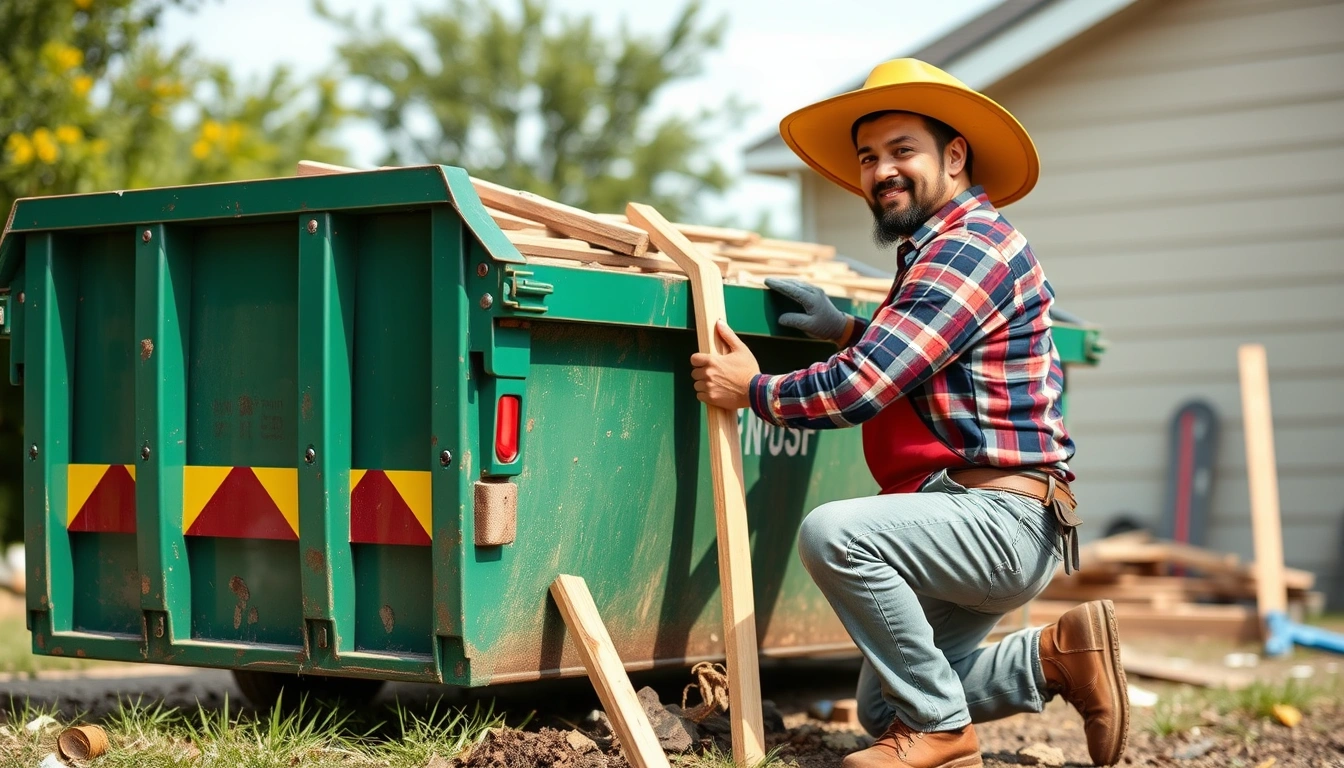
What safety steps do I need before a DIY roof tear-off?
Fall protection is the non-negotiable first step — everything else comes after. OSHA’s fall protection standard (29 CFR 1926.502) requires fall protection at 6 feet or above on residential construction sites. While OSHA primarily governs employer-employee relationships, the physical risk to a homeowner is identical. A fall protection roofing harness attached to a certified ridge anchor is the minimum setup before anyone climbs on a roof with a tear-off shovel.
Here is the specific safety checklist that experienced homeowners use before day one:
- Install a roof anchor (ridge anchor or nail-on anchor) rated for fall arrest before climbing
- Use a Class II or Class III full-body harness with a 6-foot shock-absorbing lanyard
- Inspect all equipment — harness webbing, buckles, and lanyard — for wear or UV degradation
- Establish a clear drop zone below the work area and keep it clear of people at all times
- Wear rubber-soled boots — not sneakers, not flip-flops, not work boots with flat soles
- Have a ground person present at all times; solo roofing is the single most preventable cause of serious DIY roof injuries
- Keep a charged phone accessible, not in a pocket buried under a harness
The National Roofing Contractors Association (NRCA) recommends that any roof work above a 4:12 pitch (4 inches of rise per 12 inches of run) be treated as a significant fall hazard. Most Oklahoma homes fall in the 4:12 to 6:12 range. If your roof is steeper than 6:12, the difficulty of the tear-off and the fall risk both increase substantially — that is the point where most homeowners should honestly reconsider whether DIY makes sense.
The weight math most homeowners get wrong
The most common diy roof tear-off dumpster mistake a Muskogee homeowner makes is calculating dumpster size by square footage instead of by shingle weight. A 1,800 sq ft house does not automatically mean 18 squares of roofing — roof pitch, overhang, and hip-and-valley complexity add to the actual square count. And even when the square count is right, the shingle type changes everything.
Here is the math broken out by shingle type:
- 3-tab asphalt shingles: ~230–250 lbs per square. A 20-square single-layer 3-tab roof generates roughly 2.2–2.5 tons of debris.
- Architectural (dimensional) shingles: ~350–450 lbs per square. A 20-square single-layer architectural roof generates 3.5–4.5 tons of debris.
- Two-layer roof (any type): Roughly double the above figures. A 20-square two-layer architectural roof can easily hit 7–9 tons.
- Wood shakes or cedar shingles: ~350–400 lbs per square dry; significantly heavier if they have absorbed moisture over the years.
A 20-square architectural shingle roof generates 3.5–4.5 tons of debris in a single-layer tear-off — already over the weight limit of most 10-yard roll-off dumpsters before you add underlayment, damaged decking, or flashing.
This is why knowing your what size dumpster for roof tear off Muskogee is the right call before you start, not after you are already half done. The weight limit matters more than the cubic yardage for roofing debris specifically — shingles are dense and heavy relative to their volume.
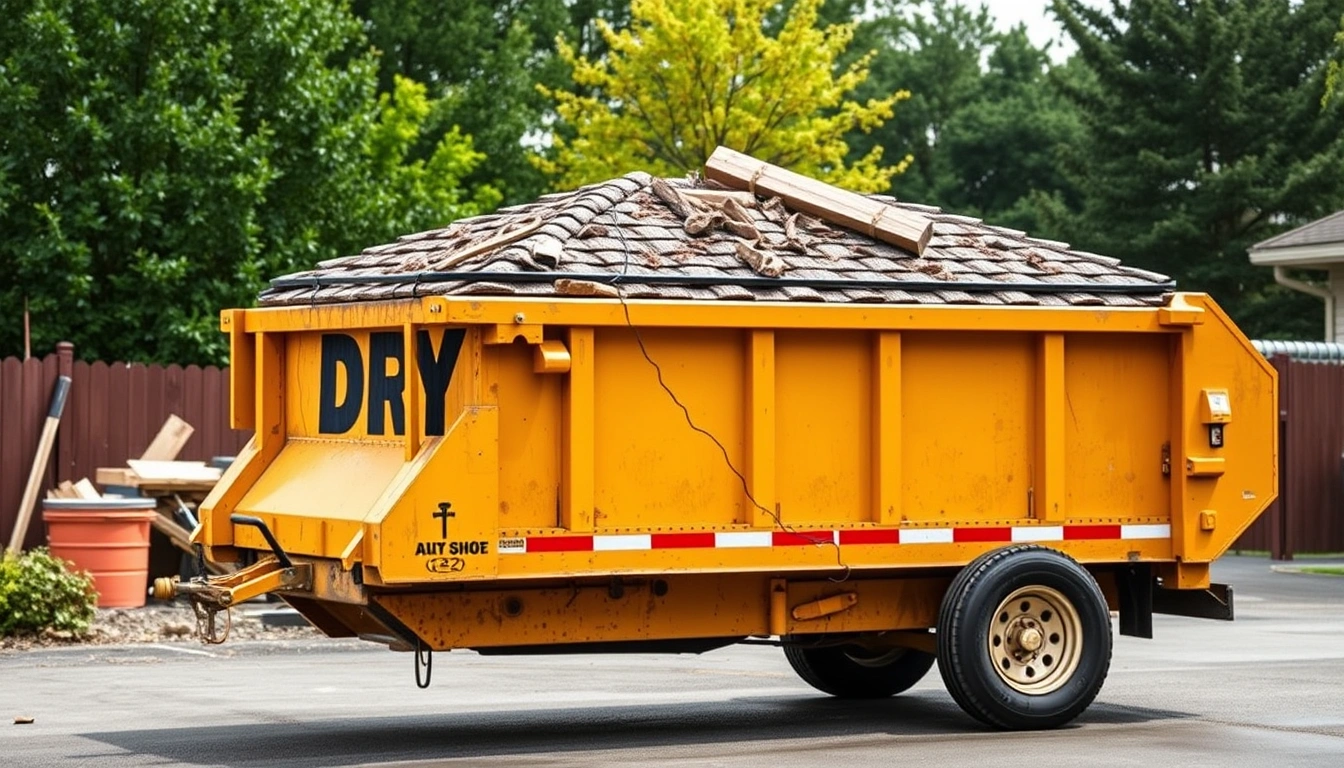
DIY tear-off vs. hiring a roofer — the honest side-by-side
DIY wins on cost. Hired roofers win on speed and liability. Everything else depends on your specific situation — your roof pitch, your physical condition, your timeline, and whether you have a reliable second person to work with. Here is the full comparison:
| Criteria | DIY Tear-Off | Hired Roofer | Advantage |
|---|---|---|---|
| Labor cost (tear-off only) | $0 (your time) | $300–$900 typical for a standard home | DIY |
| Time on site | 1–3 days (2-person crew) | 4–8 hours (4-person crew) | Hired roofer |
| Fall protection responsibility | Yours — harness + anchor required | Contractor’s — their liability | Hired roofer |
| Dumpster arrangement | You arrange and pay separately | Usually included in bid | Hired roofer |
| Risk of deck damage | Moderate — wrong tools cause gouges | Lower with experienced crew | Hired roofer |
| Multi-layer complexity | Harder to estimate; weight adds up fast | Experienced crew adjusts quickly | Hired roofer |
| Project control | Full — you set the pace and schedule | Low — their timeline, not yours | DIY |
| Physical demand | Very high — heavy, hot, repetitive | None for the homeowner | Hired roofer |
| Inspection of deck during tear-off | You see every inch as you go | Contractor assesses and reports | Tie |
Choose DIY if you are physically fit, have a reliable helper, have a low-to-medium pitch roof (4:12 or less), and your primary goal is reducing total project cost. Choose a hired roofer if your roof is steep, you have a two-layer situation, or you do not have a second person who can commit to the full project. Neither if you have a two-story home with a steep pitch and no prior experience working at height — the risk-to-savings ratio does not pencil out.
If your home has had shingles applied over existing shingles, review the specifics for a multiple layer roof tear off dumpster Muskogee situation before you commit to a dumpster size — the weight differential between one layer and two is dramatic and changes your entire rental calculation.
How much can a DIY roof tear-off dumpster save a Muskogee homeowner in 2026?
A realistic DIY roof tear-off dumpster project for a Muskogee homeowner saves $500–$1,500 on the tear-off labor portion of a full roofing job, based on typical Muskogee contractor pricing in 2026. That range depends on your roof size, the number of layers, and whether you have to manage the dumpster cost separately or if a contractor would have bundled it into the overall bid.
The cost breakdown typically looks like this for a DIY homeowner on a 20-square single-layer roof:
- 15-yard roll-off dumpster rental (3–4 day rental): commonly $300–$450 in the Muskogee area
- Roofing shovel, flat bar, and magnetic nail sweeper (if not already owned): $60–$120 at a local hardware store
- Fall protection harness and ridge anchor (if not already owned): $80–$150
- Your time: 8–24 hours across 1–3 days depending on crew size and pace
Total out-of-pocket: roughly $440–$720 in tools and dumpster cost. Contractor tear-off for the same scope in Muskogee commonly runs $800–$1,400 depending on who you hire. The savings are real — but only if you do not pay $100–$200 in overage fees because you undersized the dumpster.
Getting dumpster placement right before the first shingle hits the ground
Where the dumpster sits changes how efficient — and how safe — your entire tear-off is. The best placement is directly adjacent to the drop zone below your work area, close enough that debris hits the dumpster or a tarp staged beside it, not the lawn or driveway 20 feet away. That said, a 10-yard or 15-yard roll-off dumpster is heavy when full — and placing it incorrectly can crack driveway concrete or damage pavers.
For most Muskogee homeowners, the driveway is the default placement option. Concrete driveways generally tolerate a loaded roll-off if the weight is distributed — ask your provider about using plywood sheets under the runners to spread the load. Asphalt driveways in summer heat are more vulnerable; a loaded dumpster sitting in hot sun can leave impressions. Placement in the street requires a permit in most Muskogee neighborhoods — confirm this before delivery day, not after.
A good dumpster provider will walk you through roofing contractor dumpster placement driveway Muskogee options during booking. If they do not bring it up, ask specifically about weight distribution, driveway protection, and whether a street permit is needed for your address. Getting these details sorted before the truck arrives is the difference between a smooth project and a $300 problem you did not see coming.
- Size your dumpster by shingle weight, not roof square footage — architectural shingles at 350–450 lbs per square fill a 10-yard roll-off fast.
- A 2-person crew is the minimum for a safe DIY tear-off; solo roofing increases both fall risk and debris management difficulty significantly.
- Fall protection roofing gear (harness + ridge anchor) is required before anyone steps onto the roof — not optional, not negotiable.
- A two-layer roof roughly doubles your debris weight; always check for multiple layers before ordering a dumpster in Muskogee.
Common questions about DIY roof tear-off dumpster homeowner Muskogee
What is actually involved in a DIY roof tear-off from start to finish?
A DIY roof tear-off involves removing old shingles, underlayment, and any damaged decking using a roofing shovel and flat bar, staging the debris safely, loading it into a roll-off dumpster, and sweeping the area with a magnetic nail picker. On a 1,500–2,000 sq ft home, expect 1–3 days with a 2-person crew.
How do I safely tear off a roof and load a dumpster without injuring myself?
Install a ridge anchor and wear a full-body harness with a 6-foot shock-absorbing lanyard before stepping onto the roof. Keep a ground person on-site at all times. Load debris into a staged tarp or wheelbarrow before transferring to the dumpster — do not throw loose shingles from the roof; it damages the dumpster and creates ground hazards.
Is hiring a roofer to do the tear-off worth it compared to doing it yourself in Muskogee?
DIY tear-off makes financial sense on a single-story, low-pitch roof when you have a reliable helper and basic fitness. Hiring a roofer makes more sense on steep roofs, two-story homes, or when you have a two-layer situation — the speed, experience, and included liability protection narrow the savings gap significantly.
Why is my DIY tear-off overloading the dumpster, and how do I fix it?
The most likely cause is architectural shingles (350–450 lbs per square) on a dumpster rated for 2 tons or less. If you are mid-project, call the dumpster company immediately and ask about a swap or an additional container. Going forward, use the actual shingle weight per square — not square footage — as your dumpster sizing baseline.
How much can a homeowner actually save with a DIY tear-off dumpster in Muskogee in 2026?
Realistically $500–$1,500 on the tear-off labor portion of a full roofing job, after accounting for dumpster rental ($300–$450 for a 15-yard roll-off) and tool costs ($60–$270 if you need to buy a harness and roofing shovel). The savings hold as long as you size the dumpster correctly and avoid overage fees.
What size roll-off dumpster do I need for a single-layer 20-square architectural shingle roof?
A 20-square architectural roof generates roughly 3.5–4.5 tons of debris — above the 2-ton limit on most 10-yard roll-offs. A 15-yard dumpster with a 3-ton or higher weight allowance is the minimum. If your provider’s 15-yard is limited to 2 tons, step up to a 20-yard or confirm that overage tonnage can be added at pickup.
Do I need a permit to rent a dumpster for a DIY roof tear-off in Muskogee?
Placing a dumpster on private property (your driveway) typically does not require a permit in Muskogee. Street placement usually does — check with the City of Muskogee before delivery if the dumpster will not fit on your property. Your dumpster rental company can advise on local requirements during booking.
The bottom line
A DIY roof tear-off with a rented dumpster is one of the most cost-effective things a prepared Muskogee homeowner can do to reduce a full roofing project cost. The math works. But it only works if you get two things right before you swing a shovel: your fall protection is in place, and your dumpster is sized for the actual weight of your debris — not your roof’s square footage.
Start here: count your shingle layers from a gable edge today. One layer of 3-tab means you are probably fine with a 15-yard roll-off at 3 tons. Two layers of architectural shingles means you need a serious weight conversation with your dumpster provider before anything gets scheduled.
For the full picture on sizing, weight limits, and what each roof type actually costs to dispose of, read the complete guide on Roofing & Shingle Tear-Off Dumpster Rental in Muskogee, OK — Weight, Sizes & Cost by Roof Type.
See also: what size dumpster for roof tear off muskogee
See also: multiple layer roof tear off dumpster muskogee
See also: roofing dumpster rental muskogee ok

Leave a Reply