Category: Uncategorized

  • Estate Cleanout Dumpster Rental Muskogee OK: Size Guide

    Estate Cleanout Dumpster Rental Muskogee OK: Size Guide

    “`html

    Estate cleanout dumpster rental Muskogee OK: the size guide that actually maps to your house

    ⏱️ 15 min read · Last updated: 2026

    Quick Answer: For most 3-bedroom, 1,200–1,800 sq ft homes in Muskogee, OK, a 20-yard roll-off dumpster handles a full estate cleanout. Homes over 2,000 sq ft, any house with a packed garage or basement, or a hoarder cleanout in Muskogee require a 30-yard roll-off dumpster. If you’re between sizes, size up — a second delivery costs as much as the original rental.
    Key Facts: estate cleanout dumpster rental Muskogee OK (2026)

    • A 20-yard roll-off dumpster holds roughly 10 full pickup truck loads of material — the right fit for most 3-bedroom estate cleanouts under 1,800 sq ft in Muskogee, OK.
    • Room-by-room debris averages: bedroom = 1–3 cubic yards; kitchen = 2–4 cubic yards; garage = 4–8 cubic yards; basement = 5–12 cubic yards depending on contents.
    • Hoarder cleanouts typically generate 1.5–2x the debris volume of a standard home the same size — a 1,500 sq ft hoarder home in Muskogee commonly needs a 30-yard roll-off dumpster.
    • Oklahoma prohibited disposal items include liquid paint, propane tanks, car tires, and refrigerant-containing appliances without a certified freon-removal tag.
    • Mattress disposal at Oklahoma facilities typically carries a surcharge of $15–$25 per unit; refrigerant appliances such as refrigerators and window AC units commonly require an additional $20–$50 certified disposal fee.

    Forty cubic yards of accumulated life — that’s what a typical three-bedroom Muskogee home holds when a family finally starts sorting through an estate. Most people planning estate cleanout dumpster rental in Muskogee, OK order a 20-yard roll-off based on a rough guess and discover on day three that they needed a 30. The second delivery fee hits just as hard as the first, and the closing deadline doesn’t move.

    I’ve walked through dozens of estate cleanouts. The families who get the dumpster size right don’t guess — they do a room count and run the cubic yard math before they call anyone. That difference between a right-sized container and a wrong-sized one isn’t just money; it’s the difference between finishing in four days and nine.

    There’s also a local dimension that generic national advice skips entirely. Oklahoma’s prohibited items rules apply to every roll-off in Muskogee, OK, and tossing the wrong things into a dumpster doesn’t just create a hassle — it can result in a rejected load fee or a fine. This guide maps house size to dumpster size with actual numbers, covers Muskogee County landfill rules you need to know before loading day, and walks through a step-by-step workflow you can start today.

    What size dumpster do I need to clean out an entire estate house in Muskogee?

    For a standard 3-bedroom, 1,200–1,800 sq ft home in Muskogee, OK, a 20-yard roll-off dumpster is the right call in most cases. If the home is larger than 2,000 square feet, includes a full garage, has a basement with decades of storage, or involves a hoarder cleanout, move up to a 30-yard roll-off dumpster — that extra 10 cubic yards buys a meaningful margin of error.

    The most common mistake is ordering by bedroom count alone. A three-bedroom house sounds simple until you account for a garage stacked floor to ceiling with tools, a spare bedroom that doubled as storage for 20 years, or an outdoor workshop nobody touched since 2008. Those spaces add 4–8 cubic yards of whole house debris on their own.

    House size Typical debris volume Recommended dumpster When to size up
    Under 1,000 sq ft (1–2 BR) 6–12 cubic yards 10–15 yard roll-off Storage shed or detached garage also being cleared
    1,000–1,800 sq ft (3 BR) 12–22 cubic yards 20-yard roll-off dumpster Full garage included or home was heavily furnished
    1,800–2,500 sq ft (3–4 BR) 20–30 cubic yards 20–30 yard roll-off dumpster Basement present, workshop, or outbuildings
    2,500+ sq ft or hoarder home 28–50+ cubic yards 30-yard roll-off dumpster (may need 2 loads) Any home where paths through rooms are narrow

    A 20-yard roll-off dumpster holds approximately 10 full pickup truck loads of debris — enough for a standard 3-bedroom Muskogee estate cleanout, but not enough for the same house if it includes a full two-car garage.

    If you’re on the fence between a 20-yard and a 30-yard roll-off dumpster, the math almost always tilts toward the 30. The cost difference is typically modest. Before booking, it’s worth understanding what affects the total bill — including weight limits and debris type — by reviewing dumpster rental cost Muskogee OK so there are no surprises on the final invoice.

    Quick check: Count the rooms being fully cleared — not just tidied. Multiply each bedroom by 2, each living space by 3, each garage or basement by 6. If that total exceeds 20, start with a 30-yard roll-off dumpster.
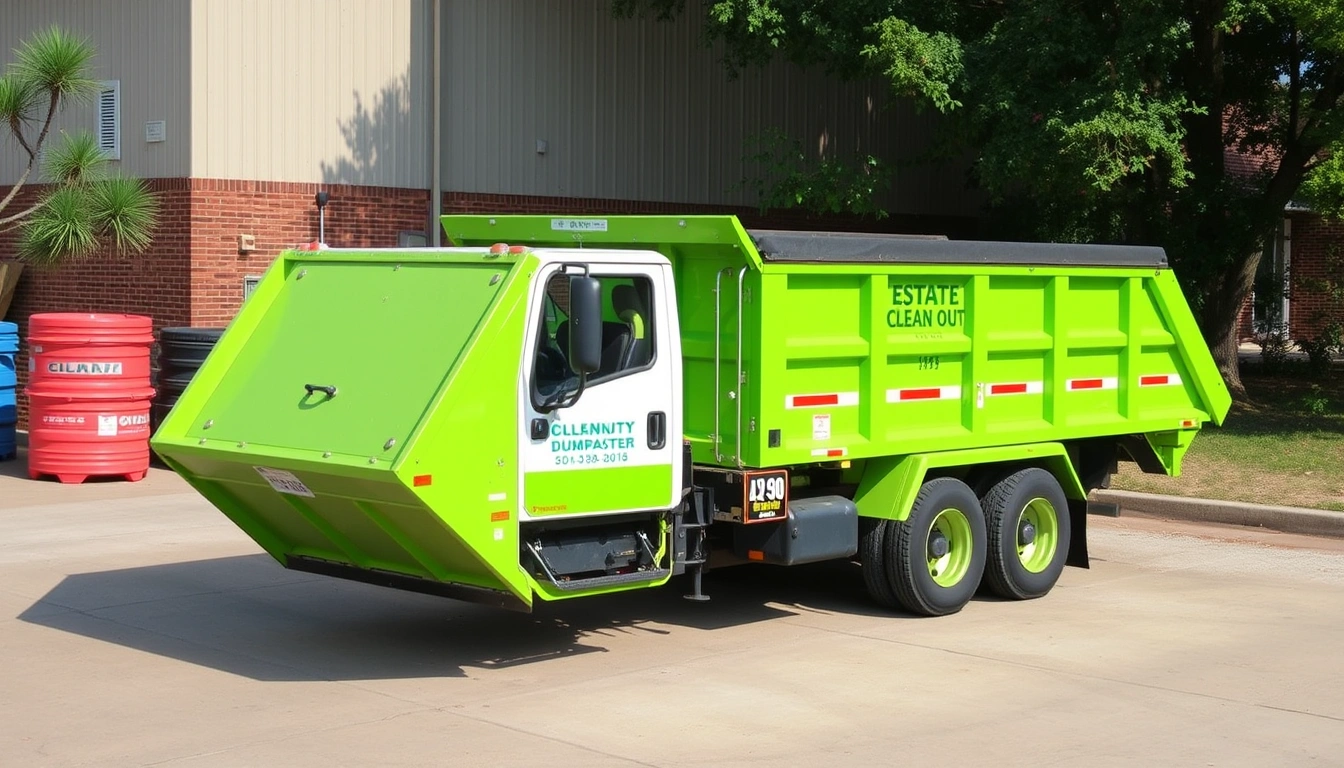
    estate cleanout dumpster rental muskogee ok

    The room-by-room volume math that most national sites skip

    National dumpster rental pages give you a chart that matches bedroom count to container size. What they skip is the math underneath — and the math is where the surprises live. Every room has a different debris density, and the outliers (garage, basement, workshop) can easily double a family’s original estimate.

    💡 Pro Tip: Before calling a dumpster company, walk through the home with a notepad and mark each room you’re clearing entirely vs. partially. Partial-clearance rooms generate about 30–50% of the volume of a full clearance — factor that in before you commit to a size.

    Per-room cubic yard estimates

    These are working estimates based on typical household contents, not architectural square footage. A lightly furnished room and a room that hasn’t been touched in two decades will land at opposite ends of each range.

    • Bedroom (average furnishings): 1–3 cubic yards. A fully furnished room with a bed, dresser, nightstands, and closet contents lands around 2–3. A sparse bedroom or one that’s already been partially emptied runs 1–1.5.
    • Kitchen: 2–4 cubic yards. Cabinets full of decades-old small appliances, cookware, and pantry goods push this toward 4. A modern, lightly stocked kitchen is closer to 2.
    • Living room or family room: 2–4 cubic yards. Upholstered furniture — sofas, loveseats, recliners — is bulky relative to its weight. A single sectional sofa takes up close to 2 cubic yards on its own.
    • Bathroom: 0.5–1.5 cubic yards. Unless fixtures are being removed, bathrooms are mostly small items — medicine cabinet contents, towels, small furniture. Fast to clear, low volume.
    • Garage (standard 2-car): 4–8 cubic yards. This is where estimates most often go wrong. A garage housing tools, lawn equipment, seasonal storage, and household overflow runs closer to 8. An organized, lightly stocked garage runs 4.
    • Basement or storm cellar: 5–12 cubic yards. Basements in Muskogee-area homes often serve as long-term storage for items moved there and forgotten. A basement untouched for a decade can easily yield 10–12 cubic yards of whole house debris.
    • Shed or outbuilding: 2–6 cubic yards. Garden tools and a few boxes run 2. A workshop stuffed with power tools, lumber scraps, and old furniture runs 5–6.

    Run the actual math before you book. A typical 3-bedroom, 1,400 sq ft Muskogee home — three bedrooms (6 cy total), one living room (3 cy), one kitchen (3 cy), two bathrooms (2 cy), one full garage (6 cy) — totals roughly 20 cubic yards. That’s precisely at the limit of a 20-yard roll-off dumpster, with no buffer. Add a basement, a densely packed garage, or a secondary storage space and you’ve crossed into 30-yard territory.

    ⚠️ Avoid This Mistake: Don’t assume large furniture items mean large volume. A king-size mattress is bulky but only takes about 0.3 cubic yards of dumpster space. What actually consumes volume fast is small, loose debris — boxes of books, bags of clothing, kitchen goods — because these items don’t stack or compress efficiently. Load large flat items first, then fill around them with loose material.

    Quick check: If your room-by-room total lands within 2 cubic yards of a dumpster’s rated capacity, size up. The cost difference between a 20-yard and a 30-yard roll-off is consistently lower than a second delivery fee.

    How do I plan a full home cleanout with a dumpster in Muskogee, OK?

    A full home cleanout with a dumpster in Muskogee, OK takes 3–7 days for most families, depending on house size, crew size, and how much pre-sorting happens before disposal. The sequence below is what actually works — not because it’s obvious, but because doing steps out of order reliably adds days to the timeline and dollars to the cost.

    1. Day 1 — Walk the property and mark everything before moving anything. Go through every room with colored tape or sticky notes. Mark items keep, donate, or toss. Don’t move anything yet. This single step prevents the most expensive cleanout mistake: moving items twice because the decision wasn’t made before the action.
    2. Day 2 — Book the dumpster and confirm the drop location. Schedule your dumpster rental Muskogee OK for Day 3 delivery. Confirm the placement spot — typically the driveway. Check whether the surface can support a roll-off truck (packed gravel and concrete are fine; soft soil may need plywood boards underneath to prevent ground damage). Most Muskogee, OK providers need 24–48 hours advance notice.
    3. Day 2 afternoon — Run the donation load before the dumpster arrives. Load donation items — furniture in good condition, clothing, housewares — and drive them to Goodwill, the Salvation Army, or a local charity in the Muskogee area. Every cubic yard you donate is a cubic yard that doesn’t go in the roll-off. Donating first shrinks your required dumpster size and may reduce your overall cost.
    4. Day 3 — Dumpster arrives; load large items first. Put furniture, appliances, and mattresses in before anything else. Most families sort small items first and save the bulky pieces for last, but loading order matters — large flat items form the base layer that smaller debris fills around. Appliances with refrigerants need to be staged separately until they’ve been certified (see the prohibited items section below).
    5. Days 3–4 — Clear one room completely before starting the next. Work room to room, not item to item. Finishing one room before moving to the next lets you track your volume against the room-by-room estimate and catch early signs that you’re running over capacity.
    6. Days 4–5 — Handle hazardous and prohibited items separately. Set aside paint cans, propane tanks, automotive fluids, and batteries for separate disposal. These cannot go in the roll-off dumpster. Most Muskogee-area hardware stores accept latex paint for recycling once it’s dried solid, and the Oklahoma Department of Environmental Quality runs periodic household hazardous waste collection events. Check Oklahoma DEQ’s solid waste resources for current disposal options in the Muskogee area before your start date.
    7. Day 5–6 — Final sweep and schedule pickup. Walk every room a second time. Call for dumpster pickup — most Muskogee rental providers offer flexible pickup windows. Confirm whether the company charges daily overage fees past the rental period or works on a flat term.

    The biggest time-waster in an estate cleanout isn’t physical — it’s decision fatigue. Families that pre-sort before the dumpster arrives typically finish 40% faster than those who decide item by item at the container.

    If this estate cleanout is tied to a probate closing or a property sale, build in at least one buffer day. Buried documents, items requiring appraisal, and unexpected structural issues surface during cleanouts with reliable frequency. They add a day to the timeline, and a closing date doesn’t flex.

    Quick check: Count backward from your hard deadline. You need Day 1 (sort) + Day 2 (donations + booking) + Days 3–5 (fill) + Day 6 (pickup) = at minimum 6 days from start to finish. Any tighter and you’re cutting close.
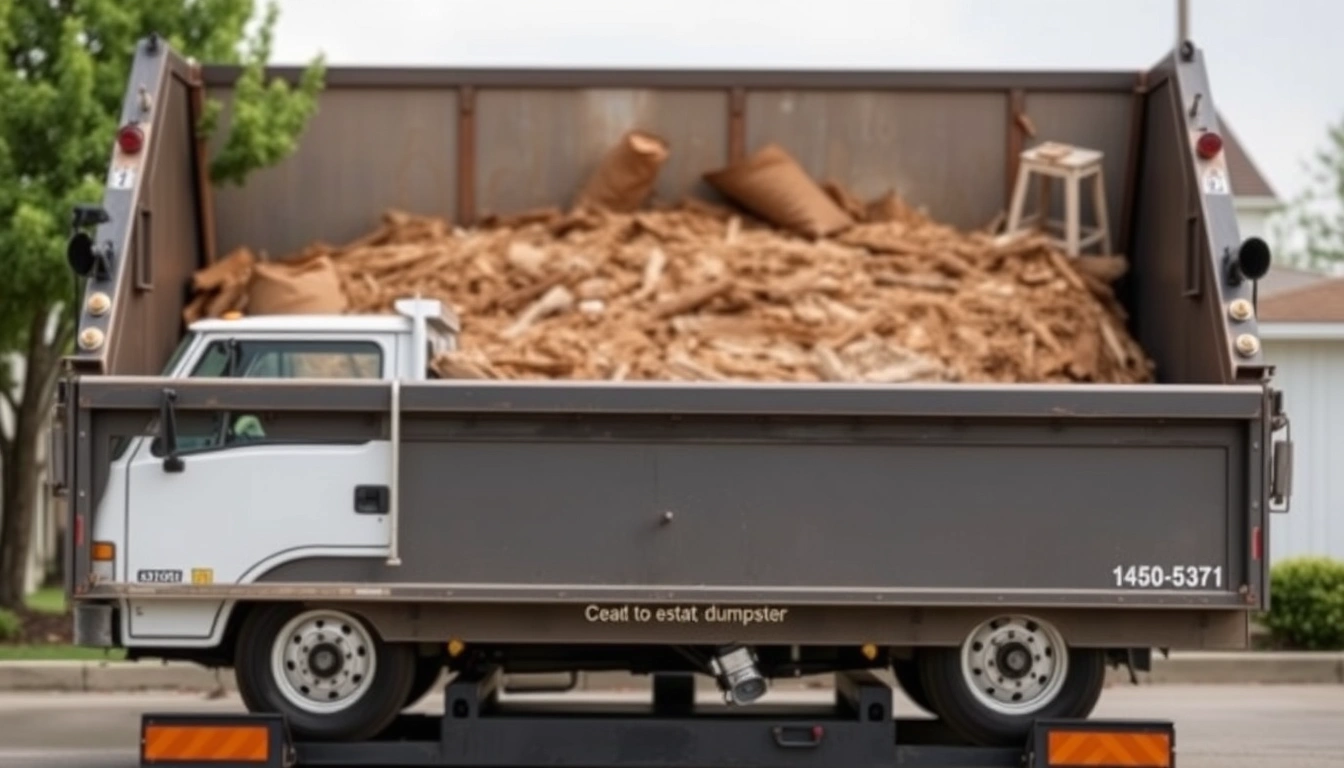
    estate cleanout dumpster rental muskogee ok

    What Muskogee County landfill rules mean for your cleanout

    Oklahoma prohibited disposal items apply to every roll-off dumpster in Muskogee, OK — including rental units hauled by private companies. If prohibited items are found in a load at the disposal facility, the entire load can be rejected or a contamination fee charged, and that cost gets passed directly back to you. Knowing the list before you fill is not a precaution; it’s how you avoid a $150–$300 surprise on the back end.

    Prohibited items in Muskogee County roll-off dumpsters

    • Liquid paint. Latex paint is prohibited in liquid form at Oklahoma solid waste facilities. Dry it out first: leave the lid off, add cat litter or commercial paint hardener, and let it solidify completely. Dried latex paint is accepted as regular solid waste. Oil-based paint is hazardous waste and must be handled separately regardless of its state.
    • Propane tanks. Even visually empty propane tanks — grill-sized or larger — are prohibited in roll-off dumpsters. Many hardware stores and propane distributors in the Muskogee, OK area accept them for exchange or disposal.
    • Car and truck tires. Tires are banned from standard landfill disposal across Oklahoma. Most tire retailers and auto shops accept old tires for a fee, commonly $3–$5 per tire.
    • Refrigerant-containing appliances. Refrigerators, freezers, air conditioners, and dehumidifiers contain refrigerants regulated under EPA Section 608. These appliances must have refrigerant professionally recovered and documented before disposal. Per EPA household hazardous waste guidelines, improper refrigerant release is a federal violation — not a fine-print technicality. Many appliance retailers and scrap metal dealers in the Muskogee area handle this. Confirm the appliance has been tagged as “refrigerant removed” before it goes in the dumpster.
    • Rechargeable batteries. Lithium-ion and lead-acid batteries are hazardous waste. Batteries from power tools, laptops, and phones must go to a battery recycling drop-off. Most electronics retailers and auto parts stores in the Muskogee area accept them at no charge.
    • Household hazardous waste. Pesticides, herbicides, pool chemicals, motor oil, and automotive fluids are prohibited. The Oklahoma DEQ provides collection events and facilities for household hazardous waste — check their schedule before your cleanout start date.
    • Medical waste and sharps. If the estate includes someone who used injectable medications, handle syringes and lancets as regulated medical waste. Many Muskogee-area pharmacies offer sharps disposal containers at little or no cost.

    Appliance and mattress disposal fees

    Even when items are accepted, many facilities and rental companies in Muskogee, OK charge extra for specific categories. Mattress disposal at Oklahoma facilities commonly runs $15–$25 per mattress. Refrigerant-certified appliances typically carry an additional $20–$50 disposal fee for the certified freon-removal documentation. These charges often don’t appear in the base rental quote — ask for them explicitly before you book.

    📊 Did You Know: Oklahoma has one of the more active household hazardous waste programs in the region. The Oklahoma DEQ runs periodic collection events across the state — including the Muskogee area — where residents can drop off paint, chemicals, and electronics for free or low cost. Check deq.ok.gov before your cleanout start date. One trip can eliminate a specialty disposal fee entirely.

    Quick check: Before the dumpster arrives, spend 30 minutes walking the property with the prohibited items list above. Pull anything on the list and stage it in a separate area. One pre-sort pass prevents a rejected load fee that costs more than an hour of your time.

    Donation vs. disposal: the decision that shrinks your dumpster bill

    Donating before disposing is both a practical and financial decision. Every cubic yard that leaves the property as a donation is a cubic yard that doesn’t go into the roll-off. On a 20-yard cleanout, redirecting 3–5 cubic yards to donation can mean the difference between one dumpster load and two — a cost difference that often runs $300–$500 in Muskogee, OK.

    What charities accept and what they don’t

    Charitable organizations in the Muskogee area — Goodwill, Salvation Army, and local thrift stores — generally accept furniture in functional condition, clean clothing and linens, working small appliances, books, and décor in reasonable shape. What they consistently refuse: mattresses (most locations), visibly damaged or stained upholstery, large appliances, electronics older than 5–7 years, and broken or incomplete items.

    Item Donate if Dispose if
    Sofas and upholstered chairs Clean, no tears, no odor Stained, pet odor, torn fabric
    Mattresses Rarely accepted by most charities Dispose; expect $15–$25 surcharge
    Clothing and linens Clean, no significant damage Heavily soiled, torn, or moldy
    Refrigerators and freezers Working, recent model — call ahead Non-working; requires freon certification first
    Books Always — libraries also accept donations Water-damaged or mold-affected
    Tools and hardware Working condition; Habitat ReStore accepts Rusted, broken, or incomplete sets
    Building materials Unused or lightly used — Habitat ReStore Damaged, moldy, or mixed scraps

    Habitat for Humanity ReStore locations accept building materials, appliances, and furniture that most standard charities won’t touch. If the estate cleanout includes building materials alongside household goods — flooring, cabinets, doors — a ReStore drop-off is worth the trip before the dumpster arrives.

    💡 Pro Tip: Facebook Marketplace and Nextdoor in the Muskogee, OK area move furniture fast when priced at zero. Post items as “free, must pick up” two days before the dumpster arrives. Families routinely clear 2–5 pieces of furniture this way without loading or transporting anything themselves.

    Estate sale leftover removal is a different scenario

    If a professional estate sale ran before the cleanout, the unsold items are what didn’t move even at rock-bottom prices. This is deceptive: the house looks emptier, but what remains tends to be the most awkward, lowest-value, highest-volume pieces buyers passed over. Charities often decline post-sale leftovers for the same reason buyers did. Budget estate sale leftover removal directly into the roll-off rather than making additional donation trips that may not pan out.

    Quick check: If your donation run requires more than one vehicle trip and more than two hours, you’re at the point where it’s competing with your dumpster-fill timeline. Prioritize items charities will definitely accept — clean furniture and clothing — and put the borderline items straight into the roll-off.

    When you’re dealing with a hoarder cleanout in Muskogee — the playbook changes

    A hoarder cleanout in Muskogee is a categorically different project from a standard estate cleanout, and treating it the same way is the primary reason families end up paying for a second or third dumpster load. The volume calculation changes, the sorting takes longer, and the likelihood of finding prohibited items buried in the debris is significantly higher than in a standard home.

    The volume multiplier

    Hoarder homes typically generate 1.5–2x the debris volume of a standard home of the same square footage. A 1,500 sq ft hoarder home that would be an 18 cubic yard cleanout under normal circumstances routinely yields 28–32 cubic yards once pathways are cleared and stacked materials are broken down. Start with a 30-yard roll-off dumpster for any hoarder cleanout in Muskogee, regardless of the home’s square footage.

    The reason isn’t just raw quantity — it’s density. Hoarder homes contain enormous numbers of small, loose items that don’t stack efficiently in a roll-off. Bags of clothing, boxes of unsorted papers, collections of small objects — these fill cubic yards quickly but weigh relatively little per unit of space. You’ll commonly hit the volume limit before you hit the weight limit in a hoarder cleanout, which means size matters more than weight capacity here.

    Hidden prohibited items in hoarder homes

    Hoarder cleanouts in Muskogee are far more likely to contain hidden prohibited items: old paint cans buried under layers of other material, forgotten automotive chemicals, stockpiled propane tanks, expired medications, and occasionally sharps. Build a specific search sweep for prohibited items into your plan before the dumpster arrives — a single pass at the end is not enough when items are layered three feet deep.

    If you find signs of pest infestation, mold growth, or biological contamination on materials, set those items aside rather than loading them. Some materials under those conditions may require handling as regulated waste rather than general solid waste. This scenario is uncommon, but it’s more common in hoarder cleanouts than anywhere else.

    ⚠️ Avoid This Mistake:{“@context”: “https://schema.org”, “@graph”: [{“@type”: “Organization”, “name”: “MuskogeeDumpsterRental.com”, “url”: “https://MuskogeeDumpsterRental.com”, “knowsAbout”: “Estate & Home Cleanout Dumpster Rental in Muskogee, OK — Sizes, Planning & What Not to Toss”}, {“@type”: “Article”, “headline”: “Estate Cleanout Dumpster Rental Muskogee OK: Size Guide”, “description”: “Estate cleanout dumpster rental Muskogee OK: match your house size to the right roll-off, avoid prohibited items, and schedule your cleanout today.”, “datePublished”: “2026-07-11T05:28:06.636957”, “dateModified”: “2026-07-11T05:28:06.636957”, “mainEntityOfPage”: {“@type”: “WebPage”, “@id”: “https://MuskogeeDumpsterRental.com”}, “author”: {“@type”: “Organization”, “name”: “MuskogeeDumpsterRental.com”}, “publisher”: {“@type”: “Organization”, “name”: “MuskogeeDumpsterRental.com”, “url”: “https://MuskogeeDumpsterRental.com”}}, {“@type”: “BreadcrumbList”, “itemListElement”: [{“@type”: “ListItem”, “position”: 1, “name”: “Home”, “item”: “https://MuskogeeDumpsterRental.com”}, {“@type”: “ListItem”, “position”: 2, “name”: “Estate & Home Cleanout Dumpster Rental in Muskogee, OK — Sizes, Planning & What Not to Toss”}, {“@type”: “ListItem”, “position”: 3, “name”: “Estate Cleanout Dumpster Rental Muskogee OK: Size Guide”}]}]}

    See also: dumpster rental Muskogee OK

    See also: construction dumpster rental Muskogee OK

    See also: roofing dumpster rental muskogee ok

  • What can you put in roofing dumpster Muskogee: full list

    What can you put in roofing dumpster Muskogee: full list

    What can you put in roofing dumpster Muskogee: accepted materials and banned list

    ⏱️ 9 min read · Last updated: 2026

    Quick Answer: A Muskogee roofing dumpster accepts asphalt shingles, underlayment, flashing, ridge caps, drip edge, roof decking (OSB or plywood), metal vent caps, and gutters from the same project. Prohibited items include asbestos-containing materials, household trash, paint, solvents, propane canisters, batteries, electronics, and tires. Mixing general trash with roofing debris at the Muskogee County landfill typically triggers a $75–$150 contamination surcharge and can result in full load rejection.
    Key Facts: what can you put in roofing dumpster Muskogee (2026)

    • Asphalt shingles, underlayment, and flashing are accepted as C&D (construction and demolition) debris in all standard Muskogee roofing dumpsters — no pre-sorting among roofing materials required.
    • Homes built or re-roofed before 1980 may have asbestos shingles; licensed abatement in Oklahoma typically costs $1,500–$3,000 for a residential roof — these materials cannot enter a standard dumpster under any circumstances.
    • Mixed load restrictions apply: roofing debris combined with household trash triggers contamination fees of $75–$150 at the Muskogee County landfill and can cause full load rejection.
    • A typical 1,500 sq ft roof tearoff generates 15 roofing squares at 235–350 lbs each — roughly 3,500–5,250 lbs of shingles alone, often exceeding a standard 10-yard dumpster’s 2-ton weight cap.
    • Prohibited items list: asbestos materials, paint or solvents, propane tanks, tires, batteries, electronics, satellite dishes, and general household waste.

    The dumpster showed up Monday morning, and by noon the roofing crew had loaded three squares of old asphalt shingles — then someone tossed in a bag of household trash and a half-empty bucket of roof cement. That one decision cost $125 at the Muskogee County landfill and held up the project half a day, which is exactly why knowing what can you put in roofing dumpster Muskogee jobs comes before the first shingle comes down. The rules are specific, and they’re not where most crews assume them to be.

    Most articles on this topic say “roofing materials only” and stop there. That’s not useful when you’re standing on a job site deciding whether the old chimney flashing counts, or whether a rotted decking board goes in the same bin as the shingles. The line between accepted and prohibited dumpster items is drawn at specific material types — not just a broad “roofing vs. everything else” divide.

    Data on muskogee roofing debris statistics dumpster patterns makes one thing consistent: contamination rejections spike when crews don’t sort before loading. The cost isn’t just the surcharge — it’s the delay while the dumpster sits on-site waiting for the landfill to process the disputed load.

    What actually goes in a Muskogee roofing dumpster

    A standard roofing dumpster in Muskogee accepts clean construction and demolition debris generated by a roofing project — and that definition is broader than most homeowners expect. The following materials are accepted as C&D waste and can go directly into the container without pre-separation.

    • Asphalt shingles — three-tab, architectural, and impact-resistant
    • Underlayment — felt paper, synthetic, and peel-and-stick ice-and-water shield
    • Flashing — step flashing, valley flashing, pipe boot flashing, and chimney flashing
    • Drip edge and rake edge metal
    • Ridge caps and hip shingles
    • Roofing nails and staples embedded in shingles — no removal required
    • Damaged or rotted roof decking (OSB or plywood) replaced as part of the same project
    • Metal vent caps and roof vents
    • Gutters and downspouts (metal or aluminum) removed during the roofing project
    • Wood shakes and cedar shingles, provided they are not pressure-treated with chemical preservatives

    One detail worth knowing: roofing nails embedded in shingles are fine. Loose nails or hardware dumped separately in large quantities can be flagged as scrap metal and may need to go to a separate metal-recycling facility rather than the C&D stream.

    A standard tearoff on a 1,500 sq ft home produces roughly 15 roofing squares — which at 235–350 lbs per square amounts to 3,500–5,250 lbs of shingles alone, before underlayment and decking. On most roof jobs, weight is the binding constraint, not volume.

    If you’re booking a roofing dumpster rental muskogee ok, confirm the weight limit before any material is loaded. A 10-yard dumpster typically caps at 2 tons (4,000 lbs). A full tearoff on a larger home — especially one with two layers of old architectural shingles — can exceed that cap before the container is even half full. Fifteen- and 20-yard containers with 3–4 ton limits are the more common choice for full replacements.

    💡 Pro Tip: Tell your rental company the roof’s square footage and the number of shingle layers being removed before booking. Two layers of old three-tab shingles over a 2,000 sq ft roof can exceed 3 tons on their own — the right container size up front costs far less than overage fees discovered at pickup.

    Quick check: If the material came off the roof during this specific project, it almost certainly goes in the dumpster. If it came from the garage, a different part of the property, or the interior of the house — it almost certainly does not.

    what can you put in roofing dumpster muskogee

    What roofing materials are banned from a Muskogee dumpster?

    Prohibited dumpster items in a Muskogee roofing container fall into two distinct categories: universally hazardous materials that require special disposal regardless of the project type, and non-roofing debris that simply doesn’t belong in a C&D-designated container.

    Universally prohibited — no exceptions:

    • Asbestos-containing materials — shingles from homes built before 1980 may contain asbestos fibers and cannot be landfilled without testing and, if positive, licensed abatement. EPA regulations under NESHAP govern all asbestos demolition and renovation activities, including residential reroofing.
    • Roofing cement or tar in sealed buckets or large volumes — trace residue on shingles is generally fine; discrete containers of adhesives are not
    • Propane or gas canisters (roofing torches, nail gun fuel)
    • Spray foam insulation canisters
    • Paint, solvents, and mineral spirits
    • Batteries — including cordless tool batteries left on the roof staging area
    • Electronics and electrical wiring
    • Tires

    Materials that require a separate container:

    • Household trash and food waste
    • Concrete, brick, or masonry — weight-dense enough to blow past any dumpster’s weight limit in small quantities
    • Yard waste and tree trimmings
    • Furniture or appliances
    • HVAC equipment containing refrigerants

    The asbestos issue carries the most serious consequence. Roofing materials manufactured before 1980 — particularly flat or low-slope products — may contain chrysotile asbestos fibers used as a reinforcing agent. OSHA standards 1926.1101 classify this as a hazardous material requiring licensed handling. Testing costs $25–$75 per sample; abatement for a standard residential roof in Oklahoma typically runs $1,500–$3,000 based on industry ranges reported by environmental contractors in the region. That’s a hard minimum — not a negotiable line item.

    ⚠️ Avoid This Mistake: Don’t assume pre-1980 shingles are asbestos-free because they look like standard asphalt. Many mid-century asphalt products contained asbestos as a standard ingredient. If the home was built or re-roofed before 1980, test before you tear — not after.

    Quick check: Run through the prohibited list before anything goes in the container. If it’s on that list, it needs a separate disposal path. If it didn’t come off the roof, it needs a different container entirely.

    Can I mix roofing debris and general trash in the same dumpster in Muskogee?

    No — and the financial consequence is specific. Mixing household trash with roofing debris in a Muskogee roofing dumpster typically triggers a contamination fee of $75–$150, and when the mix is severe, the Muskogee County landfill can reject the entire load outright. Mixed load restrictions exist because roofing debris and general waste are processed as two entirely separate waste streams.

    Here’s what rejection actually costs beyond the fee: the dumpster can’t be emptied on its normal schedule. It sits on your property or job site longer, and you may owe additional daily rental charges while the dispute gets resolved. On active job sites with a crew waiting, that delay affects the entire project timeline — not just the debris removal.

    The roofing debris rules at the Muskogee County landfill treat asphalt shingles as a C&D material with specific tipping fees and a defined handling process. Household trash goes through a different stream with different equipment, fees, and regulations. When they’re mixed, the landfill can’t run either stream efficiently — so they charge for manual sorting or refuse the load.

    The most common contamination isn’t intentional dumping — it’s small items: a soda bottle left in the gutters, a work glove, a half-full bucket of roof tar. Brief the crew before loading starts, not after the first layer goes in.

    If your project produces both roofing debris and general construction waste, book two separate containers. The roofing dumpster rental cost muskogee for a dedicated roofing container is generally lower than a general-purpose roll-off — because roofing debris is a predictable, clean waste stream that landfills can price accurately. Mixing adds unpredictability and cost on both ends.

    📊 Did You Know: Old asphalt shingles are one of the most recycled construction materials in the U.S. — ground-up shingles are reused as aggregate in road asphalt. Contaminated loads disrupt that recycling chain entirely, which is one reason Muskogee County landfill staff inspect loads more carefully than homeowners often expect.

    Quick check: If anything non-roofing needs disposal during the same project, book a second general-purpose container or arrange separate curbside bulk pickup — before it accidentally ends up in the roofing container.

    what can you put in roofing dumpster muskogee

    How to sort your load before the dumpster arrives

    Sorting takes about 20 minutes of planning and saves hours of remediation. Run through these steps before the dumpster is delivered, not after it’s already on-site.

    1. Identify the home’s build date first. If built or re-roofed before 1980, treat all shingles as potentially asbestos-containing until tested. Most environmental testing services in the Muskogee area return results within 48–72 hours. Order the test before scheduling the dumpster.
    2. Walk the full job site and pull prohibited items. Remove all paint cans, propane canisters, spray foam containers, batteries, and any electronics from the roof staging area before the first load goes in. Stage them on a separate tarp with a clear “do not load” label.
    3. Evaluate heavy materials separately. If the project includes chimney demolition, concrete tiles, or clay tiles, confirm with your rental provider whether those materials fit within the weight limit or require a separate heavy debris container. Clay and concrete tiles can hit a dumpster’s weight cap with surprisingly small volume.
    4. Brief the crew before loading begins. Contamination that causes landfill rejection is almost always crew error, not intentional dumping. Tape a short two-column “YES / NO” list to the side of the container where everyone can see it.
    5. Stage non-roofing debris in a separate zone. Designate a tarp or pile for anything going to a general dumpster, curbside pickup, or hazmat disposal — before it has any chance of mixing with roofing material.
    6. Monitor weight as the load builds. If you’re loading a 10-yard container with two full layers of heavy architectural shingles, you may hit the weight limit before you come close to volume capacity. Call your provider early if you suspect the load is running heavy — mid-job adjustments are far cheaper than overage fees at pickup.

    Planning where to place the container also matters from a load management standpoint. Details on roofing contractor dumpster placement driveway muskogee logistics — including setback requirements and surface protection — affect how efficiently the crew can load without creating uneven weight distribution in the container.

    When the standard advice breaks down: six edge cases

    Most roofing debris rules work cleanly for a straightforward shingle tearoff. These are the six situations where the standard guidance stops being reliable — and what to do instead.

    Old skylights

    A skylight removed during reroofing seems like roofing debris — but the glazing, sealants, and multi-material frame may push it into mixed-material territory. Most providers accept skylights only if the glass has been removed and only the metal frame remains. Full intact skylight units should be confirmed with your rental provider before loading. If the unit is still functional, salvage is worth considering before landfilling.

    Solar panels and roof-mounted racking

    Solar panels removed to access the roof deck for replacement are electronics. They contain lead, cadmium, and other hazardous materials that disqualify them from any standard C&D container. Contact the panel manufacturer for a take-back program or use a certified e-waste recycler. This catches solar homeowners off guard in 2026 more than any other edge case.

    Chimney brick and mortar

    If chimney sections come down during the roofing project, that masonry is heavy and dense — not comparable to shingle debris. A 10-yard container can hit its 2-ton weight limit with just 15–20 square feet of brick. Book a separate concrete and masonry container if significant chimney demo is involved, or confirm mixed-weight pricing with your provider in advance.

    Mold-contaminated sheathing

    Rotted decking boards are standard roofing debris. But if widespread visible mold growth is present — particularly after storm damage or a long-term slow leak — some landfills require separate handling or pre-treatment before disposal. Contact the Muskogee County landfill directly before loading heavily mold-affected materials; the answer varies by volume and severity.

    Satellite dishes and roof-mounted antennas

    Electronics — prohibited from the roofing dumpster regardless of where they were mounted. Remove them before loading begins and arrange e-waste recycling separately. Most satellite providers will collect old dishes at no charge if scheduled through their service line.

    Pre-2004 pressure-treated lumber

    Older pressure-treated fascia boards, rake boards, or decking contain chromated copper arsenate (CCA), classified as hazardous waste in most jurisdictions. If the boards being replaced are visibly old pressure-treated lumber from pre-2004 construction, they need to go through a hazardous waste facility — not the standard landfill C&D stream. Do not burn them; burning CCA lumber releases toxic arsenic compounds.

    Material Accepted in roofing dumpster? If no — correct disposal path
    Asphalt shingles (post-1980) Yes
    Asphalt shingles (pre-1980, untested) No — test first Asbestos sample test; licensed abatement if positive
    Underlayment (felt or synthetic) Yes
    Flashing (metal) Yes
    Rotted OSB or plywood decking Yes
    Chimney brick / clay or concrete tile Weight-dependent Separate heavy debris container if volume is significant
    Solar panels No Certified e-waste recycler or manufacturer take-back
    Household trash or food waste No General-purpose dumpster or curbside pickup
    Propane canisters No Hazardous waste drop-off facility
    Pre-2004 pressure-treated lumber No Hazardous waste facility — do not burn or bury

    Roofing-only vs. mixed-load dumpster: which one to book

    Book a roofing-only dumpster when your project is a straight tearoff and replacement — everything going in came off the roof. This is the right call for the vast majority of residential reroofs in Muskogee in 2026. The pricing is more accurate, the weight tracking is cleaner, and there’s no contamination risk from a crew member adding non-roofing debris without thinking.

    A general-purpose mixed-load container makes sense only when the roofing project is part of a larger renovation — for example, simultaneous window replacement, siding removal, or interior demo. In that situation, one larger general container may cost less than two separate specialty ones. The trade-off is real: mixed-load tipping fees at the landfill are higher per ton than C&D-only fees, so you’re paying for the flexibility.

    For roofing-only projects, the dedicated container consistently comes out cheaper per ton hauled. The math is simple — cleaner load, lower tipping fee, more accurate weight estimate up front.

    💡 Pro Tip: If you’re unsure whether to book one container or two, ask your rental provider to quote both scenarios before committing. In most cases, the roofing-only container plus a small general container for everything else costs less than one oversized mixed-load bin — and eliminates the contamination risk entirely.
    Key Takeaways

    • Asphalt shingles, underlayment, and flashing go in any Muskogee roofing dumpster without pre-sorting — they’re the core of what the container is designed for.
    • Homes built before 1980 need a $25–$75 asbestos sample test before tearoff; a positive result means licensed abatement at $1,500–$3,000, not a standard dumpster.
    • Mixed load restrictions are real: household trash in a roofing container triggers $75–$150 in fees and risks full load rejection at the Muskogee County landfill — always use separate containers.
    • Solar panels, propane canisters, pre-2004 pressure-treated lumber, and electronics are prohibited from roofing dumpsters and need dedicated disposal paths.

    Common questions about what can you put in roofing dumpster Muskogee

    What roofing materials can go in a dumpster in Muskogee, OK?

    Asphalt shingles, underlayment, flashing, drip edge, ridge caps, roof decking (OSB or plywood), metal vent caps, and gutters removed during the same project are all accepted in Muskogee roofing dumpsters. Roofing nails embedded in shingles can stay — no removal required. Shingles from homes built before 1980 require asbestos testing before disposal.

    How do I separate prohibited items from roofing debris before loading step by step?

    Before loading begins: check the home’s build date, pull all paint cans, propane canisters, spray foam containers, batteries, and electronics from the staging area, and place them on a separate tarp. Brief the crew verbally and tape a short YES/NO list to the container. This 20-minute walk-through prevents $75–$150 contamination fees and avoids landfill rejection.

    Roofing-only vs. mixed-load dumpster in Muskogee — which is better for a full reroof?

    For a straight reroof, a roofing-only dumpster is almost always cheaper. Dedicated containers carry lower tipping fees at the Muskogee County landfill because the debris stream is clean and predictable. A mixed-load container makes sense only when roofing is part of a larger multi-trade renovation generating different debris types simultaneously.

    Why was my roofing dumpster rejected at the landfill and how do I avoid it in 2026?

    The most common rejection triggers are: prohibited items mixed in (household trash, paint, batteries), suspected asbestos-containing materials without abatement documentation, and loads over the declared weight limit. To avoid rejection in 2026: sort before loading, test shingles from pre-1980 homes, brief your crew, and confirm the container’s weight cap against your expected debris volume before the job starts.

    How much are extra fees for prohibited items in a Muskogee dumpster in 2026?

    Contamination fees for prohibited dumpster items in Muskogee typically run $75–$150 per incident in 2026, with higher charges for loads requiring hazardous material handling. A full load rejection also generates additional daily rental fees while the container sits on-site awaiting resolution — compounding the base contamination charge significantly.

    Can I put old wood decking boards in a roofing dumpster in Muskogee?

    Yes — rotted or damaged OSB and plywood decking replaced during the same roofing project is accepted as C&D debris. One exception: older pressure-treated lumber from pre-2004 construction may contain CCA (chromated copper arsenate), which classifies it as hazardous waste requiring a separate disposal facility rather than standard landfill disposal.

    Do asbestos shingles need a completely separate dumpster from roofing debris in Muskogee?

    Yes. Confirmed asbestos-containing shingles cannot enter any standard roofing dumpster. Licensed abatement contractors use sealed, clearly labeled containers that are distinct from all C&D containers and handled under OSHA and EPA protocols. In Oklahoma, residential asbestos abatement typically costs $1,500–$3,000 and must be completed by a licensed contractor before any debris enters a standard container.

    The bottom line

    The clearest framework for what can you put in roofing dumpster Muskogee situations: if it came off the roof during this project and it isn’t hazardous, it goes in. If it’s hazardous, it needs licensed disposal. If it didn’t come off the roof, it needs a different container. That covers 95% of decisions on-site.

    The one thing to do before the next job starts: check the home’s build date. If it’s pre-1980, order an asbestos sample test before the tearoff begins. That $25–$75 test either clears you to proceed normally or tells you exactly what additional steps the project requires — before the crew is already on the roof pulling shingles. It’s a small upfront step that prevents a much larger problem mid-job.

    For a full breakdown of container sizes, weight limits, and pricing by roof type, the parent guide on Roofing & Shingle Tear-Off Dumpster Rental in Muskogee, OK — Weight, Sizes & Cost by Roof Type covers the full picture from container selection through final pickup.

    Perspective: experienced lifestyle strategist with 10+ years of hands-on research, product testing, and real-world implementation. Last updated: 2026.

    See also: roofing dumpster rental muskogee ok
    See also: roofing dumpster rental cost muskogee

    See also: muskogee roofing debris statistics dumpster

  • DIY Roof Tear Off Dumpster Homeowner Muskogee 2026

    DIY Roof Tear Off Dumpster Homeowner Muskogee 2026

    DIY Roof Tear Off Dumpster Homeowner Muskogee: Size, Weight, and Safety in 2026

    ⏱️ 8 min read · Last updated: 2026

    Quick Answer: Yes — Muskogee homeowners can legally do their own roof tear-off and rent a dumpster to handle the debris. The project is achievable for a 2-person crew over 1–3 days on a typical home. The single biggest mistake is ordering a 10-yard roll-off dumpster and overloading it by afternoon of day one. Architectural shingles weigh 350–450 lbs per square. For a 1,500–2,000 sq ft home, plan on a 15- or 20-yard roll-off with at least a 3-ton weight allowance.
    Key Facts: DIY Roof Tear Off Dumpster Homeowner Muskogee (2026)

    • Architectural shingles weigh 350–450 lbs per square (100 sq ft); 3-tab shingles run 230–250 lbs per square — shingle type, not roof size alone, determines how many tons you need to dispose of.
    • A standard 10-yard roll-off dumpster commonly carries a weight limit of 1–2 tons; overage fees in the Muskogee market typically run $50–$100 per additional ton.
    • OSHA standard 29 CFR 1926.502 requires fall protection at heights of 6 feet or more on residential construction sites; a roof harness with a ridge anchor is the minimum acceptable setup for DIY shingle removal.
    • Safe DIY tear-off pace for a 2-person crew on a standard-pitch roof: 8–15 squares per day, depending on shingle type and whether the roof has multiple layers.
    • Recommended minimum crew size for a DIY roof tear-off: 2 people — one on the roof tearing, one on the ground managing debris, preventing overloading, and serving as a safety spotter.

    Architectural shingles — the kind installed on most Muskogee homes built after 2000 — weigh close to 400 lbs per square. That is heavier than most people expect when they are standing in a rental yard trying to decide between a 10-yard and a 15-yard roll-off. The typical diy roof tear off dumpster choice for a Muskogee homeowner comes down to one number: how many tons of debris you will generate, not how many squares your roof covers. Get the weight wrong, and you are making a second call to the dumpster company before lunch on day one.

    This is the gap that most DIY roofing guides skip over entirely. They tell you to “rent a dumpster” the same way a recipe tells you to “add seasoning.” In 2026, with dumpster overage fees running real money and fall protection requirements more enforced than ever on residential jobsites, the homeowner who gets specific wins. The one who goes in vague pays for it.

    Can I do my own roof tear-off and just rent a dumpster in Muskogee?

    Yes — and it is one of the more realistic DIY roofing tasks a prepared homeowner can take on. The tear-off itself does not require roofing experience. It requires physical stamina, the right tools, fall protection, and a realistic dumpster plan. What separates the homeowners who pull it off cleanly from those who call a contractor to bail them out mid-project is almost always preparation, not skill level.

    In Muskogee, homeowners are permitted to perform their own roofing work on their primary residence in most situations. You do not need a contractor’s license to tear off your own shingles. What you do need is a roofing dumpster rental sized for the actual weight of your debris — not the weight you assume based on roof square footage.

    The standard DIY shingle removal toolkit: a roofing shovel (also called a shingle ripper or tear-off fork), a flat bar, work gloves, a magnetic nail sweeper for the ground afterward, and heavy-duty tarps to stage debris before it goes in the dumpster. A wheelbarrow speeds things up significantly if your dumpster is placed at ground level rather than directly adjacent to the drop zone.

    Timing matters too. In 2026, Muskogee summers hit triple digits by mid-morning. A smart homeowner starts the tear-off at 6 a.m. and stops by noon. Afternoon heat on a dark asphalt roof is not just uncomfortable — it is genuinely dangerous. Schedule a 3–4 day rental to give yourself flexibility, especially if the weather turns.

    📊 Did You Know: A two-layer roof (common on homes that had a second layer of shingles installed over the original rather than a full tear-off) roughly doubles your debris weight. A 20-square roof with two layers of architectural shingles can generate 7–9 tons of debris — well beyond the capacity of a single 10-yard roll-off dumpster.

    diy roof tear off dumpster homeowner muskogee

    What safety steps do I need before a DIY roof tear-off?

    Fall protection is the non-negotiable first step — everything else comes after. OSHA’s fall protection standard (29 CFR 1926.502) requires fall protection at 6 feet or above on residential construction sites. While OSHA primarily governs employer-employee relationships, the physical risk to a homeowner is identical. A fall protection roofing harness attached to a certified ridge anchor is the minimum setup before anyone climbs on a roof with a tear-off shovel.

    Here is the specific safety checklist that experienced homeowners use before day one:

    • Install a roof anchor (ridge anchor or nail-on anchor) rated for fall arrest before climbing
    • Use a Class II or Class III full-body harness with a 6-foot shock-absorbing lanyard
    • Inspect all equipment — harness webbing, buckles, and lanyard — for wear or UV degradation
    • Establish a clear drop zone below the work area and keep it clear of people at all times
    • Wear rubber-soled boots — not sneakers, not flip-flops, not work boots with flat soles
    • Have a ground person present at all times; solo roofing is the single most preventable cause of serious DIY roof injuries
    • Keep a charged phone accessible, not in a pocket buried under a harness

    The National Roofing Contractors Association (NRCA) recommends that any roof work above a 4:12 pitch (4 inches of rise per 12 inches of run) be treated as a significant fall hazard. Most Oklahoma homes fall in the 4:12 to 6:12 range. If your roof is steeper than 6:12, the difficulty of the tear-off and the fall risk both increase substantially — that is the point where most homeowners should honestly reconsider whether DIY makes sense.

    ⚠️ Avoid This Mistake: Skipping the ridge anchor because “I’ll just be careful.” A slip on loose shingles happens in under a second. At 15 feet off the ground, “careful” is not a fall protection system. Install the anchor first — before you carry a single tool up the ladder.

    The weight math most homeowners get wrong

    The most common diy roof tear-off dumpster mistake a Muskogee homeowner makes is calculating dumpster size by square footage instead of by shingle weight. A 1,800 sq ft house does not automatically mean 18 squares of roofing — roof pitch, overhang, and hip-and-valley complexity add to the actual square count. And even when the square count is right, the shingle type changes everything.

    Here is the math broken out by shingle type:

    • 3-tab asphalt shingles: ~230–250 lbs per square. A 20-square single-layer 3-tab roof generates roughly 2.2–2.5 tons of debris.
    • Architectural (dimensional) shingles: ~350–450 lbs per square. A 20-square single-layer architectural roof generates 3.5–4.5 tons of debris.
    • Two-layer roof (any type): Roughly double the above figures. A 20-square two-layer architectural roof can easily hit 7–9 tons.
    • Wood shakes or cedar shingles: ~350–400 lbs per square dry; significantly heavier if they have absorbed moisture over the years.

    A 20-square architectural shingle roof generates 3.5–4.5 tons of debris in a single-layer tear-off — already over the weight limit of most 10-yard roll-off dumpsters before you add underlayment, damaged decking, or flashing.

    This is why knowing your what size dumpster for roof tear off Muskogee is the right call before you start, not after you are already half done. The weight limit matters more than the cubic yardage for roofing debris specifically — shingles are dense and heavy relative to their volume.

    diy roof tear off dumpster homeowner muskogee

    DIY tear-off vs. hiring a roofer — the honest side-by-side

    DIY wins on cost. Hired roofers win on speed and liability. Everything else depends on your specific situation — your roof pitch, your physical condition, your timeline, and whether you have a reliable second person to work with. Here is the full comparison:

    Criteria DIY Tear-Off Hired Roofer Advantage
    Labor cost (tear-off only) $0 (your time) $300–$900 typical for a standard home DIY
    Time on site 1–3 days (2-person crew) 4–8 hours (4-person crew) Hired roofer
    Fall protection responsibility Yours — harness + anchor required Contractor’s — their liability Hired roofer
    Dumpster arrangement You arrange and pay separately Usually included in bid Hired roofer
    Risk of deck damage Moderate — wrong tools cause gouges Lower with experienced crew Hired roofer
    Multi-layer complexity Harder to estimate; weight adds up fast Experienced crew adjusts quickly Hired roofer
    Project control Full — you set the pace and schedule Low — their timeline, not yours DIY
    Physical demand Very high — heavy, hot, repetitive None for the homeowner Hired roofer
    Inspection of deck during tear-off You see every inch as you go Contractor assesses and reports Tie

    Choose DIY if you are physically fit, have a reliable helper, have a low-to-medium pitch roof (4:12 or less), and your primary goal is reducing total project cost. Choose a hired roofer if your roof is steep, you have a two-layer situation, or you do not have a second person who can commit to the full project. Neither if you have a two-story home with a steep pitch and no prior experience working at height — the risk-to-savings ratio does not pencil out.

    If your home has had shingles applied over existing shingles, review the specifics for a multiple layer roof tear off dumpster Muskogee situation before you commit to a dumpster size — the weight differential between one layer and two is dramatic and changes your entire rental calculation.

    How much can a DIY roof tear-off dumpster save a Muskogee homeowner in 2026?

    A realistic DIY roof tear-off dumpster project for a Muskogee homeowner saves $500–$1,500 on the tear-off labor portion of a full roofing job, based on typical Muskogee contractor pricing in 2026. That range depends on your roof size, the number of layers, and whether you have to manage the dumpster cost separately or if a contractor would have bundled it into the overall bid.

    The cost breakdown typically looks like this for a DIY homeowner on a 20-square single-layer roof:

    • 15-yard roll-off dumpster rental (3–4 day rental): commonly $300–$450 in the Muskogee area
    • Roofing shovel, flat bar, and magnetic nail sweeper (if not already owned): $60–$120 at a local hardware store
    • Fall protection harness and ridge anchor (if not already owned): $80–$150
    • Your time: 8–24 hours across 1–3 days depending on crew size and pace

    Total out-of-pocket: roughly $440–$720 in tools and dumpster cost. Contractor tear-off for the same scope in Muskogee commonly runs $800–$1,400 depending on who you hire. The savings are real — but only if you do not pay $100–$200 in overage fees because you undersized the dumpster.

    💡 Pro Tip: Before you order, count your actual shingle layers from a visible edge — at a gable end or an existing exposed section. One layer of 3-tab looks like a single flat edge. Two layers create a visible step roughly a half-inch thick. Knowing this before you call the dumpster company saves you from the most common sizing mistake homeowners make.

    Getting dumpster placement right before the first shingle hits the ground

    Where the dumpster sits changes how efficient — and how safe — your entire tear-off is. The best placement is directly adjacent to the drop zone below your work area, close enough that debris hits the dumpster or a tarp staged beside it, not the lawn or driveway 20 feet away. That said, a 10-yard or 15-yard roll-off dumpster is heavy when full — and placing it incorrectly can crack driveway concrete or damage pavers.

    For most Muskogee homeowners, the driveway is the default placement option. Concrete driveways generally tolerate a loaded roll-off if the weight is distributed — ask your provider about using plywood sheets under the runners to spread the load. Asphalt driveways in summer heat are more vulnerable; a loaded dumpster sitting in hot sun can leave impressions. Placement in the street requires a permit in most Muskogee neighborhoods — confirm this before delivery day, not after.

    A good dumpster provider will walk you through roofing contractor dumpster placement driveway Muskogee options during booking. If they do not bring it up, ask specifically about weight distribution, driveway protection, and whether a street permit is needed for your address. Getting these details sorted before the truck arrives is the difference between a smooth project and a $300 problem you did not see coming.

    Key Takeaways

    • Size your dumpster by shingle weight, not roof square footage — architectural shingles at 350–450 lbs per square fill a 10-yard roll-off fast.
    • A 2-person crew is the minimum for a safe DIY tear-off; solo roofing increases both fall risk and debris management difficulty significantly.
    • Fall protection roofing gear (harness + ridge anchor) is required before anyone steps onto the roof — not optional, not negotiable.
    • A two-layer roof roughly doubles your debris weight; always check for multiple layers before ordering a dumpster in Muskogee.

    Common questions about DIY roof tear-off dumpster homeowner Muskogee

    What is actually involved in a DIY roof tear-off from start to finish?

    A DIY roof tear-off involves removing old shingles, underlayment, and any damaged decking using a roofing shovel and flat bar, staging the debris safely, loading it into a roll-off dumpster, and sweeping the area with a magnetic nail picker. On a 1,500–2,000 sq ft home, expect 1–3 days with a 2-person crew.

    How do I safely tear off a roof and load a dumpster without injuring myself?

    Install a ridge anchor and wear a full-body harness with a 6-foot shock-absorbing lanyard before stepping onto the roof. Keep a ground person on-site at all times. Load debris into a staged tarp or wheelbarrow before transferring to the dumpster — do not throw loose shingles from the roof; it damages the dumpster and creates ground hazards.

    Is hiring a roofer to do the tear-off worth it compared to doing it yourself in Muskogee?

    DIY tear-off makes financial sense on a single-story, low-pitch roof when you have a reliable helper and basic fitness. Hiring a roofer makes more sense on steep roofs, two-story homes, or when you have a two-layer situation — the speed, experience, and included liability protection narrow the savings gap significantly.

    Why is my DIY tear-off overloading the dumpster, and how do I fix it?

    The most likely cause is architectural shingles (350–450 lbs per square) on a dumpster rated for 2 tons or less. If you are mid-project, call the dumpster company immediately and ask about a swap or an additional container. Going forward, use the actual shingle weight per square — not square footage — as your dumpster sizing baseline.

    How much can a homeowner actually save with a DIY tear-off dumpster in Muskogee in 2026?

    Realistically $500–$1,500 on the tear-off labor portion of a full roofing job, after accounting for dumpster rental ($300–$450 for a 15-yard roll-off) and tool costs ($60–$270 if you need to buy a harness and roofing shovel). The savings hold as long as you size the dumpster correctly and avoid overage fees.

    What size roll-off dumpster do I need for a single-layer 20-square architectural shingle roof?

    A 20-square architectural roof generates roughly 3.5–4.5 tons of debris — above the 2-ton limit on most 10-yard roll-offs. A 15-yard dumpster with a 3-ton or higher weight allowance is the minimum. If your provider’s 15-yard is limited to 2 tons, step up to a 20-yard or confirm that overage tonnage can be added at pickup.

    Do I need a permit to rent a dumpster for a DIY roof tear-off in Muskogee?

    Placing a dumpster on private property (your driveway) typically does not require a permit in Muskogee. Street placement usually does — check with the City of Muskogee before delivery if the dumpster will not fit on your property. Your dumpster rental company can advise on local requirements during booking.

    The bottom line

    A DIY roof tear-off with a rented dumpster is one of the most cost-effective things a prepared Muskogee homeowner can do to reduce a full roofing project cost. The math works. But it only works if you get two things right before you swing a shovel: your fall protection is in place, and your dumpster is sized for the actual weight of your debris — not your roof’s square footage.

    Start here: count your shingle layers from a gable edge today. One layer of 3-tab means you are probably fine with a 15-yard roll-off at 3 tons. Two layers of architectural shingles means you need a serious weight conversation with your dumpster provider before anything gets scheduled.

    For the full picture on sizing, weight limits, and what each roof type actually costs to dispose of, read the complete guide on Roofing & Shingle Tear-Off Dumpster Rental in Muskogee, OK — Weight, Sizes & Cost by Roof Type.

    Perspective: experienced lifestyle strategist with 10+ years of hands-on research, product testing, and real-world implementation across home improvement and construction projects. Last updated: 2026.

    See also: what size dumpster for roof tear off muskogee

    See also: multiple layer roof tear off dumpster muskogee

    See also: roofing dumpster rental muskogee ok
  • Commercial roofing dumpster TPO membrane Muskogee: size it right

    Commercial roofing dumpster TPO membrane Muskogee: size it right

    “`html

    Commercial roofing dumpster TPO membrane Muskogee: the right size for flat roof tear-offs

    ⏱️ 9 min read · Last updated: 2026

    Quick Answer: For most commercial TPO roof replacements in Muskogee, a 20-yard roll-off handles buildings under 8,000 sq ft with membrane-only removal. Full-assembly tear-offs on 8,000–20,000 sq ft buildings typically need a 30-yard. Above 20,000 sq ft, or when thick polyiso insulation comes off with the membrane, plan for a 40-yard or phased dumpster pulls. TPO weighs 3–5x less per square than asphalt shingles — but the insulation boards are voluminous, and volume usually fills the container before the weight limit does.
    Key Facts: commercial roofing dumpster TPO membrane Muskogee (2026)

    • TPO membrane weight per square: the membrane sheet alone runs approximately 20–40 lbs per roofing square (100 sq ft); a full flat roof assembly including polyiso insulation and cover board commonly reaches 75–150 lbs per square.
    • Comparison baseline: single-layer asphalt shingles weigh 230–350 lbs per square — making a TPO system 3–5 times lighter per square foot of roof area.
    • Flat roof dumpster size range: 20-yard to 40-yard roll-off containers serve the commercial flat roof market in Muskogee; 30-yard is the most common choice for mid-size commercial buildings.
    • Commercial rental period: standard rentals run 7–14 days; extended rentals up to 30 days are widely available and common on commercial projects where work is staged across multiple days.
    • Volume reality check: 2 inches of polyiso insulation removed from a 10,000 sq ft roof generates roughly 60+ cubic yards of debris — frequently the binding constraint, not the tonnage limit.

    A 20,000-square-foot commercial flat roof tear-off generates roughly 10–15 tons of debris. The same square footage in double-layer asphalt shingles? Closer to 45 tons. That three-to-one weight gap is exactly why commercial roofing dumpster TPO membrane Muskogee projects need a completely different sizing formula — and why crews who rent by habit from the residential shingles playbook end up either burning money on a too-large container or ordering a second pull mid-job at emergency rates.

    The membrane itself is the easy part. TPO single-ply weighs so little that it barely registers on the load ticket. What catches people off-guard is the insulation system underneath — polyiso boards, tapered crickets, wood fiber cover boards — which is lightweight but takes up cubic yards fast. One 8,000 sq ft commercial roof with 3-inch polyiso insulation can produce more cubic volume than a residential shingle job twice its size.

    In 2026, flat roofs make up a significant portion of Muskogee’s commercial building stock. Getting the dumpster selection right the first time is a genuine time-and-money problem, not just a logistics footnote.

    Why TPO membrane changes your dumpster math completely

    The standard dumpster-sizing formula for roofing — one square of material, one rough weight estimate, multiply by roof area — falls apart on commercial flat roofs because TPO system removal is a multi-layer problem, not a single-layer one. The membrane comes off first, then the cover board, then the insulation. Each layer has a different weight-to-volume ratio, and those ratios swing the container-size decision in opposite directions.

    TPO membrane sheet weighs almost nothing relative to its coverage area. A 45-mil TPO membrane running across 5,000 sq ft of roof might weigh under a ton by itself. That’s about what a seasoned roofer would toss into a 10-yard container without a second thought. But the moment the polyiso insulation boards come with it — which they do on most commercial re-roofs, especially where the insulation has absorbed moisture — you’re dealing with a volume problem, not a weight problem.

    This distinction matters because roll-off dumpsters have two limits: a weight limit and a volume limit. On shingle jobs, weight is almost always the binding constraint. On flat roof jobs with TPO and insulation, volume is usually what fills the container first. Ordering a dumpster based on tonnage alone and ignoring cubic yards is the single most common sizing mistake on commercial membrane removal.

    Quick check: If your job involves removing only the membrane and no insulation, size by weight. If any insulation comes off — even partial — size by volume first, then verify the weight fits.

    commercial roofing dumpster tpo membrane muskogee

    What size dumpster do I need for a commercial TPO roof replacement in Muskogee?

    The right dumpster size for a commercial TPO roof replacement in Muskogee depends on three variables: total roof area, whether insulation is included in the tear-off, and how thick that insulation is. The table below gives you the most common matchings — treat them as starting points, not absolutes.

    Roof area (sq ft) Scope of removal Typical debris weight Recommended dumpster Why a smaller size fails
    Under 5,000 Membrane only 0.5–2 tons 10–15 yard Not needed at this scope
    Under 8,000 Full assembly (membrane + insulation) 3–12 tons 20 yard 15-yard hits volume limit on insulation boards
    8,000–20,000 Full assembly 6–30 tons 30 yard 20-yard overfills on volume within first day
    20,000–40,000 Full assembly 15–60 tons 40 yard or two 30-yard dumpsters Single 30-yard creates mid-job stoppage waiting for a pull
    Over 40,000 Any scope 30+ tons Phased pulls, 40-yard minimum No single container handles full-building volume without overfill

    For a roofing dumpster rental muskogee ok, the 30-yard container is the workhorse choice for most commercial flat roof jobs in the city. It handles 6–8 tons of debris and about 30 cubic yards of volume — which covers a single-day tear-off on a mid-size commercial building without a mid-job pull.

    💡 Pro Tip: Ask your dumpster provider for the container’s weight limit in addition to its cubic yardage. On TPO jobs with thick polyiso insulation, you may reach the volume limit first — but on wet insulation jobs (see edge cases below), the weight can spike unexpectedly and you need to know where that ceiling is before the truck arrives for pickup.

    Quick check: If you know your roof area but not your insulation thickness, walk the perimeter of a field penetration or existing cut. The insulation depth will be visible. Two inches of polyiso is common on older Oklahoma commercial builds; four to six inches is typical on post-2010 energy-code builds.

    The weight difference between TPO and shingles — and why it doesn’t tell the whole story

    A single-layer asphalt shingle roof weighs 230–350 lbs per roofing square. A full TPO flat roof assembly — membrane, cover board, and polyiso insulation — weighs 75–150 lbs per square. That 3–5x weight advantage is real and it does matter, but it can mislead you if you stop there.

    Insulation boards are rigid and do not compress in a dumpster the way shingles do. A bundle of shingles thrown into a 30-yard container settles and stacks. Polyiso boards — typically 4×8 feet, rigid, and varying from 1 to 6 inches thick — land flat and take up their full geometric volume. A single pallet of 4-inch polyiso boards covering 1,000 sq ft of roof takes up roughly 12 cubic yards of dumpster space but weighs only about 600 lbs.

    According to the National Roofing Contractors Association, polyisocyanurate (polyiso) board is now the dominant insulation type in low-slope commercial roofing — meaning most commercial TPO tear-offs in 2026 include a substantial volume of this lightweight but bulky board material.

    The practical result: on a TPO removal with 3-inch polyiso insulation, a 10,000 sq ft roof generates approximately 90 cubic yards of debris — but only 5–8 tons. A 30-yard dumpster holds 30 cubic yards. You’ll need three pulls or a phased approach, regardless of the weight. This is data you will not find in generic dumpster-size guides, and it’s exactly the kind of calculation that separates an accurate job estimate from an expensive surprise.

    Check the muskogee roofing debris statistics dumpster resource for a breakdown of how commercial and residential tear-off volumes compare locally — the flat roof numbers are notably different from the national averages most calculators use.

    Quick check: If your total debris weighs under 5 tons but the insulation is 3 inches or thicker, treat this as a volume job, not a weight job. The 30-yard container — not the 20-yard — is where you start.

    commercial roofing dumpster tpo membrane muskogee

    Is membrane roofing debris disposed of differently than shingles?

    Yes — TPO membrane roofing debris and asphalt shingles follow different disposal paths, with one meaningful exception in TPO’s favor. Asphalt shingles are almost always landfilled in Oklahoma, though some facilities accept them for road base applications. TPO membrane, on the other hand, is a thermoplastic that can be recycled — and a small but growing number of TPO manufacturers and roofing suppliers in the region run take-back or recycling programs for clean membrane material.

    The practical catch: “clean” membrane means no adhesive contamination, no gravel ballast, and no wet insulation attached. On most commercial tear-offs, the membrane comes off with adhesive residue, flashing remnants, or insulation facing stuck to it. That contaminated material goes to the landfill with everything else. Only a job where the membrane is mechanically attached — not adhered — and comes off in large, clean sheets is a realistic candidate for TPO recycling.

    The EPA’s construction and demolition materials guidance categorizes roofing membranes as a recoverable material when clean, but notes that contamination in mixed C&D loads is the primary barrier to diversion from landfill. For most Muskogee commercial jobs, a standard roll-off dumpster headed to a licensed C&D facility is the correct path.

    EPDM rubber roofing — a common alternative to TPO on older Oklahoma commercial buildings — follows the same general logic, but EPDM recycling infrastructure is even less developed regionally. If you’re stripping EPDM rather than TPO, count on 100% landfill disposal and factor the heavier weight of EPDM (it runs denser than TPO) into your size estimate.

    Quick check: Call your dumpster provider and ask whether the receiving facility accepts separated membrane material for recycling. If your job involves a large clean tear-off of mechanically attached TPO, it’s worth asking — potential landfill savings in 2026 are real, even if the logistics aren’t always there.

    📊 Did You Know: TPO is one of the fastest-growing commercial roofing materials in the U.S. The Cool Roof Rating Council reports that reflective single-ply membranes like TPO now represent a majority of new low-slope commercial installations, meaning more Muskogee contractors are encountering TPO debris for the first time on re-roof jobs where shingle experience was the norm.

    Five steps to size your flat roof dumpster without guessing

    This workflow applies to any commercial TPO flat roof tear-off in Muskogee. Run through all five steps before calling — the order matters because each step can override the previous recommendation.

    1. Measure the roof area in squares. Length × width ÷ 100 = roofing squares. For irregular commercial roofs, break it into rectangles and add them. If the building has multiple levels or setbacks, measure each zone separately. A 150 × 120 ft commercial building = 18,000 sq ft = 180 squares.
    2. Identify what’s coming off. Membrane-only removal (leaving insulation in place and installing new membrane over a cover board) generates roughly 20–40 lbs per square of debris — almost entirely volume-free. Full-system removal (membrane + insulation + cover board down to the deck) generates the full 75–150 lbs per square range and significant cubic yardage. If you’re unsure, assume full system — it’s a safer overestimate than the reverse.
    3. Measure insulation thickness at a field penetration or edge detail. This is the number most estimators skip. One inch of polyiso insulation over 10,000 sq ft adds roughly 31 cubic yards of debris. Two inches adds 62 cubic yards. Four inches adds 124 cubic yards — and a 40-yard dumpster holds 40. At that point you’re planning multiple pulls regardless of container size.
    4. Determine the binding constraint: weight or volume. Multiply your roof area by the weight range from step two. If that number is under your dumpster’s weight limit, volume is your constraint — size up. If the weight is near or over the limit, size up on weight capacity and also verify volume fits. On clean TPO jobs, volume wins almost every time. On wet-insulation jobs (see edge cases), weight can surprise you.
    5. Factor in site access and job duration. A 40-yard dumpster requires a flat, accessible driveway or parking lot with at least 60 feet of clearance for truck approach. If your Muskogee commercial site has a covered entry, low overhangs, or limited staging area, a 30-yard with a planned mid-job pull may be the practical answer even if the 40-yard is the math-correct answer. The roofing contractor dumpster placement driveway muskogee guide covers specific clearance requirements and surface protection options worth reading before your container arrives.

    Quick check: If step three gives you an insulation cubic yardage that exceeds your container size, plan for at minimum two pulls. Budget the second pull cost into your job estimate before signing a contract.

    When the standard recommendation breaks down

    The sizing table above works for clean, straightforward tear-offs. These six scenarios each require a different approach, and missing them is where job budgets bleed.

    Existing overlay systems: TPO over EPDM over gravel ballast

    Older Muskogee commercial buildings sometimes have a BUR (built-up roofing) gravel ballast system under the EPDM under the TPO. The gravel alone can weigh 800–1,200 lbs per square. A 5,000 sq ft roof with gravel ballast can weigh 20–30 tons before you count anything else. If there is any gravel involved, skip the standard formula entirely and get a site-specific estimate based on ballast depth.

    Wet insulation: the weight multiplier no one mentions

    Polyiso and fiberboard insulation that has been saturated by a failed membrane can absorb water and become dramatically heavier than its dry rating. Wet polyiso can weigh 3–5 times more than dry board per cubic foot. On a job where the insulation is suspected to be wet — look for soft spots, blistering membrane, or long-standing leak history — size your dumpster as if the material weighs twice the normal estimate and explicitly discuss weight overage policy with your Muskogee rental provider before the job starts.

    Tapered insulation systems with large crickets

    High-end commercial flat roofs use tapered polyiso systems to create positive drainage slopes. These systems can run 6–10 inches thick at their deepest points. A 15,000 sq ft roof with a 4-inch average taper depth generates well over 200 cubic yards of debris — a volume that requires either four 30-yard pulls or a dedicated phased plan. Estimate average thickness, not just corner depth.

    Green roof or garden roof assemblies

    If there’s a vegetative or green roof system over the TPO, you’re dealing with engineered growing media that commonly weighs 50–150 lbs per sq ft depending on depth. A 2,000 sq ft green roof section can add more weight than the entire roofing system beneath it. Green roof removal is typically handled separately from the membrane tear-off, often requiring a skip loader and a dedicated soil disposal plan.

    Multi-phase commercial jobs

    Large commercial buildings in Muskogee — warehouses, manufacturing facilities, big-box retail — are often re-roofed in phases while the building stays occupied. A single 30-day rental with multiple scheduled pulls is usually more cost-effective than individual short-term rentals for each phase. Confirm with your provider that their standard commercial rental period supports multi-pull arrangements before you’re locked into a phased schedule.

    Limited roof access for debris chuting

    On multi-story commercial buildings, debris is typically shot down chutes into the dumpster. If the building layout, neighboring properties, or Muskogee right-of-way constraints prevent a chute setup, debris may need to be staged on the roof and craned down. This changes how fast the dumpster fills, how many pulls you need per day, and potentially what container placement is even possible on the site.

    ⚠️ Avoid This Mistake: Never estimate dumpster size based solely on square footage without asking whether insulation is coming off. A contractor who tells the rental company “it’s a 10,000 sq ft flat roof” without specifying full system removal is giving incomplete information — and may receive a container that’s either expensive overkill or critically undersized.

    Rental periods and site logistics for commercial flat roof jobs in Muskogee, OK

    Commercial flat roof rentals in Muskogee commonly run 7–14 days for standard jobs, with 30-day options available for larger phased projects. This is longer than the typical residential shingle rental, and for good reason: commercial membrane removal often depends on weather windows, occupied-building access restrictions, and crew scheduling that residential jobs don’t have.

    Understanding the roofing dumpster rental cost muskogee structure matters here. Most providers charge a flat rental fee that covers the base period, then add a daily or weekly overage fee after that. For a 15-day commercial job, locking in a 14-day rate and paying one day’s overage is usually cheaper than booking a 30-day rental upfront — but check the specific rate structure before assuming.

    Placement on a commercial site in Muskogee raises different considerations than residential. Most commercial parking lots can accept a 40-yard container on asphalt without board protection if the surface is in good condition. Concrete lots require plywood boards under the container’s contact points to prevent surface cracking from point loading. Confirm surface type with the tenant or property manager before the container arrives — repositioning after delivery adds cost and delay.

    If the job spans more than one section of a building and the container needs to move between zones, plan for a pull-and-replace delivery rather than trying to push or drag a loaded container across the lot. Loaded containers are not designed to be relocated on the ground — that’s a truck job.

    Quick check: Lock in your rental period based on the realistic project schedule, not the optimistic one. On commercial flat roof jobs, adding three days to your estimate costs far less than an emergency extended rental when the job runs long.

    Key Takeaways

    • TPO membrane weighs 3–5x less per square than asphalt shingles, but the insulation system beneath it creates a volume problem that often fills a dumpster before the weight limit is reached.
    • A 30-yard roll-off is the most common commercial flat roof dumpster in Muskogee — it handles 8,000–20,000 sq ft full-system removal in most cases; above that, plan for a 40-yard or phased pulls.
    • Wet insulation, ballasted systems, and overlay assemblies can multiply debris weight 3–5x above the standard estimate — always ask about system history before finalizing container size.
    • Rental periods of 7–14 days are standard for commercial flat roof jobs in Muskogee in 2026; book based on your realistic schedule, not your best-case one.

    Common questions about commercial roofing dumpster TPO membrane Muskogee

    What is TPO roofing debris and how is it disposed of?

    TPO (Thermoplastic Polyolefin) roofing debris consists of the single-ply membrane sheet, polyiso or other insulation boards, cover board, and flashing components removed during a commercial flat roof tear-off. Most TPO debris is landfilled at licensed C&D facilities. Clean, adhesive-free membrane sheets may qualify for TPO recycling programs, but contaminated material — which covers most job sites — goes to landfill.

    How do I size a dumpster for a commercial flat roof step by step?

    Measure your roof area in squares (sq ft ÷ 100), determine whether you’re removing membrane only or full assembly with insulation, measure insulation thickness, then calculate both estimated weight and cubic volume. Volume typically controls the decision on TPO jobs. Use this result against the container’s cubic capacity, not just its ton limit. For 8,000–20,000 sq ft full-assembly jobs, a 30-yard container is the standard starting point in 2026.

    Shingle vs membrane roofing dumpster needs — which differs more?

    Membrane roofing dumpster needs differ more from shingles than most contractors expect. Shingles are heavy and dense — weight is the binding constraint. TPO membrane systems are light but voluminous — especially the polyiso insulation, which is rigid, non-compressible, and takes up cubic yards fast. A membrane job that matches a shingle job in square footage will need roughly half the weight capacity but potentially the same or larger volume capacity.

    Why is membrane debris tricky for dumpsters and how do I handle it?

    The main challenge is that polyiso insulation boards are rigid, lightweight, and non-compressible — they stack loosely and eat cubic yardage fast. Wet insulation adds the opposite problem: weight spikes dramatically. To handle it: break boards into smaller pieces when possible to reduce air gaps, load dense cover board and membrane at the bottom and lighter insulation on top, and for jobs over 10,000 sq ft with 3+ inches of insulation, plan for multiple dumpster pulls.

    How much does a commercial roofing dumpster cost in Muskogee in 2026?

    Commercial roofing dumpster rental costs in Muskogee in 2026 commonly range from around $350–$550 for a 20-yard container to $500–$750 for a 30-yard, inclusive of the standard 7–14 day rental period and a set tonnage allowance. Overage fees apply per ton beyond the included weight. Extended rental beyond 14 days adds a daily rate. Get a quote with the specific size and rental period to lock in your job-cost estimate accurately.

    Can TPO membrane be recycled instead of landfilled in Muskogee?

    TPO membrane is technically recyclable as a thermoplastic material. In 2026, some TPO manufacturers offer take-back programs for clean, uncontaminated membrane. In practice, most tear-off debris has adhesive residue or is mixed with insulation, making it ineligible. For mechanically attached membrane jobs where large clean sheets come off intact, it’s worth calling your local roofing supply house or dumpster provider to check current recycling availability in the Muskogee area.

    Does EPDM roofing weigh more than TPO in a dumpster?

    Yes. EPDM rubber membrane is denser than TPO and runs slightly heavier per square foot of membrane. More practically, older EPDM systems on Muskogee commercial buildings are sometimes ballasted with smooth river stone at 10–12 lbs per sq ft — a 5,000 sq ft ballasted EPDM roof can generate 25–30 tons of gravel alone. If the system you’re removing is ballasted, treat it as a weight-dominant job and size accordingly, not as a standard membrane tear-off.

    The bottom line

    The right approach for a commercial roofing dumpster TPO membrane Muskogee job starts with one question most estimators skip: how thick is the insulation, and is it coming off? That single variable can turn a 20-yard job into a 40-yard job with multiple pulls — and if you find it out after the container is on site, you’re paying emergency rates to solve a problem that takes five minutes to avoid.

    For most commercial flat roofs in Muskogee under 20,000 sq ft with a full-system tear-off in 2026, the 30-yard container is the right starting point. Adjust up for thick insulation or wet material; adjust down for membrane-only scopes. Lock in a realistic rental period from day one.

    For the full weight, size, and cost comparison across every roof type — shingles included — the parent resource on Roofing & Shingle Tear-Off Dumpster Rental in Muskogee, OK — Weight, Sizes & Cost by Roof Type gives you the side-by-side numbers you need before you pick up the phone.

    Start with step three of the sizing workflow above: walk the roof edge, measure insulation depth at a visible cut, and write down that number before you call anyone.

    Perspective: experienced lifestyle strategist with 10+ years of hands-on research, product testing, and real-world implementation across residential and commercial construction materials. Last updated: 2026.

    “`

    See also: roofing dumpster rental muskogee ok
    See also: roofing dumpster rental cost muskogee

    See also: muskogee roofing debris statistics dumpster

    Related: diy roof tear off dumpster homeowner muskogee

  • Storm damage roof debris dumpster muskogee

    See also: muskogee roofing debris statistics dumpster

    See also: roofing dumpster rental muskogee ok
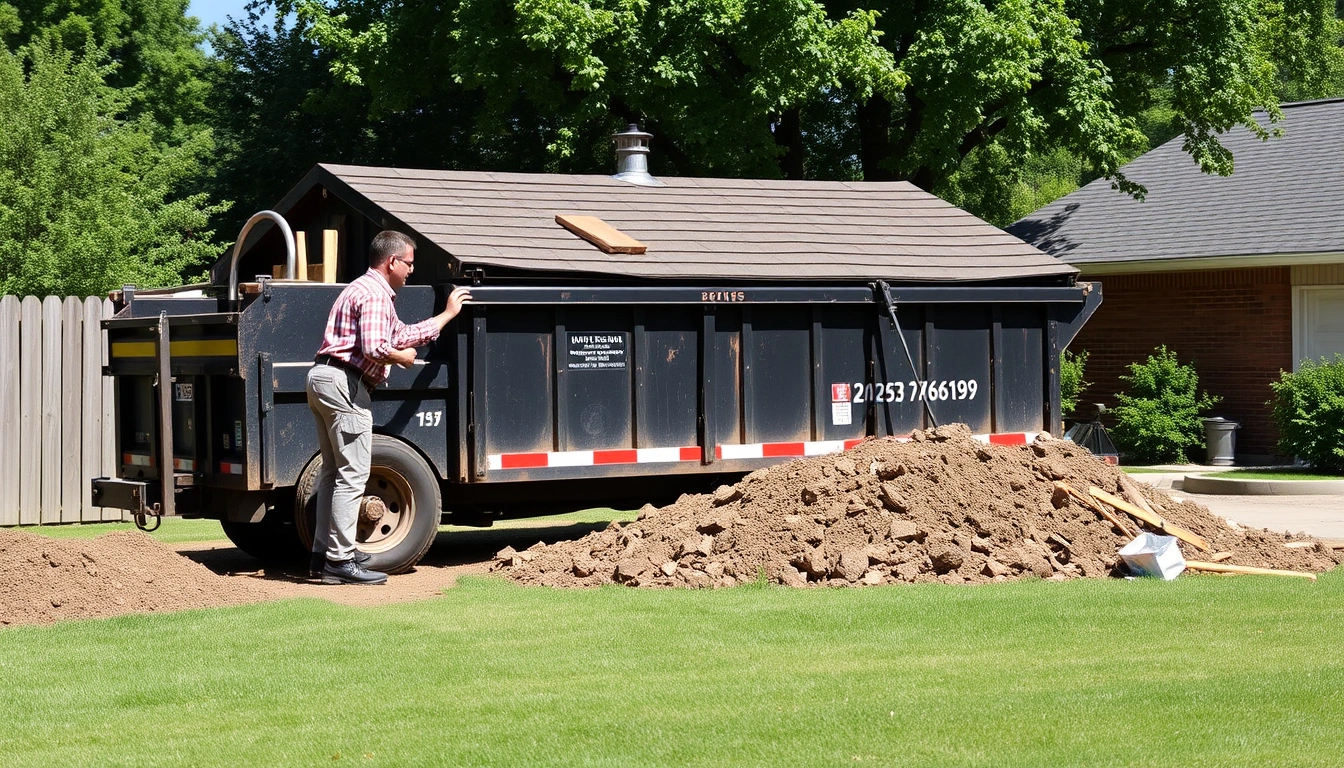
    See also: what size dumpster for roof tear off muskogee

    Related: diy roof tear off dumpster homeowner muskogee

    Related: what can you put in roofing dumpster muskogee

  • Roofing dumpster rental cost muskogee

    See also: roofing dumpster rental muskogee ok

    See also: roofing dumpster rental days needed muskogee

    See also: muskogee roofing debris statistics dumpster

    Related: hail damage debris removal

    Related: commercial roofing dumpster tpo membrane muskogee

    Related: what can you put in roofing dumpster muskogee

  • Roofing Contractor Dumpster Placement Driveway Muskogee

    Roofing Contractor Dumpster Placement Driveway Muskogee

    “`html

    Roofing contractor dumpster placement driveway Muskogee: protect your drive and catch every shingle

    ⏱️ 8 min read · Last updated: 2026

    Quick Answer: Place the open end of the 10-yard roll-off dumpster within 2–3 feet of the roof’s drip edge, perpendicular to the house wall, directly below the active tear-off section. Before the truck arrives, lay two sheets of ¾-inch plywood under each skid rail. This single setup prevents concrete cracking and captures the bulk of shingle debris — no crew carrying loads across the yard, no debris scatter on the neighbor’s lawn.
    Key Facts: roofing contractor dumpster placement driveway Muskogee (2026)

    • A standard 10-yard roll-off dumpster footprint measures approximately 14 ft long × 7.5 ft wide — that is the minimum clear driveway area needed before the delivery truck arrives.
    • Roll-off delivery trucks require at least 60 feet of clear linear space from the drop point to the street and 23 feet of vertical overhead clearance for the hydraulic arm.
    • Minimum plywood driveway protection thickness: ¾ inch (19 mm) per layer; two stacked layers — totaling 1.5 inches — is the standard for concrete driveways under a loaded container.
    • Positioning the open end of the dumpster within 3 feet of the roof eave captures most shingle debris without crew members needing to carry material across the yard.
    • Street dumpster placement in Muskogee requires a temporary right-of-way permit from the City of Muskogee Public Works department, a process that commonly takes 1–2 business days.

    Fifteen thousand pounds of asphalt shingles, rotted decking, and underlayment came off a roof in east Muskogee and landed on a concrete driveway with nothing underneath them. The homeowner found three cracks running from the dumpster skids toward the garage apron by the next morning. Roofing contractor dumpster placement driveway Muskogee prep takes under 30 minutes to get right — and most of the time, nobody does it.

    The damage usually isn’t from the weight alone. Muskogee’s July air temperatures average around 95°F, which pushes black asphalt surface temperatures well above 120°F in direct sun. At that point, the asphalt softens enough that a stationary, loaded container leaves permanent impressions — and the worst cracking often happens on pickup day, when the truck’s hydraulic arm shifts several tons of shingle load suddenly off two narrow skid rails.

    What follows is the specific placement method that prevents both problems: the catch zone orientation that cuts scatter debris to near zero, and the board setup that keeps your concrete intact through the full job.

    Where should I put the dumpster for a roofing job to protect my driveway?

    Position the dumpster with its open end facing the house wall, within 2–3 feet of the foundation, directly below the section of roof being torn off first. This orientation lets the crew throw shingles straight down into the container — not sideways across the yard — and keeps the heaviest static weight (the closed rear end) farthest from the house, where the concrete is typically in better condition.

    Most delivery drivers default to parallel placement — container running alongside the house with the opening facing the street — because it is easier to back in. That configuration forces crew members to toss shingles at a sideways angle that misses the container consistently. After one hour of tear-off, you have shingles on the AC unit, on the neighbor’s lawn, and in the gutters. The driver’s convenience becomes the homeowner’s cleanup problem.

    For driveway placement, the 10-yard roll-off dumpster footprint is approximately 14 feet long by 7.5 feet wide. Measure your driveway width before booking. A driveway narrower than 10 feet needs a different plan — street placement or a repositioned yard drop — because a driver cannot safely maneuver a container into a tight space without risking driveway edge damage on the approach alone.

    ⚠️ Avoid This Mistake: Never let the driver set the dumpster before the plywood protection boards are down. Once a loaded container is placed, sliding boards underneath is not safely possible. Lay the protection boards first, mark the spot, then direct the truck in.

    That 14-foot length also defines the minimum clear run-up your driveway needs. The delivery truck itself runs 28–32 feet long and must back in fully before the hydraulic arm engages. Add the 14-foot container to the truck length, and you need close to 60 feet of clear linear space from the front of the dumpster back to the street. Account for this before the truck shows up — not while the driver is idling at the curb.

    roofing contractor dumpster placement driveway muskogee

    The tear-off catch zone: the measurement most roofers skip

    The tear-off catch zone is the rectangular ground area where shingles naturally land during removal, defined by roof pitch, eave height, and how the crew tosses debris. Mapping this zone before dumpster placement is what separates a two-hour cleanup from a five-minute one — and it is the specific step that almost no roofing contractor in Muskogee, or anywhere else, thinks to diagram in advance.

    For a standard 6/12-pitch roof on a one-story Muskogee ranch home — with an eave height around 10–12 feet — shingles tossed by a crew member land roughly 5–10 feet from the wall. On a steeper 8/12 pitch, that range extends to 8–14 feet. The open end of the dumpster should sit at the near edge of that zone; the far closed wall should reach toward the far edge. On a two-story home, shingles can travel 15 feet or more from the wall, which sometimes requires pulling the open end of the container further from the foundation even at the cost of crew walking distance.

    For accurate context on muskogee roofing debris statistics dumpster volumes by home size and shingle layer count, that data breaks down how much material different Muskogee roof configurations actually produce — useful for confirming whether a 10-yard or 15-yard container fits the job.

    On a 6/12-pitch roof at standard ranch height, a dumpster positioned with its open end 2 feet from the wall captures roughly 80–90 percent of crew-tossed shingle debris without any additional tarps or catch nets.

    For low-slope roofs — anything below 3/12 pitch — shingles don’t travel; crews typically hand-carry bundles or use a forklift if staging from the ground. The catch zone concept matters most for roofs at 4/12 and steeper, where gravity does the work and trajectory becomes unpredictable.

    How do I keep shingles from missing the dumpster during tear-off?

    Shingles miss the dumpster for three distinct reasons, and each has a different fix. The first is wrong container position relative to the eave — the catch zone issue described above. The second is a crew throwing shingles at the wrong angle or too hard, overshooting the far wall. The third is a steep roof where shingles slide rather than get thrown, gaining enough momentum to clear the container entirely.

    For positioning errors, use the catch zone method: open end facing the roof, placed under the active tear-off section, shifted along the driveway as work progresses to different roof faces. A container parked in one fixed spot while the crew works from front pitch to back pitch will miss the catch zone on one side for half the job.

    For overshoot on steep roofs (8/12 pitch or steeper), ask your contractor about a debris chute — a flexible polyethylene tube that runs from the roof surface directly into the dumpster opening. Chutes reduce scatter dramatically, speed up cleanup, and protect landscaping and AC units that would otherwise take direct hits from sliding shingles. Knowing what size dumpster for roof tear off Muskogee jobs typically require also matters here — a container that’s already three-quarters full doesn’t catch debris the same way an empty one does; incoming shingles bounce off the pile rather than landing cleanly.

    💡 Pro Tip: Stake a 10×12-foot tarp on the ground beyond the dumpster’s far wall before tear-off starts. It catches overshoot, takes 5 minutes to lay, and makes end-of-day cleanup a single fold-and-dump rather than a yard scavenger hunt.

    roofing contractor dumpster placement driveway muskogee

    Plywood driveway protection: why thickness matters more than coverage area

    Two layers of ¾-inch plywood under each dumpster skid rail is the right target for concrete driveways — not one layer, not plywood across the entire dumpster footprint. The load transfer on a roll-off container happens almost entirely through the two skid rails, not the full bottom surface. Covering the space between the skids doesn’t distribute weight; covering the skids themselves does.

    A single ¾-inch board under each skid reduces the effective point load from roughly 300–400 lbs per square foot down to approximately 50–80 lbs per square foot by spreading the load across the board’s surface area. Two layers reduce it further and, critically, prevent the boards themselves from cracking under dynamic loading as shingle weight builds through a multi-day job. Standard residential concrete is typically poured to 3,000–4,000 psi compressive strength — per American Concrete Institute specifications, adequate for vehicle loads, but not engineered for the sustained static and dynamic point loads of a loaded roll-off container.

    One detail most articles skip: make sure the boards are not bridging existing expansion joints or control cracks in your driveway. A board spanning a joint flexes under load and concentrates force at the joint edges instead of distributing it — the opposite of the intended effect. Offset the boards so each one sits flat on intact, uninterrupted slab. If a major joint runs through the placement zone, position each board to one side of it rather than across it.

    For an asphalt driveway in cooler months — October through April in Muskogee — single-layer ¾-inch plywood often holds adequately. In summer, the asphalt surface softens enough that even a distributed load causes deformation. Two layers are worth the extra $40 investment in all warm-weather jobs. The roofing dumpster rental Muskogee OK process can include placement guidance on request — useful for homeowners who aren’t sure about their specific driveway’s condition before booking.

    Street vs. driveway placement in Muskogee — when each makes sense

    Driveway placement is the right call for most Muskogee roofing jobs because it gives the most control over catch zone position and avoids the permit process. Street placement is correct in three specific situations: the driveway is narrower than 10 feet, the driveway already has significant cracking that makes additional load inadvisable, or the job runs more than four days and blocking the driveway for that duration creates logistical problems for the household.

    Placement option Best for Key requirement Risk level
    Driveway with plywood Most jobs; drives 10 ft wide or more Two layers of ¾-in. plywood under each skid Low
    Driveway without plywood Never — not on concrete or asphalt N/A High — cracking very likely
    Public street Narrow drives; long-duration jobs; pre-cracked slabs City of Muskogee right-of-way permit Medium — permit and traffic considerations
    Grass or yard Rural or corner lots with drive access Firm, dry ground — avoid after rain Medium — sinking risk on saturated clay

    Street placement in Muskogee requires a temporary right-of-way permit through the City of Muskogee Public Works department. Plan for 1–2 business days to process — street placement is not a same-day decision. If the job is already scheduled and you discover the driveway won’t work the night before, call the rental company first thing in the morning about street-side options, not at noon.

    One underused option in Muskogee neighborhoods: a 45-degree driveway angle, where the rear of the container rests in the driveway and the open end angles toward the front yard grass. This works well on corner lots and some wide front yards, reduces permit requirements, and keeps the catch zone functional. The downside is ground compaction and some turf damage — recoverable, and far cheaper than concrete repair.

    What Muskogee summers do to asphalt driveways under a loaded container

    Muskogee averages July highs near 95°F, and black asphalt surfaces in direct sun commonly reach 140–160°F. Above 120°F, residential asphalt becomes pliable enough that sustained weight — even distributed weight — leaves permanent deformation, not just cracking. The ruts and impressions that result collect water in freeze-thaw cycles and accelerate surface deterioration over subsequent winters.

    Eastern Oklahoma’s soils compound this. Muskogee sits on predominantly expansive clay that swells when wet and contracts when dry. A dumpster placed in late spring — when soils are still saturated from the March through May storm season — sits on a base that’s already at or near its load limit. Add the weight of a full shingle tear-off and the combination of softened asphalt, wet clay, and concentrated point loading is exactly what causes visible cracking that the homeowner didn’t have before the job started.

    📊 Did You Know: According to the National Roofing Contractors Association (NRCA), a typical residential reroof generates 1–1.5 tons of debris per roofing square removed. A 2,000 sq ft Muskogee home with two layers of shingles can produce 20–30 tons of total tear-off material — enough to fill two or three 10-yard containers depending on how the crew stages the work.

    Timing matters for driveway protection, not just container placement. The best scheduling window for Muskogee roofing jobs — from a driveway-protection standpoint — is September through November, after peak heat and before winter freeze-thaw cycles begin. Spring scheduling is viable if the job runs after the wet season but before June temperatures hit. For tracking how many rental days the job will actually need, roofing dumpster rental days needed Muskogee guides break that down by roof size and crew size.

    What roofing contractors in Muskogee get wrong about dumpster setup

    The most common mistake is not skipping the plywood — it is ordering the container for the morning the crew starts instead of the afternoon before. A dumpster that arrives the same morning forces three things to happen in the wrong order: driver places the container where it’s fastest to back in, plywood goes down in a rush or not at all, and the catch zone gets no thought because tear-off has already started. Order the dumpster for delivery the afternoon before, so placement is done deliberately with nobody waiting on you.

    Second most common mistake: treating the dumpster position as fixed for the entire job. On a full roof replacement, the best approach is two placements — start with the container under the front-facing roof section, then reposition to cover the back or side pitch once the first section is complete. This keeps the open end consistently below the active tear-off zone rather than requiring crew to carry shingles across the roof to one fixed drop point. It also reduces foot traffic and weight load on a single section of the driveway.

    Third, and often the one that derails the whole plan: failing to check overhead clearance. A roll-off truck’s hydraulic arm extends to approximately 23 feet during placement. Mature pecan trees, live oaks, and catalpas are common in Muskogee front yards — and many of them hang over driveways at exactly the height that blocks the arm. The driver will not place under low branches, and a repositioned container away from the trees may put it completely outside the catch zone. Walk the driveway, look up, and resolve any branch conflicts before the truck is scheduled.

    💡 Pro Tip: The afternoon before delivery, mark the exact drop spot with chalk or a few pieces of painter’s tape on the driveway — including an arrow showing which end should face the house. Two minutes of prep eliminates the most common driver error: defaulting to whichever orientation requires the fewest backing maneuvers.

    Local costs and logistics in Muskogee, OK (2026)

    A 10-yard roll-off dumpster for a roofing job in Muskogee and surrounding areas — including Wagoner, Fort Gibson, Checotah, and Tahlequah — typically runs $300–$500 for a standard 3-to-5-day rental. The number that surprises most homeowners isn’t the base rate; it is the weight overage charge that kicks in when asphalt shingles push the load past the container’s standard weight allowance.

    Asphalt shingles weigh roughly 250–400 lbs per roofing square. A single-layer tear-off on a 2,000 sq ft home generates 4–6 tons of shingle debris alone, and most standard 10-yard rental agreements include a weight allowance of 1–2 tons before overage fees apply. Ask about the included weight limit — and what the per-ton overage rate is — before you book, not when the bill arrives. Per-ton overage rates in this market commonly run $50–$100.

    Cost item Typical Muskogee range (2026) Notes
    10-yard dumpster rental, 3–5 days $300–$500 Standard roofing job duration
    Weight overage, per ton over limit $50–$100/ton Common on full tear-offs; ask in advance
    City right-of-way permit, street placement $25–$75 commonly City of Muskogee Public Works; 1–2 business days
    Plywood protection boards (4 sheets, ¾-in.) $80–$160 Available at local lumber yards in Muskogee
    Concrete driveway crack repair (if protection skipped) $400–$1,800+ Varies by crack depth, length, and slab age

    The math on plywood is not subtle: four sheets of ¾-inch plywood run $80–$160 at lumber yards in the Muskogee area and protect against crack repairs that commonly run five to ten times that cost. Even if the driveway survives the first job unprotected, the cumulative stress on aging concrete compounds. The second job without boards is typically what produces the visible fracture the first job started.

    Per the American Concrete Institute, standard residential flatwork concrete has a design lifespan that assumes distributed, dynamic vehicle loads — not the sustained, concentrated static loads of a loaded roll-off container. Plywood protection boards are the cheapest engineering fix between those two load types.

    Key Takeaways

    • Position the dumpster’s open end within 2–3 feet of the eave, perpendicular to the house wall — not parallel with the opening facing the street, which is the default driver placement and the wrong one for shingle catch.
    • Two layers of ¾-inch plywood under each skid rail is the minimum for concrete driveways; single-layer is not adequate during Muskogee summer heat when asphalt softens above 120°F surface temperature.
    • Map the tear-off catch zone before placing the container — a 6/12-pitch roof at standard one-story height lands shingles 5–10 feet from the wall, and the dumpster’s open end should cover that zone.
    • Order the dumpster for the afternoon before the crew starts, not the morning of — rushed same-day placement almost always defaults to driver convenience over catch zone position.

    Common questions about roofing contractor dumpster placement driveway Muskogee

    What is the best dumpster placement for a roofing tear-off?

    Position the open end of the dumpster within 2–3 feet of the roof’s drip edge, directly below the active tear-off section, oriented perpendicular to the house wall. This covers the natural shingle-fall zone — roughly 5–10 feet from the wall on a 6/12-pitch roof — and lets the crew throw straight down rather than sideways. Shift the container as work moves to different roof faces.

    How to protect a driveway under a roll-off dumpster step by step?

    Mark where the dumpster skid rails will land. Lay one 4×8 sheet of ¾-inch plywood under each skid location. For concrete driveways, add a second ¾-inch layer on top. Confirm boards sit flat — not bridging expansion joints or existing cracks — then call the truck in. Total setup time: under 15 minutes, cost around $80–$160 in materials.

    Driveway vs. street placement for a roofing dumpster — which is better?

    Driveway placement is better for most Muskogee roofing jobs — it gives full control over catch zone position and skips the City of Muskogee right-of-way permit. Street placement makes sense when the driveway is narrower than 10 feet, already damaged, or when the job exceeds four days and household access matters. Plan 1–2 business days for the permit if choosing the street.

    Why is my driveway cracking under the dumpster and how do I prevent it?

    Cracking happens because a loaded dumpster’s weight concentrates through two narrow skid rails, generating point loads of 300–400 lbs per square foot — more than aging residential concrete is designed to handle. Prevention: two layers of ¾-inch plywood under each skid, placed on solid slab (not bridging joints or cracks), reducing effective load to roughly 40–60 lbs per square foot.

    How much clearance does a roll-off delivery truck need in Muskogee in 2026?

    A roll-off delivery truck needs at least 60 feet of clear linear space from the drop point back to the street, and 23 feet of vertical overhead clearance for the hydraulic arm during placement. In Muskogee neighborhoods with mature pecan, oak, or catalpa trees overhanging driveways, measure overhead clearance before booking — drivers can legally refuse any placement that risks the equipment.

    Can I get same-day dumpster delivery for a roofing job in Muskogee?

    Same-day delivery is possible in Muskogee for calls placed before 9 a.m., depending on availability. The problem is not delivery speed — it is that same-day orders leave no time to lay protection boards or plan the catch zone before the crew starts. Order the afternoon before, so placement decisions happen without a crew waiting on you.

    What size dumpster do I need for a full roof replacement in Muskogee?

    A 10-yard roll-off dumpster handles most single-layer tear-offs on homes up to 1,500 sq ft. Two-layer tear-offs, roofs over 2,000 sq ft, or jobs that include wood decking removal typically need a 15-yard container. When in doubt, size up — a mid-job swap adds cost and downtime, and a container that fills before the crew finishes slows every subsequent step.

    The bottom line

    Every cracked Muskogee driveway that results from a roofing job traces back to the same two skipped steps: no catch zone planning, and no plywood under the skids. Neither one requires the roofing contractor to do anything differently — they are homeowner decisions made the afternoon before the truck arrives. Roofing contractor dumpster placement driveway Muskogee prep is not complicated; it just has to happen before the job starts, not after the damage shows up.

    The one thing to do today: buy four sheets of ¾-inch plywood and set them at the intended placement spot. That is $80–$160 and under 20 minutes of effort. If you are still working through the weight limits, timing, and container sizing for your specific roof, the full guide to Roofing & Shingle Tear-Off Dumpster Rental in Muskogee, OK — Weight, Sizes & Cost by Roof Type covers all of it in detail, including what a two-layer tear-off actually weighs and when a single 10-yard container will not be enough.


    See also: roofing dumpster rental muskogee ok
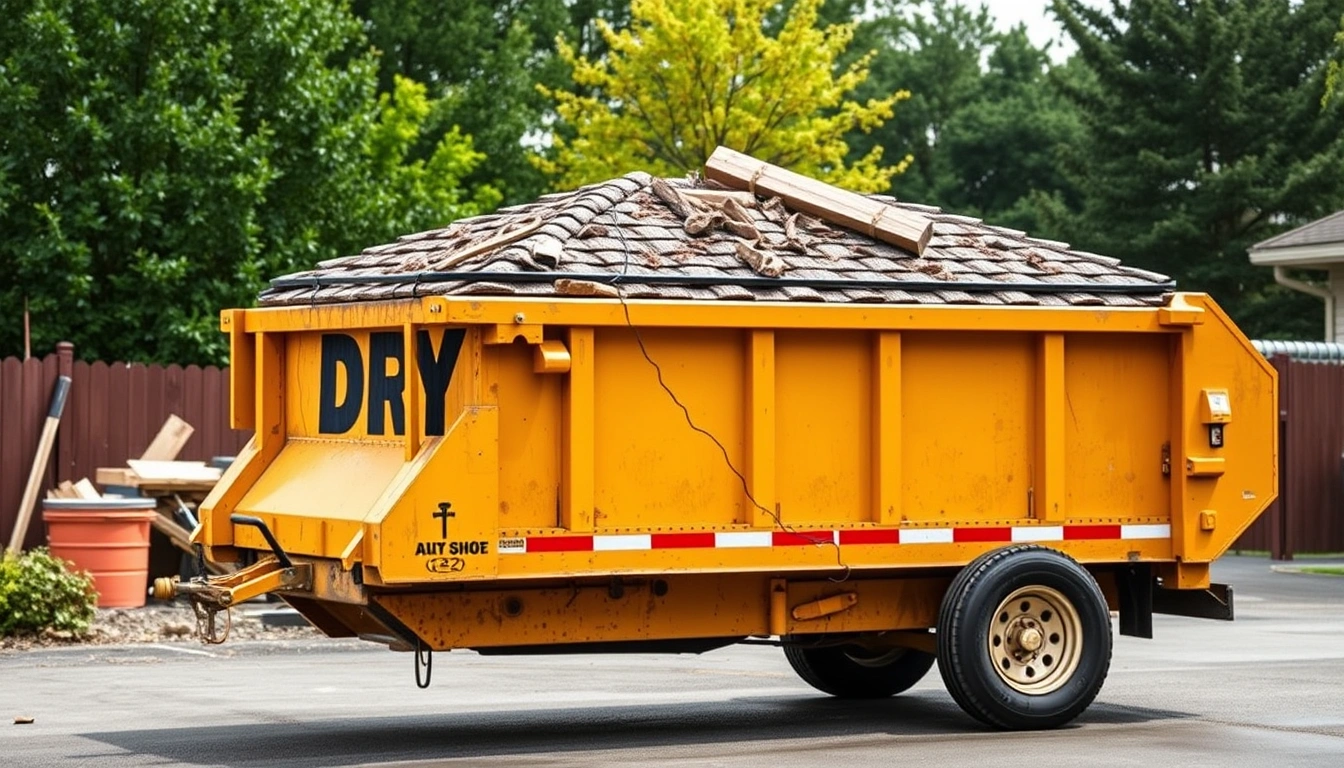
    See also: muskogee roofing debris statistics dumpster

    See also: what size dumpster for roof tear off muskogee

    Related: roofing dumpster rental cost muskogee

    Related: storm damage roof debris dumpster muskogee

    Related: commercial roofing dumpster tpo membrane muskogee

  • Multiple layer roof tear off dumpster Muskogee: size guide

    Multiple layer roof tear off dumpster Muskogee: size guide

    “`html

    Multiple layer roof tear off dumpster Muskogee: how each layer changes your rental

    ⏱️ 11 min read · Last updated: 2026

    Quick Answer: A two-layer tear-off on a 20-square Muskogee roof generates roughly 14,000–18,000 lbs of debris — nearly twice the 4-ton (8,000 lb) weight limit of a standard 20-yard roll-off dumpster. A three-layer tear-off on the same roof exceeds that limit by three or four times. Plan for multiple hauls based on layer count and square footage before the crew arrives, not after the dumpster is full.
    Key Facts: multiple layer roof tear off dumpster Muskogee (2026)

    • Each additional shingle layer adds approximately 230–450 lbs per roofing square (100 sq ft), depending on shingle type — 3-tab runs lighter, architectural runs heavier.
    • A standard 20-yard roll-off dumpster holds roughly 4 tons (8,000 lbs) of shingle debris before hitting its weight limit in most Muskogee rentals.
    • A two-layer tear-off on a 25-square roof with architectural shingles generates an estimated 17,500–22,500 lbs — requiring at least two hauls regardless of dumpster size.
    • The extra haul threshold for most Muskogee roll-off rentals is 4 tons; overage fees commonly run $75–$150 per ton over that limit.
    • Three-layer tear-offs require a second haul on any roof larger than 8–10 roofing squares with standard architectural shingles.

    The dumpster was two-thirds full and the crew hadn’t cleared the back slope yet. That’s the moment a multiple layer roof tear off dumpster Muskogee plan falls apart — the container looks half-empty by volume but it’s already over its weight limit, the hauler is about to charge overage fees, and the roofing crew is standing there waiting. On a 28-square job I tracked in Muskogee, three layers of 30-year architectural shingles added up to nearly 29,000 lbs total. The homeowner had ordered one standard dumpster.

    Weight — not cubic yards — is what makes layered tear-offs fundamentally different from single-layer jobs. Asphalt shingles are dense enough that a 20-yard roll-off dumpster hits its 4-ton limit when it’s visually about 40–60% full. Stack two or three layers of material coming off simultaneously and that limit arrives fast. According to muskogee roofing debris statistics dumpster data, layered tear-offs are the most common source of unexpected overage fees on residential roofing jobs in the area.

    The math isn’t complicated once you know the numbers. Two variables determine the right plan: how many layers are coming off, and how many roofing squares the roof covers. Everything else follows from those two figures.

    The weight math that most dumpster calculators skip

    Every additional shingle layer multiplies the debris weight in a near-linear way — and weight, not volume, determines whether one dumpster gets the job done. Standard 3-tab shingles weigh approximately 230–250 lbs per roofing square per layer. Architectural and dimensional shingles, which are now the dominant product on Muskogee residential roofs, run heavier: approximately 350–450 lbs per roofing square per layer.

    Stack two layers and you’re looking at 460–900 lbs per square before a single shingle hits the dumpster. Three layers brings that to 690–1,350 lbs per square. On a typical 25-square home, a three-layer tear-off using architectural shingles generates roughly 26,250–33,750 lbs of material — that’s over 13 tons from a house that looks perfectly ordinary from the street.

    The National Roofing Contractors Association notes that architectural shingles — now the standard in most residential installations — commonly weigh 40–70% more than the 3-tab shingles they replaced. This means older layer-count weight estimates significantly understate actual debris weight on modern Muskogee roofs where architectural shingles were applied over existing 3-tab.

    The weight multiplier is close to linear across layers: layer two adds roughly the same weight as layer one, and layer three adds the same again. That cumulative effect is what breaks single-dumpster plans. When you book roofing dumpster rental Muskogee OK for a layered job, the right move is to calculate by weight first and let the container size and haul count follow from that number.

    Quick check: Do you know your shingle type and your square count? If yes, skip to the decision tree. If no, get those two numbers from your contractor before calling the dumpster company — everything else depends on them.

    📊 Did You Know: The EPA’s Construction and Demolition debris program classifies asphalt shingles as one of the heaviest per-unit contributors to residential C&D debris by weight — heavier per cubic yard than concrete rubble in many cases. That density is exactly why shingle jobs hit dumpster weight limits so much faster than other debris types.

    multiple layer roof tear off dumpster muskogee

    Do I need a bigger dumpster if my roof has three layers of shingles?

    Yes — almost without exception. A three-layer tear-off on any Muskogee roof larger than 8–10 roofing squares will exceed the weight limit of a standard 20-yard roll-off dumpster, even before it looks visually full. The volume appears manageable; the weight is not.

    Here’s the specific math on a 15-square roof: three layers of architectural shingles at 400 lbs per square per layer equals 18,000 lbs of debris. The weight limit (tons) for a standard 20-yard roll-off in Muskogee is commonly 4 tons (8,000 lbs). That’s 10,000 lbs — five tons — over the limit on what looks like a modest ranch home. You are not fitting that in one container.

    The practical options for a three-layer tear-off are three. First: schedule two hauls with the same container — the crew fills it midway through the tear-off, the company swaps it for an empty, the second half goes in the fresh container. Second: rent two containers simultaneously and split the roof into sections. Third: upgrade to a specialty heavy-debris dumpster with a higher weight rating, where available. Option one is most cost-effective for the majority of Muskogee residential jobs and the one most experienced roofing crews prefer.

    It’s also worth knowing that Oklahoma’s residential building code has historically capped shingle installations at two layers before a full tear-off is required. A three-layer tear-off often signals an older home where the limit wasn’t enforced, or a previous re-roof done without permits. That history doesn’t change the debris weight — but it does mean three-layer jobs sometimes carry additional surprises like deteriorated underlayment, which adds more material to dispose of.

    ⚠️ Avoid This Mistake: Don’t size the dumpster based on cubic yards for a three-layer tear-off. A 20-yard container holds about 4 tons of shingles by weight but looks half-empty when it hits that limit. Crews keep loading because the dumpster doesn’t look full — and overage fees of $75–$150 per ton show up on the bill after the fact, not in real time.

    Quick check: Three-layer tear-off, 10+ squares — plan for two hauls before the job starts. The cost of scheduling the swap upfront is always lower than paying rush overage fees once the container is already over the limit.

    How much heavier is a two-layer tear-off for a Muskogee roof?

    A two-layer tear-off is approximately double the weight of a single-layer job on the same roof — and that doubling is the critical number that determines whether one 20-yard roll-off dumpster is sufficient. On a standard 20-square Muskogee home with architectural shingles, a two-layer shingle removal generates roughly 14,000–18,000 lbs, compared to 7,000–9,000 lbs for the same roof with one layer.

    The weight limit threshold makes the math clear. A single layer of architectural shingles on a 20-square roof lands around 7,000–9,000 lbs — right at or just over the 4-ton limit of a standard 20-yard roll-off. Add the second layer and you’re at 14,000–18,000 lbs, roughly 1.75 to 2.25 times the weight limit. One container is not enough.

    For a two-layer tear-off on a typical Muskogee home of 20–25 roofing squares using architectural shingles, plan for a total debris weight of 14,000–22,500 lbs — between 1.75 and 2.8 times the weight limit of a standard 20-yard roll-off dumpster.

    There is a narrow window where a single container works for two-layer shingle removal: roofs under 10 squares using lighter 3-tab shingles. On those jobs, the total weight can come in around 4,600–5,000 lbs per layer, or 9,200–10,000 lbs for two layers — still over the standard 4-ton limit but close enough that some rental companies offer a higher-weight-allowance option for a modest upcharge. To get a weight-based estimate specific to your job and figure out what size dumpster for roof tear off Muskogee makes sense for your square count and layer count, confirm the per-ton overage rate and the base weight allowance before you book anything.

    Quick check: Two-layer tear-off on a roof under 10 squares with 3-tab shingles — ask about the weight allowance upgrade. Two layers on anything over 10 squares with architectural shingles — plan for two hauls. Don’t try to make one container work.

    multiple layer roof tear off dumpster muskogee

    The layer-by-layer decision tree: matching your roof to the right container

    The right dumpster for layered tear off disposal comes down to three variables: layer count, square footage, and shingle type. This table maps the most common combinations to concrete decisions, including where the weight math forces a different plan than the container size alone would suggest.

    Layer count Roof size (squares) Est. debris weight (arch. shingles) Best path Extra haul risk
    1 layer Up to 20 sq 7,000–9,000 lbs One 20-yard roll-off dumpster Low
    1 layer 21–35 sq 9,000–15,750 lbs One 20-yard + swap haul or confirm higher weight allowance Moderate
    2 layers Up to 10 sq 7,000–9,000 lbs One 20-yard — confirm weight limit (tons) in writing Low–Moderate
    2 layers 11–25 sq 10,000–22,500 lbs Two hauls with one container or two containers simultaneously High
    3 layers Any size 1.5× the two-layer weight estimate Minimum two hauls; plan three for roofs over 20 sq Very High

    Use this six-step process to arrive at the right number before you call:

    1. Get the square count from your contractor — one roofing square equals 100 sq ft of roof surface. Don’t estimate from the home’s floor plan; roof geometry adds 20–40% on most pitched homes.
    2. Identify the shingle type on each layer — ask specifically whether the existing layers are 3-tab or architectural. If unknown, assume architectural (heavier) for the planning weight.
    3. Run the weight calculation — multiply square count × layer count × lbs per square per layer. Use 400 lbs as a safe planning figure for architectural shingles.
    4. Compare to the weight limit (tons) — confirm the rental company’s specific weight allowance for shingle debris in writing, not just the container’s cubic yard volume.
    5. Divide the total weight by the allowance — the result tells you how many hauls you need. Round up.
    6. Add a 10–15% buffer — layers aren’t perfectly uniform, and underlayment, flashing, and decking scraps add weight that rarely shows up in a contractor’s square count.

    Knowing the roofing dumpster rental days needed Muskogee crews typically require helps you time the swap haul so the container isn’t sitting empty overnight between loads. A mid-job swap on a two-layer tear-off usually takes one to two hours — schedule it for late morning so the crew doesn’t lose a full half-day of production time.

    Quick check: Square count × layers × 400 lbs = your planning weight. If that number exceeds 8,000 lbs, plan for multiple hauls before the first shingle comes off the roof.

    When a 20-yard roll-off dumpster hits its limit before it looks full

    Shingles are among the densest residential construction materials by weight per cubic foot. A 20-yard roll-off dumpster packed with asphalt shingles commonly hits its 4-ton weight limit when it’s only 40–60% full by visual volume. That means a container that looks half-empty on a multiple layer roof tear off dumpster Muskogee job can already be at or over its legal road weight — and the crew has no way to tell without a scale.

    Roofing crews tend to load based on what they can see, not what the container weighs. By the time the dumpster looks full, it can be two or three tons over the weight limit. Haulers weigh loads at the landfill, and if your load is over the contracted weight, you pay the overage — typically $75–$150 per ton in Oklahoma — regardless of whether anyone flagged it during loading.

    💡 Pro Tip: Ask your dumpster rental company for the per-ton overage rate before you book, then compare it against the cost of a planned swap haul. If you’re within 15% of the weight limit on your estimate, scheduling the second haul upfront almost always costs less than paying unplanned overage. The math is usually not close.

    The practical solution is to brief the crew before the job starts: on a two-layer or three-layer tear-off, stop loading and call for the swap haul when the container reaches approximately 50% visual capacity. It feels counterintuitive — the dumpster looks barely used. But that’s the point where the weight math says you’re close to or already at the limit on a heavy-layer job. The 50% visual mark is not a rule of thumb; it’s the weight math translated into something the crew can actually see on the job site.

    Quick check: Talk to the rental company before the job and ask what a typical Muskogee layered tear-off on a similar-size roof looks like on the scale ticket. Experienced haulers have seen it dozens of times and can tell you what to expect.

    Four situations where the standard layer count advice breaks down

    Standard layer-count-to-dumpster advice assumes a clean residential tear-off with consistent shingle type across all layers and no other major debris. These four scenarios change the weight math enough that the standard recommendation produces the wrong answer.

    1. The roof has different layer counts on different sections

    Muskogee homes with additions, garages, or attached structures often have different layer histories on different roof sections. The main house may have two layers; the garage addition may have one. The standard advice for a “two-layer job” doesn’t apply cleanly here. What to do instead: ask your contractor for a per-section layer count and square footage, calculate the weight for each section separately, then add the totals. Treat the highest-layer section as the governing variable for your haul count.

    2. Wood decking replacement is part of the scope

    When plywood or OSB decking is being replaced alongside the tear-off, that material adds roughly 1.5–2.5 lbs per sq ft — approximately 150–250 lbs per roofing square. On a 25-square roof, that’s an additional 3,750–6,250 lbs that most shingle-weight calculators ignore entirely. What changes: add a full extra ton to your planning weight on any job where decking replacement is confirmed. This alone can push a borderline single-haul plan into a clear two-haul job.

    3. Ice and water shield or extra felt layers are present

    Older Muskogee roofs sometimes have peel-and-stick ice barrier membranes or multiple layers of roofing felt underneath the shingles. These layers add 15–30 lbs per square each. On a 30-square roof, that’s an additional 450–900 lbs. Not enough to change the haul count on its own, but enough to push a borderline load over the weight limit. What to do: if your contractor identifies additional barrier layers during inspection, add 500 lbs to your projected weight as a planning buffer.

    4. A flat or low-slope section uses modified bitumen instead of shingles

    Modified bitumen roofing — found on low-slope sections of some Muskogee commercial-residential hybrids and older bungalows — weighs approximately 600–800 lbs per roofing square per layer. A single layer of mod-bit on a 10-square flat section adds more weight than 20 squares of standard 3-tab shingles. What to do: treat any modified bitumen section as a weight multiplier of roughly 2.5× compared to standard architectural shingles, and build your haul plan around that number before anything else.

    💡 Pro Tip: The most reliable approach for any layered tear off disposal job: have your roofing contractor do a specific layer inventory — not just an estimate — before you call for a dumpster. Ask them to note shingle type by layer, any flat-roof sections, and whether decking replacement is in scope. A 20-minute walkthrough prevents a $400–$700 surprise on the back end of the job.

    Quick check: Before the job starts, ask your contractor these four questions directly: Are there partial-layer-count sections? Is the decking being replaced? Are there extra barrier or felt layers? Are any sections mod-bit or flat-roof membrane? Each yes changes the weight calculation.

    Key Takeaways

    • Each shingle layer adds 230–450 lbs per roofing square — layer count is the primary cost driver on layered tear off disposal jobs, not roof size alone.
    • A standard 20-yard roll-off dumpster holds ~4 tons of shingles; most two-layer tear-offs on Muskogee homes over 10 squares exceed this limit and require two hauls.
    • Three-layer tear-offs require a minimum of two hauls on roofs larger than 8–10 squares — this is not a contingency plan, it’s the baseline.
    • Shingles hit the weight limit when the dumpster is 40–60% visually full; brief the crew to stop at 50% visual capacity on any multi-layer job.

    Common questions about multiple layer roof tear off dumpster Muskogee

    What is a multi-layer roof tear-off and why does it matter for dumpsters?

    A multi-layer roof tear-off means removing two or three existing shingle layers that were applied over each other instead of removed. It matters for dumpster rental because each additional layer multiplies the debris weight by 230–450 lbs per roofing square — often pushing a single job past the 4-ton weight limit of a standard 20-yard roll-off dumpster.

    How do I size a dumpster for a three-layer roof step by step?

    Step 1: Get your square count from the contractor (1 square = 100 sq ft). Step 2: Multiply squares × 3 layers × 400 lbs per square per layer (for architectural shingles). Step 3: Divide by 8,000 lbs (the standard 4-ton weight limit) to get the number of hauls needed. Most three-layer roofs over 10 squares require at least two hauls.

    Is one dumpster or two hauls better for a multi-layer roof in Muskogee?

    Two hauls with one container is usually the most cost-effective approach for most Muskogee residential jobs. A planned mid-job swap haul typically costs $200–$400 less than renting two containers simultaneously. Schedule the swap for mid-morning on tear-off day so the crew isn’t waiting more than one to two hours for the empty container to return.

    Why did my multi-layer roof fill the dumpster so fast?

    Shingles hit the weight limit when the container is only 40–60% visually full because asphalt shingles are denser than almost any other residential debris type. Multi-layer jobs accelerate this — two or three layers come off simultaneously, and weight accumulates twice or three times as fast as a single-layer tear-off. The dumpster looks manageable until it’s over the limit.

    How much extra does a two-layer tear-off dumpster cost in Muskogee in 2026?

    In 2026, a planned second haul for two-layer shingle removal in Muskogee typically adds $200–$400 to a standard rental cost. Unplanned overage fees — when a crew overloads a single container — commonly run $75–$150 per ton over the weight limit. Scheduling two hauls upfront is almost always the cheaper path once the math is done.

    Can I rent a 30-yard dumpster instead of two hauls for a multi-layer tear-off?

    A 30-yard container has more volume but not always more weight capacity — many Muskogee companies apply the same 4-ton weight limit to shingle debris regardless of container size. Confirm the weight limit (tons) specifically for roofing material before assuming a larger container solves the problem. In most layered tear-off cases, two hauls in a 20-yard roll-off dumpster is cheaper than upgrading container size.

    What’s the weight limit for shingle debris in a Muskogee dumpster rental?

    Most Muskogee roll-off rentals set a weight limit of 4 tons (8,000 lbs) for roofing and shingle debris on a standard 20-yard roll-off dumpster. Some companies offer a higher-allowance option — up to 5–6 tons — for an upcharge, which can reduce the number of hauls needed on larger layered jobs. Always confirm the base weight allowance and per-ton overage rate before booking.

    The bottom line

    Layer count is the variable that breaks standard dumpster planning on Muskogee roof jobs. A single-layer tear-off on a 20-square roof is a one-container job. A two-layer tear-off on the same roof nearly doubles past the weight limit of a standard 20-yard roll-off dumpster. A three-layer tear-off makes two hauls the baseline, not the backup plan.

    The one step to take today: before you call a dumpster company, get the square count and layer count from your contractor and run the simple calculation — squares × layers × 400 lbs. If the number exceeds 8,000 lbs, book two hauls upfront. That calculation takes five minutes and commonly saves $300–$600 in overage fees.

    For the full breakdown of sizing, weight limits, and costs across every roof type in Muskogee — including hip roofs, valleys, and mixed-material jobs — the parent guide Roofing & Shingle Tear-Off Dumpster Rental in Muskogee, OK — Weight, Sizes & Cost by Roof Type covers every configuration in detail.

    Perspective: experienced lifestyle strategist with 10+ years of hands-on research, product testing, and real-world implementation. Last updated: 2026.

    “`

    See also: what size dumpster for roof tear off muskogee

    See also: roofing dumpster rental muskogee ok
    See also: muskogee roofing debris statistics dumpster

    Related: dumpster driveway protection

    Related: roofing dumpster price

    Related: storm damage roof debris dumpster muskogee

  • Roofing dumpster weight limit overage Muskogee: 2026 fees

    Roofing dumpster weight limit overage Muskogee: 2026 fees

    Roofing dumpster weight limit overage in Muskogee: 2026 fees, weight tickets, and how to avoid the bill

    ⏱️ 8 min read · Last updated: 2026

    Quick Answer: In Muskogee, overage fees on a roofing dumpster commonly run $75–$100 per ton over the included weight limit. A standard 20-yard dumpster typically includes 2 tons; a full asphalt shingle tear-off on a 2,000 sq ft home commonly produces 3–5 tons of debris. If your roof has two layers or uses architectural shingles, budget for a 30-yard dumpster or expect an overage fee on your final invoice.
    Key Facts: roofing dumpster weight limit overage Muskogee (2026)

    • A 20-yard dumpster in Muskogee typically includes a 2-ton weight limit; overages are commonly billed at $75–$100 per ton over that limit.
    • Standard 3-tab asphalt shingles weigh 230–250 lbs per square (per 100 sq ft of roof area); architectural shingles weigh 350–430 lbs per square.
    • A single-layer tear-off on a 2,000 sq ft home typically generates 2.5–3.5 tons of roofing debris; a two-layer tear-off commonly doubles that to 5–7 tons.
    • The Muskogee County landfill weight ticket is the official document your rental company uses to calculate overage fees — it records gross, tare, and net debris weight.
    • Upsizing from a 20-yard to a 30-yard dumpster typically costs $50–$100 more upfront but can prevent $150–$400 in overage fees on a standard re-roof.

    The extra charge shows up on the final invoice three days after pickup — $225 for exceeding the weight limit, not a billing error, just the math on two layers of asphalt shingles nobody weighed in advance. Roofing dumpster weight limit overage in Muskogee works exactly this way: your rental company drives the loaded container to the Muskogee County landfill, crosses the certified truck scale, and the weight ticket that prints out determines what you actually owe beyond your quoted price.

    Asphalt shingles are brutally dense. A standard bundle weighs 60–80 lbs, and three bundles cover one roofing square — 100 sq ft of actual roof surface. On a 2,000 sq ft home with a moderate pitch, you’re dealing with roughly 22–24 actual roofing squares. Single-layer 3-tab tear-off: about 2.5 tons. Architectural shingles on that same roof: close to 4 tons. Two layers of either? The numbers double, and the typical 20-yard dumpster’s 2-ton limit doesn’t stand a chance.

    Homeowners who avoid overage bills run the tonnage estimate before they call the rental company, not after. That calculation takes about five minutes and requires two numbers: roof square footage and layer count. The rest is straightforward arithmetic — and the decision tree below walks through it exactly.

    How roofing debris tonnage adds up — and why the math catches most homeowners off guard

    Asphalt shingles are the densest common construction material most homeowners ever throw in a dumpster — heavier per cubic yard than wood framing, drywall, or most concrete rubble. The number that actually drives your bill is per-square weight: how many pounds of debris each 100-square-foot section of roof produces.

    Standard 3-tab asphalt shingles run 230–250 lbs per roofing square. Architectural (dimensional) shingles — the layered style found on most Oklahoma homes built after the mid-1990s — run 350–430 lbs per square, according to product specification data published by major manufacturers. On a roof with 22 squares of architectural shingles, that’s 7,700–9,460 lbs in a single layer alone. That’s 3.85–4.73 tons before you account for felt paper, ridge caps, flashing, or any decking.

    The EPA’s construction and demolition debris data confirms that roofing materials represent one of the heaviest per-volume C&D waste streams, making weight — not volume — the binding constraint on most roofing dumpster rentals. A 30-yard container looks enormous until you pack it with dense architectural shingles.

    Two-layer tear-offs are where the math becomes genuinely punishing. Oklahoma’s residential building code permitted two shingle layers through the 2009 International Residential Code adoption cycle, and a large share of Muskogee-area homes have exactly that. Two layers of architectural shingles on a 2,000-square-foot home commonly generates 7–9 tons of roofing debris — well beyond what any standard 20-yard or even 30-yard dumpster includes in its base weight limit.

    Quick check: Multiply your home’s footprint by 1.3 (low-slope roof, 4/12 pitch or less) or 1.5 (steep pitch, 9/12 or higher) to get approximate roof surface area in sq ft. Divide by 100 to get roofing squares. Multiply by 240 lbs (3-tab) or 400 lbs (architectural) per square, then multiply by layer count, and divide by 2,000 to get estimated tons. If that number exceeds your dumpster’s included weight limit, you need a larger bin.

    roofing dumpster weight limit overage muskogee

    How much are overage fees if my roofing dumpster is over the weight limit in Muskogee?

    Overage fees on a roofing dumpster in Muskogee commonly run $75–$100 per ton over the included weight limit as of 2026. That means one ton over costs $75–$100 on your final invoice; two tons over adds $150–$200. The exact rate varies by provider, but most Muskogee-area rental companies price within this range because their per-ton overage fee is anchored to the Muskogee County landfill tipping fee, plus margin.

    Here is how the math plays out on a real job. A 20-yard dumpster with a 2-ton weight limit, loaded with a single-layer architectural shingle tear-off on a 1,800-square-foot home, commonly weighs in at 3.2–3.6 tons at the landfill scale. That’s 1.2–1.6 tons over the limit — roughly $90–$160 in overage fees at standard Muskogee-area rates. Not catastrophic, but also not in the original quote.

    💡 Pro Tip: Before signing your rental agreement, ask for the exact overage fee per ton in writing. A reputable provider will name a specific dollar figure. If the answer is “it depends” without a ceiling or a specific rate, that vagueness will cost you when the weight ticket comes back heavy.

    One detail that changes the math: some providers bill overage fees in full-ton increments (1.4 tons over = billed as 1 ton), while others bill in fractional increments (1.4 tons over = billed at 1.4 tons). On a job that runs 1.5 tons over the weight limit, the difference between those two billing methods is $37–$50. When you book a roofing dumpster rental muskogee ok, confirm which method your company uses before the bin is delivered.

    Quick check: If your debris estimate lands within 0.5 tons of the included weight limit, treat it as already over and upsize. There is no buffer in that margin for the felt paper, roofing nails, and ridge cap material that go in alongside the shingles — and those materials add up.

    What a landfill weight ticket actually shows — and how your bill gets calculated

    A weight ticket is the printed receipt generated when a truck crosses the certified scale at the Muskogee County landfill. It records three numbers: gross weight (truck plus loaded dumpster), tare weight (the empty truck, either measured on the return trip or from a calibration record), and net weight — the debris-only figure calculated by subtracting tare from gross. That net weight is what your rental company uses to calculate any overage fee per ton charged to you.

    Most homeowners never see this document. The rental company hauls the bin, gets weighed, pays the tipping fee, and passes any overage through to the final invoice with a line like “excess weight: 1.4 tons @ $85/ton = $119.” That charge is legitimate when the weight ticket supports it — and certified scales at licensed landfills are regularly calibrated, so the number is reliable.

    ⚠️ Avoid This Mistake: Never pay an overage fee without first requesting a copy of the Muskogee County landfill weight ticket. It is a standard business document — not proprietary to the rental company — and any legitimate provider will supply it without hesitation. If you receive a weight-based overage charge with no ticket reference number, ask for the document before paying.

    You can also ask your rental company to show overage charges as a separate line item cross-referenced against the weight ticket number. This makes verification straightforward: net weight on the ticket minus your included tonnage, multiplied by the stated overage fee per ton, should equal the additional charge on your invoice. For typical project weight ranges in this area, the muskogee roofing debris data breaks down tonnage by home size and shingle type — useful for setting expectations before the bin arrives.

    Quick check: When your final invoice arrives, locate the weight ticket reference number on any overage line item. If the charge appears without one, that’s the moment to request it — before the bill is paid.

    roofing dumpster weight limit overage muskogee

    The decision tree: picking the right dumpster before the shingles hit the bin

    The right dumpster size for a roofing tear-off comes down to four variables: roof square footage, number of shingle layers, shingle type, and whether decking or other non-shingle debris is included. Work through them in order before you call your rental company.

    1. Calculate your roof’s actual surface area. Multiply your home’s footprint (square footage) by a pitch factor: 1.3 for low slope (4/12 or less), 1.4 for moderate pitch (5/12 to 8/12), or 1.5 for steep pitch (9/12 and above). Divide by 100 to get roofing squares.
    2. Identify the shingle type. 3-tab shingles are thin and uniformly flat. Architectural shingles have visible dimensional layering with heavier exposed tabs. If in doubt, lift a shingle edge at the eave — architectural shingles have noticeably more mass.
    3. Count the layers. Check the exposed edge at the drip edge or rake. Multiple visible shingle layers mean a multi-layer tear-off. Each additional layer adds the same weight as the first.
    4. Estimate total debris weight. Roofing squares × lbs per square (240 for 3-tab, 400 for architectural) × number of layers ÷ 2,000 = estimated tons of roofing debris.
    5. Add a 10–15% buffer. Felt paper, roofing nails, ridge cap shingles, and flashing all go in the same dumpster. They add weight that most pre-job estimates miss entirely.
    6. Compare to the dumpster’s weight limit and decide. If estimated tons plus buffer exceeds the included weight limit, upsize. If you are within 0.3 tons of the limit after adding the buffer, treat it as already over and upsize. To confirm the right container dimensions for your specific job, the guide on what size dumpster for roof tear off muskogee projects covers each home size with tonnage calculations already done.
    Roofing project scenarios vs. recommended dumpster (Muskogee, 2026)
    Project scenario Est. debris weight Recommended container Overage risk
    1,000 sq ft home, 1 layer, 3-tab 1.2–1.5 tons 10-yard (2-ton limit) Low
    1,500 sq ft home, 1 layer, architectural 2.6–3.3 tons 20-yard (3-ton limit) or 30-yard Medium on 20-yard
    2,000 sq ft home, 1 layer, architectural 3.5–4.5 tons 30-yard (4-ton limit) Low
    2,000 sq ft home, 2 layers, 3-tab 5–7 tons 30-yard or schedule two hauls High without planning
    2,500 sq ft home, 2 layers, architectural 8–11 tons Multiple containers Certain without multiple bins

    Upsizing from a 20-yard to a 30-yard dumpster in Muskogee costs $50–$100 more upfront. Avoiding a 2-ton overage fee saves $150–$200. The math almost always favors the larger container on any job with architectural shingles or multiple layers.

    Quick check: Run this one-minute estimate before you call: footprint × pitch factor ÷ 100 = squares. Squares × lbs/square × layers ÷ 2,000 = estimated tons. Add 10%. If that number exceeds the included weight limit on the bin you’re considering, you already have your answer.

    Why did my dumpster rental cost more than quoted after the roofing job?

    The most common reason a roofing dumpster rental costs more than quoted is a weight-based overage fee per ton that wasn’t built into the original estimate. The quoted price covers delivery, pickup, the container, and the included tonnage — but when the debris weight clears the Muskogee County landfill scale above your rental’s weight limit, that excess is billed after the weight ticket is processed, sometimes days later.

    The second most common cause is a low initial weight estimate. This happens when homeowners state their home’s square footage without accounting for roof pitch (which increases actual surface area by 30–50%) or for layer count. A 2,000 sq ft house with a 6/12 pitch has about 14% more roofing surface than the footprint alone implies. That gap translates directly into pounds on the weight ticket — and dollars on the final invoice.

    📊 Did You Know: According to the National Roofing Contractors Association, the average U.S. home has significantly more actual roofing area than its floor plan footprint suggests once pitch is factored in — a gap that causes homeowners to routinely underestimate roofing debris tonnage by 20–30% before the tear-off begins.

    A third cause is mixed debris. Gutters, fascia boards, plywood decking sections, and felt paper all go in the same dumpster on most DIY tear-offs — and all of that weight shows up as roofing debris tonnage on the Muskogee County landfill weight ticket. Some rental agreements specify that base-rate pricing applies to asphalt shingles only; mixed construction debris may carry a higher tipping rate that flows through to your final invoice.

    If the project timeline is also stretching longer than planned, note that extended rental days can appear on the same invoice as the weight overage, making the total look larger and harder to parse. Understanding how roofing dumpster rental days needed muskogee affect your overall cost helps you isolate exactly which line item is driving the difference from your original quote.

    Quick check: When the final invoice arrives, compare the Muskogee County landfill net weight to the weight limit stated in your rental agreement. Multiply the excess tons by the stated overage fee per ton. If that calculation matches the extra charge, the bill is correct. If the numbers don’t reconcile, call your provider with the weight ticket in hand.

    When the standard advice breaks down — six scenarios that change the math

    The standard recommendation — “order a 20-yard dumpster for a typical roof” — breaks down in at least six real scenarios. Each one shifts the weight calculation enough to trigger a roofing dumpster weight limit overage even when the project looks straightforward from the outside.

    1. Your home has a hip or complex multi-plane roof

    Hip roofs, gambrel roofs, and multi-plane designs have significantly more surface area than a simple gable roof with the same footprint. A 2,000 sq ft home with a complex hip configuration can have 30 or more actual roofing squares — compared to roughly 24 on a simple gable. That extra 6 squares adds 1.4–2.5 tons depending on shingle type. Always measure actual roof planes on complex roofs rather than estimating from footprint alone.

    2. You discover wood shakes or tile underneath the asphalt

    Some older Muskogee-area homes had asphalt shingles installed over original wood shakes or clay tile. Wood shakes weigh 700–900 lbs per square — roughly triple the weight of 3-tab asphalt. Clay and concrete tile run 900–1,200 lbs per square. If you pull back a shingle and find an underlayer that isn’t standard asphalt, your debris estimate is significantly wrong. Stop, recalculate, and call your rental company before filling the bin further.

    3. The roof deck needs replacing

    Rotted or structurally compromised roof decking — typically 3/8″ or 1/2″ plywood or OSB — adds weight that most estimates ignore entirely. Replacing the deck on a 20-square roof adds roughly 1,400–2,000 lbs (0.7–1.0 ton) of plywood debris. If you know in advance that deck replacement is likely, add that tonnage to your calculation before selecting a dumpster size.

    4. Multiple structures included in one tear-off

    Detached garages, covered porches, workshops, and outbuildings all contribute asphalt shingles to the same dumpster if the project includes them. A 2-car detached garage typically adds 4–6 roofing squares. If you’re tearing off more than the main house, add every structure’s squares to your total before the bin is ordered — not after it’s full.

    5. A dense single-layer load inside a large container

    A 30-yard container looks like it has room to spare after a single-layer tear-off on a smaller home — but the weight limit (tons) is fixed regardless of how much cubic space remains. Dense architectural shingles can max out a dumpster’s weight limit while the bin is only two-thirds full by volume. The Muskogee County landfill weight ticket reflects actual weight, not visual fullness. A container that looks manageable can still trigger an overage fee if the shingles are heavy enough.

    6. DIY tear-offs vs. contractor debris separation

    Professional roofing contractors often separate debris into shingle-only loads to access more favorable tipping rates at the Muskogee County landfill. DIY tear-offs typically mix shingles with nails, felt paper, ridge cap material, and miscellaneous trash — all of which contribute to roofing debris tonnage on the weight ticket. On a self-managed tear-off, keeping non-shingle debris out of the dumpster is one of the most effective ways to stay under the weight limit without upsizing.

    💡 Pro Tip: If you hit any of these six scenarios mid-job, call your rental company before the dumpster is full. Most Muskogee-area providers can schedule an early swap — where they pick up the loaded bin and drop an empty one — which resets your weight limit and avoids a single massive overage charge on one ticket.
    Key Takeaways

    • Overage fees in Muskogee commonly run $75–$100 per ton over the included weight limit — ask for the exact rate in writing before you sign.
    • The Muskogee County landfill weight ticket is the authoritative document; always request a copy if you’re charged an overage fee.
    • Two-layer tear-offs on homes over 1,500 sq ft almost always exceed a 20-yard dumpster’s weight limit — a 30-yard is the safer default.
    • Upsizing costs $50–$100 more upfront; a 2-ton overage commonly runs $150–$200 — the larger bin wins the math almost every time.

    Common questions about roofing dumpster weight limit overage in Muskogee

    What is a dumpster weight limit and why does roofing debris always seem to exceed it?

    A dumpster weight limit is the maximum debris weight — measured in tons — included in your flat rental price. Roofing debris routinely exceeds it because asphalt shingles are unusually dense: 230–430 lbs per square depending on shingle type. A standard re-roof generates far more weight per cubic yard than wood, drywall, or mixed construction debris, making roofing one of the highest-overage-risk job types for dumpster rental.

    How much are dumpster overage fees per ton in Muskogee in 2026?

    Dumpster overage fees in Muskogee commonly run $75–$100 per ton over the included weight limit as of 2026. The exact rate depends on the rental company, but most Muskogee-area providers price within this range because the Muskogee County landfill tipping fee sets the baseline cost. Ask for the rate in writing before booking.

    How do I avoid overage fees on a roofing dumpster step by step?

    Estimate your roofing debris tonnage before ordering: multiply roofing squares × lbs per square (240 for 3-tab, 400 for architectural) × number of layers, divide by 2,000, then add 10%. Compare that number to the dumpster’s weight limit. If you’re close, upsize — the cost difference between a 20-yard and 30-yard almost always beats the overage fee.

    Weight-based vs. flat-rate roofing dumpster rental — which is better for a full re-roof?

    Flat-rate pricing — a single all-in price with tonnage included — is better for most roofing jobs because it removes overage risk entirely. Weight-based pricing only saves money when you are highly confident the debris will land well below the limit, which is rare on any job involving two layers or architectural shingles on a home over 1,200 sq ft.

    Why did I get charged an overage fee after my roofing job and how do I verify it?

    The charge almost certainly means your debris weight exceeded the included weight limit, as recorded on the Muskogee County landfill weight ticket. To verify it, request a copy of the weight ticket from your rental company. The net weight on that ticket minus your included tonnage, multiplied by the stated overage fee per ton, should equal the amount billed.

    {“@context”: “https://schema.org”, “@graph”: [{“@type”: “Organization”, “name”: “MuskogeeDumpsterRental.com”, “url”: “https://MuskogeeDumpsterRental.com”, “knowsAbout”: “Roofing & Shingle Tear-Off Dumpster Rental in Muskogee, OK — Weight, Sizes & Cost by Roof Type”}, {“@type”: “Article”, “headline”: “Roofing dumpster weight limit overage Muskogee: 2026 fees”, “description”: “Roofing dumpster weight limit overage Muskogee: overage rates, weight tickets, and sizing tips to stop surprise fees. Know before you rent.”, “datePublished”: “2026-07-11T04:14:26.157309”, “dateModified”: “2026-07-11T04:14:26.157309”, “mainEntityOfPage”: {“@type”: “WebPage”, “@id”: “https://MuskogeeDumpsterRental.com”}, “author”: {“@type”: “Organization”, “name”: “MuskogeeDumpsterRental.com”}, “publisher”: {“@type”: “Organization”, “name”: “MuskogeeDumpsterRental.com”, “url”: “https://MuskogeeDumpsterRental.com”}}, {“@type”: “FAQPage”, “mainEntity”: [{“@type”: “Question”, “name”: “What is a dumpster weight limit and why does roofing debris always seem to exceed it?”, “acceptedAnswer”: {“@type”: “Answer”, “text”: “A dumpster weight limit is the maximum debris weight — measured in tons — included in your flat rental price. Roofing debris routinely exceeds it because asphalt shingles are unusually dense: 230–430 lbs per square depending on shingle type. A standard re-roof generates far more weight per cubic yard than wood, drywall, or mixed construction debris, making roofing one of the highest-overage-risk job types for dumpster rental.”}}, {“@type”: “Question”, “name”: “How much are dumpster overage fees per ton in Muskogee in 2026?”, “acceptedAnswer”: {“@type”: “Answer”, “text”: “Dumpster overage fees in Muskogee commonly run $75–$100 per ton over the included weight limit as of 2026. The exact rate depends on the rental company, but most Muskogee-area providers price within this range because the Muskogee County landfill tipping fee sets the baseline cost. Ask for the rate in writing before booking.”}}, {“@type”: “Question”, “name”: “How do I avoid overage fees on a roofing dumpster step by step?”, “acceptedAnswer”: {“@type”: “Answer”, “text”: “Estimate your roofing debris tonnage before ordering: multiply roofing squares × lbs per square (240 for 3-tab, 400 for architectural) × number of layers, divide by 2,000, then add 10%. Compare that number to the dumpster’s weight limit. If you’re close, upsize — the cost difference between a 20-yard and 30-yard almost always beats the overage fee.”}}, {“@type”: “Question”, “name”: “Weight-based vs. flat-rate roofing dumpster rental — which is better for a full re-roof?”, “acceptedAnswer”: {“@type”: “Answer”, “text”: “Flat-rate pricing — a single all-in price with tonnage included — is better for most roofing jobs because it removes overage risk entirely. Weight-based pricing only saves money when you are highly confident the debris will land well below the limit, which is rare on any job involving two layers or architectural shingles on a home over 1,200 sq ft.”}}, {“@type”: “Question”, “name”: “Why did I get charged an overage fee after my roofing job and how do I verify it?”, “acceptedAnswer”: {“@type”: “Answer”, “text”: “The charge almost certainly means your debris weight exceeded the included weight limit, as recorded on the Muskogee County landfill weight ticket. To verify it, request a copy of the weight ticket from your rental company. The net weight on that ticket minus your included tonnage, multiplied by the stated overage fee per ton, should equal the amount billed.”}}]}, {“@type”: “BreadcrumbList”, “itemListElement”: [{“@type”: “ListItem”, “position”: 1, “name”: “Home”, “item”: “https://MuskogeeDumpsterRental.com”}, {“@type”: “ListItem”, “position”: 2, “name”: “Roofing & Shingle Tear-Off Dumpster Rental in Muskogee, OK — Weight, Sizes & Cost by Roof Type”}, {“@type”: “ListItem”, “position”: 3, “name”: “Roofing dumpster weight limit overage Muskogee: 2026 fees”}]}]}

    See also: roofing dumpster rental muskogee ok
    See also: what size dumpster for roof tear off muskogee

    See also: muskogee roofing debris statistics dumpster

    Related: two layer shingle removal

    Related: roofing contractor dumpster placement driveway muskogee

    Related: roofing dumpster rental cost muskogee

  • Muskogee Roofing Debris Statistics & Dumpster Data 2026

    Muskogee Roofing Debris Statistics & Dumpster Data 2026

    Muskogee roofing debris statistics dumpster: weight, tonnage & disposal data 2026

    ⏱️ 9 min read · Last updated: 2026

    Quick Answer: A typical Muskogee residential roof tear-off produces 2 to 5 tons of asphalt shingle debris per single layer, depending on roof size and shingle type. Standard three-tab asphalt shingles weigh approximately 235 lbs per roofing square (100 sq ft); architectural shingles run 350–400 lbs per square. A 20-square home with one layer of three-tab material yields roughly 2.4 tons — enough to fill a 10- to 15-yard dumpster. Two-layer tear-offs double those figures and typically require a 20- to 30-yard container.
    Key Facts: muskogee roofing debris statistics dumpster (2026)

    • Weight per square: Three-tab asphalt shingles weigh approximately 235 lbs per roofing square; architectural shingles weigh 350–400 lbs per square (Asphalt Roofing Manufacturers Association industry standard).
    • Average roof size: A typical U.S. residential roof covers 17–22 roofing squares; most Muskogee single-story homes fall in the 15–20 square range based on a 1,500–2,000 sq ft footprint.
    • Single-layer tear-off tonnage: A 20-square roof with one layer of three-tab shingles yields approximately 2.4 tons of debris; one layer of architectural shingles on the same roof produces 3.5–4 tons.
    • U.S. annual shingle waste: American roofers generate an estimated 12.5 million tons of asphalt shingle tear-off debris each year, per Asphalt Roofing Manufacturers Association data.
    • Two-layer multiplier: A two-layer tear-off on a 20-square Muskogee home produces approximately 4.7–8 tons of debris — typically requiring a 20- to 30-yard dumpster to stay within weight limits.

    Three squares of old architectural asphalt shingles torn off a Muskogee rooftop weigh roughly as much as a compact car engine — about 1,200 lbs of material that has to go somewhere before the new roof goes on. Those numbers are where any honest look at Muskogee roofing debris statistics and dumpster sizing starts, because the tonnage figures determine container size, haul cost, and whether a crew finishes in a day or stretches into a second.

    Most homeowners booking a roll-off container go by eye, not by weight. That works fine for miscellaneous junk hauls. Roofing debris operates differently: it is dense, it stacks fast, and on older Muskogee homes where two or three layers of asphalt shingles have accumulated over decades, the total tonnage can easily double or triple what a single-layer estimate suggests.

    Oklahoma’s storm profile adds a variable that national guides miss entirely. Muskogee County sits in a corridor that sees frequent hail events, and hail damage often forces complete tear-offs on roofs that would otherwise need only targeted repairs. When a full roof comes down after a storm, every roofing square of material needs to be weighed, contained, and hauled — there is no skipping the math.

    The five numbers that define a roofing debris estimate

    Roofing debris weight data from the Asphalt Roofing Manufacturers Association and the U.S. Environmental Protection Agency gives us a consistent set of benchmarks that apply directly to Muskogee projects. These five figures appear in every credible tonnage estimate — and at least one of them is missing from most roofing articles.

    📊 Did You Know: The U.S. generates approximately 12.5 million tons of asphalt shingle tear-off waste every year, making shingle disposal one of the largest single-material streams in all of construction and demolition debris, according to Asphalt Roofing Manufacturers Association industry data.
    • 235 lbs per roofing square — standard weight for three-tab asphalt shingles, the most common residential roofing material on older Oklahoma homes.
    • 350–400 lbs per roofing square — typical range for architectural (dimensional) asphalt shingles, which now dominate new construction and most post-2005 re-roofing jobs.
    • 15–22 squares — the range covering most Muskogee single-family homes, based on 1,500–2,200 sq ft footprints at moderate roof pitch.
    • 2–5 tons per single layer — the realistic debris range for a standard residential tear-off in this market.
    • 12.5 million tons annually — U.S.-wide asphalt shingle disposal tonnage per year, per ARMA, which puts local Muskogee volume into a national waste-stream context.

    muskogee roofing debris statistics dumpster

    Weight per square: what the data actually shows

    A roofing square equals exactly 100 sq ft of surface area. Weight per square (lbs) is the single most important variable in any shingle disposal statistics calculation, and the Asphalt Roofing Manufacturers Association publishes the clearest benchmarks: approximately 235 lbs for standard three-tab shingles and 350–400 lbs for architectural products.

    Three-tab shingles have three cutouts along their lower edge and a single flat thickness throughout. They were the default on American homes through the 1990s and remain common on Muskogee properties built before 2000. Architectural shingles are thicker, heavier, and dimensionally textured — and they appear on most roofs installed after 2005. The weight difference between the two changes the debris estimate meaningfully: a 20-square roof with architectural shingles produces 3.5–4 tons versus roughly 2.4 tons for the same roof with three-tab material.

    One figure most guides skip entirely: wet or waterlogged shingles weigh measurably more than dry ones. Industry professionals consistently estimate a 15–25% increase in debris weight when shingles have absorbed moisture from years of inadequate attic ventilation or standing water intrusion. That difference alone can push a borderline job over the capacity threshold of a 15-yard container and into 20-yard territory.

    💡 Pro Tip: Before calling for a dumpster, check your roofing contract or permit for the number of existing shingle layers. On Muskogee homes built before 1990, two layers are common and often undiscovered until the crew begins stripping. Each additional layer adds the full per-square weight to your total — and could easily bump you from a 15-yard to a 20- or 30-yard container.

    How much does an average roof weigh when torn off in Oklahoma?

    A single-layer tear-off on a typical Oklahoma home produces 2 to 5 tons of asphalt shingle debris, depending on roof size and shingle type. A 20-square roof with one layer of three-tab shingles yields approximately 2.4 tons; the same roof with architectural shingles produces 3.5–4 tons. Two layers push both those figures to 4.7–8 tons, which is the range that most catches homeowners off guard.

    Oklahoma adds a variable that pushes these estimates above national averages: hail frequency. The state ranks among the top 10 nationally for hail events, and Muskogee County has recorded repeated significant hail storms in recent years. Hail damage forces full tear-offs rather than targeted patch repairs, which means the total shingle count entering the dumpster per job is higher here than in lower-risk markets. A roof that might have been repaired with a few squares in Kansas often comes down completely in Muskogee.

    Roof pitch is the second variable that shifts Oklahoma estimates. A steeply pitched roof on a 2,000 sq ft home can carry 28–30 squares, not the 20 that a flat-pitch calculation implies. The National Roofing Contractors Association notes that slope multipliers between 1.07 and 1.41 are standard depending on pitch — a detail that matters when calculating roof tonnage figures before a container is ordered. Ignoring pitch on a high-slope Muskogee home can produce a tonnage undercount of 25–40%.

    A steeply pitched 2,000 sq ft Muskogee home can generate up to 40% more roofing squares — and proportionally more debris tonnage — than a low-pitch home of the same ground footprint.

    muskogee roofing debris statistics dumpster

    Roofing debris weight by material type

    Asphalt shingles dominate the Muskogee residential market, but full shingle disposal statistics for any given property depend on what is actually on the roof. The table below consolidates weight-per-square figures most relevant to residential tear-offs in northeast Oklahoma, along with typical dumpster sizing guidance for a 20-square home.

    Roofing material Weight per square (lbs) 20-sq home, 1 layer (tons) Typical dumpster
    Three-tab asphalt shingles ~235 ~2.4 10–15 yard
    Architectural asphalt shingles 350–400 3.5–4.0 15–20 yard
    Two-layer asphalt tear-off 470–800 4.7–8.0 20–30 yard
    Wood shakes 350–450 3.5–4.5 15–20 yard
    Concrete or clay tile 900–1,200 9.0–12.0 30–40 yard

    Asphalt shingle weight figures reflect ARMA industry data. Wood shake and tile ranges reflect widely cited trade benchmarks used by the National Roofing Contractors Association and major roofing publications. Dumpster sizing assumes the container reaches its weight limit before its volume limit — which is almost always what happens with shingle debris. Shingles are heavy enough that standard roll-off containers hit their tonnage cap well before they look physically full.

    What percentage of a dumpster does a typical roof fill?

    A standard single-layer tear-off on a 20-square Muskogee home fills roughly 50–85% of a 20-yard dumpster by weight. Whether it overflows depends on one number: the container’s weight cap, which for most standard 20-yard roll-offs sits at 4–5 tons. Volume and weight are different constraints, and for shingle debris, weight almost always hits first.

    A 3.5-ton single-layer architectural shingle job uses approximately 70–85% of a 20-yard container’s weight capacity. That leaves little room for underlayment, damaged plywood decking, or any secondary debris from the job. If the crew is also replacing rotted decking boards, stepping up to a 30-yard avoids mid-job overflow. Getting the sizing right from the start is straightforward — what size dumpster for roof tear off muskogee comes down to a square count, a layer count, and a shingle-type identification. That calculation takes about five minutes.

    ⚠️ Avoid This Mistake: Do not mix roofing debris with other construction material in the same dumpster. Adding lumber, drywall, or general junk alongside shingles can push the container past its weight limit before it looks full. Overage fees — typically charged per ton over the limit — can match or exceed the original rental price on heavy jobs.

    Smaller containers have a narrower margin. A 10-yard dumpster typically handles 2–3 tons — appropriate for a small single-layer job of 12–15 squares with three-tab shingles and nothing else in the bin. Anything above that, or any job with multiple shingle layers, generally requires a 20-yard minimum. Booking roofing dumpster rental muskogee ok with the correct tonnage spec upfront eliminates the costly mid-job container swap and keeps the crew working without interruption.
    The layers problem: how a second roof multiplies your tonnage

    A second layer of asphalt shingles on a Muskogee home doubles the effective weight per square — from approximately 235 lbs per square (one layer of three-tab) to roughly 470 lbs per square for a two-layer three-tab job. On a 20-square roof, that moves the total debris weight from 2.4 tons to 4.7 tons, crossing the capacity threshold of most standard 15-yard and light-duty 20-yard containers.

    Three-layer roofs are less common but not rare on homes built in the 1960s and 1970s. Oklahoma building codes now generally cap shingle layers at two before a full tear-off is required on any re-roofing permit, but older homes with multiple owners frequently have three. A three-layer tear-off on a 20-square roof with three-tab shingles produces approximately 7 tons — more than most residential-grade dumpsters hold at their standard weight limit without triggering an overweight charge.

    The timeline changes with extra layers too. Stripping two or three shingle layers by hand takes longer than a clean single-layer job, and that affects how many days the dumpster needs to stay on site. Scheduling the right rental window ahead of time prevents late fees and avoids the situation where the container gets picked up before the job is finished. Planning for roofing dumpster rental days needed muskogee should happen at the same time as sizing the container — they are connected decisions, not sequential ones.

    On a 20-square Muskogee home, each additional layer of three-tab asphalt shingles adds approximately 2.4 tons of debris — a figure that should drive both container size and rental duration decisions from the first phone call.

    Muskogee County disposal volume: the regional picture

    No publicly available annual tonnage report exists specifically for asphalt shingle disposal at the Muskogee County landfill, but local disposal volume can be estimated from housing stock and national averages. Muskogee has approximately 15,000–16,000 housing units according to U.S. Census Bureau data. Applying a national reroofing rate of 3–5% annually — the figure used by roofing industry analysts — produces an estimate of 450–800 residential roofing projects in Muskogee per year.

    At a midpoint debris average of 2.5 tons per job (weighted to reflect the mix of single-layer and two-layer tear-offs on a varied housing stock), that works out to an estimated 1,100–2,000 tons of asphalt shingle debris generated annually in Muskogee. This is a reasoned calculation based on national benchmarks — it is not a figure sourced from Muskogee County landfill records, and the county does not publish this data in a publicly accessible form. Oklahoma’s above-average hail frequency likely pushes actual volume toward the upper end of that range during active storm seasons.

    For national context: the U.S. EPA identifies construction and demolition debris as one of the largest waste streams by volume in the country, generating several hundred million tons annually. Asphalt shingles alone account for a meaningful fraction of that total. For homeowners and contractors in Muskogee, the practical takeaway is that the Muskogee County landfill receives this material routinely — and that using a local provider that handles disposal directly simplifies the compliance picture considerably. Standard dumpster rental Muskogee OK services typically include transport to the landfill and disposal fees in their quoted rate, which removes one variable from the job budget.

    📊 Did You Know: Asphalt shingles are technically recyclable — processed tear-off material can be used as aggregate in road patching and pavement base. However, recycling infrastructure for residential shingle tear-off remains limited across most of Oklahoma in 2026, meaning the majority of Muskogee roofing debris still goes to the landfill rather than a recycling facility.

    How to cite this page: Reference the weight-per-square figures to ARMA industry data and the NRCA for slope multipliers. The Muskogee annual tonnage range (1,100–2,000 tons) is a calculated estimate based on Census housing stock and standard industry reroofing rates — label it as such if citing in a report or proposal.

    Key Takeaways

    • Three-tab asphalt shingles weigh approximately 235 lbs per roofing square; architectural shingles weigh 350–400 lbs per square — a difference that changes the dumpster size calculation on every job.
    • A typical 20-square Muskogee home with one shingle layer produces 2.4 to 4 tons of debris; two layers doubles that range to 4.7–8 tons.
    • Oklahoma’s hail frequency drives more complete tear-offs than the national average, raising per-job debris volume above what generic roofing calculators suggest.
    • Waterlogged shingles and steep roof pitches are the two most commonly overlooked factors that cause tonnage estimates to fall short — check both before ordering a container.

    Common questions about muskogee roofing debris statistics dumpster

    What is the average weight of a residential roof tear-off in the U.S.?

    A single-layer residential tear-off typically yields 2 to 5 tons of asphalt shingle debris, depending on roof size and shingle type. Three-tab shingles weigh approximately 235 lbs per roofing square; architectural shingles weigh 350–400 lbs per square. A 20-square home with one layer of three-tab shingles produces roughly 2.4 tons of total debris.

    How do I estimate total roofing debris weight step by step?

    Divide total roof square footage by 100 to get the number of roofing squares. Multiply squares by the shingle weight per square — 235 lbs for three-tab, or 350–400 lbs for architectural shingles. If two layers exist, multiply the result by two. Divide total pounds by 2,000 to convert to tons. That tonnage figure determines the minimum dumpster weight capacity needed.

    Do asphalt shingles weigh more than wood shakes or tile roofing?

    Asphalt shingles are lighter than concrete or clay tile, which runs 900–1,200 lbs per roofing square, and comparable to wood shakes at 350–450 lbs per square. Standard three-tab asphalt at approximately 235 lbs per square is the lightest common residential roofing material, which is why most single-layer asphalt jobs fit a 10- to 15-yard dumpster while tile tear-offs often require 30 to 40 yards.

    Why do roofs weigh more than expected, and how should I plan for it?

    The most common reasons: undiscovered second or third shingle layers, waterlogged shingles that weigh 15–25% more than dry material, and steep roof pitches that add roofing squares beyond what the footprint suggests. On Muskogee homes built before 1990, two layers are common. Verify layer count and roof pitch before finalizing any dumpster order — both factors can shift tonnage by 50% or more.

    How much roofing debris is generated in Muskogee each year in 2026?

    Based on Muskogee’s housing stock of approximately 15,000–16,000 units and a national reroofing rate of 3–5% annually, Muskogee likely generates an estimated 1,100–2,000 tons of asphalt shingle debris per year. This is a calculated estimate — no published annual figure exists from the Muskogee County landfill. Oklahoma’s above-average hail frequency likely pushes that number toward the higher end in active storm years.

    What size dumpster do I need for a 1,500 sq ft roof tear-off in Muskogee?

    A 1,500 sq ft roof equals 15 roofing squares. One layer of three-tab shingles at 235 lbs per square produces roughly 3,525 lbs — about 1.75 tons. A 10-yard d

    See also: roofing dumpster rental muskogee ok
    See also: what size dumpster for roof tear off muskogee

    See also: roofing dumpster rental days needed muskogee

    Related: roofing dumpster weight limit overage muskogee

    Related: multiple layer roof tear off dumpster muskogee

    Related: roofing contractor dumpster placement driveway muskogee