
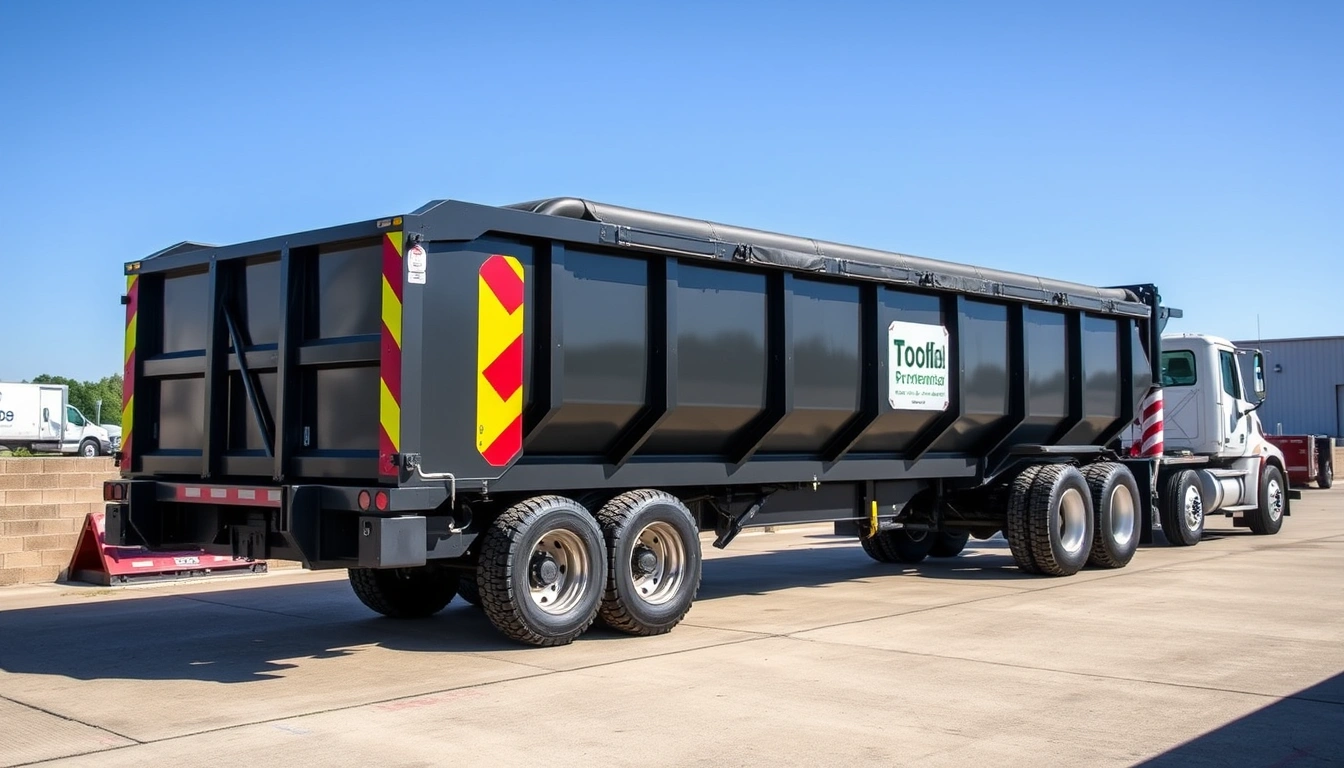
“`html
Commercial roofing dumpster TPO membrane Muskogee: the right size for flat roof tear-offs
⏱️ 9 min read · Last updated: 2026
- TPO membrane weight per square: the membrane sheet alone runs approximately 20–40 lbs per roofing square (100 sq ft); a full flat roof assembly including polyiso insulation and cover board commonly reaches 75–150 lbs per square.
- Comparison baseline: single-layer asphalt shingles weigh 230–350 lbs per square — making a TPO system 3–5 times lighter per square foot of roof area.
- Flat roof dumpster size range: 20-yard to 40-yard roll-off containers serve the commercial flat roof market in Muskogee; 30-yard is the most common choice for mid-size commercial buildings.
- Commercial rental period: standard rentals run 7–14 days; extended rentals up to 30 days are widely available and common on commercial projects where work is staged across multiple days.
- Volume reality check: 2 inches of polyiso insulation removed from a 10,000 sq ft roof generates roughly 60+ cubic yards of debris — frequently the binding constraint, not the tonnage limit.
A 20,000-square-foot commercial flat roof tear-off generates roughly 10–15 tons of debris. The same square footage in double-layer asphalt shingles? Closer to 45 tons. That three-to-one weight gap is exactly why commercial roofing dumpster TPO membrane Muskogee projects need a completely different sizing formula — and why crews who rent by habit from the residential shingles playbook end up either burning money on a too-large container or ordering a second pull mid-job at emergency rates.
The membrane itself is the easy part. TPO single-ply weighs so little that it barely registers on the load ticket. What catches people off-guard is the insulation system underneath — polyiso boards, tapered crickets, wood fiber cover boards — which is lightweight but takes up cubic yards fast. One 8,000 sq ft commercial roof with 3-inch polyiso insulation can produce more cubic volume than a residential shingle job twice its size.
In 2026, flat roofs make up a significant portion of Muskogee’s commercial building stock. Getting the dumpster selection right the first time is a genuine time-and-money problem, not just a logistics footnote.
Why TPO membrane changes your dumpster math completely
The standard dumpster-sizing formula for roofing — one square of material, one rough weight estimate, multiply by roof area — falls apart on commercial flat roofs because TPO system removal is a multi-layer problem, not a single-layer one. The membrane comes off first, then the cover board, then the insulation. Each layer has a different weight-to-volume ratio, and those ratios swing the container-size decision in opposite directions.
TPO membrane sheet weighs almost nothing relative to its coverage area. A 45-mil TPO membrane running across 5,000 sq ft of roof might weigh under a ton by itself. That’s about what a seasoned roofer would toss into a 10-yard container without a second thought. But the moment the polyiso insulation boards come with it — which they do on most commercial re-roofs, especially where the insulation has absorbed moisture — you’re dealing with a volume problem, not a weight problem.
This distinction matters because roll-off dumpsters have two limits: a weight limit and a volume limit. On shingle jobs, weight is almost always the binding constraint. On flat roof jobs with TPO and insulation, volume is usually what fills the container first. Ordering a dumpster based on tonnage alone and ignoring cubic yards is the single most common sizing mistake on commercial membrane removal.
Quick check: If your job involves removing only the membrane and no insulation, size by weight. If any insulation comes off — even partial — size by volume first, then verify the weight fits.
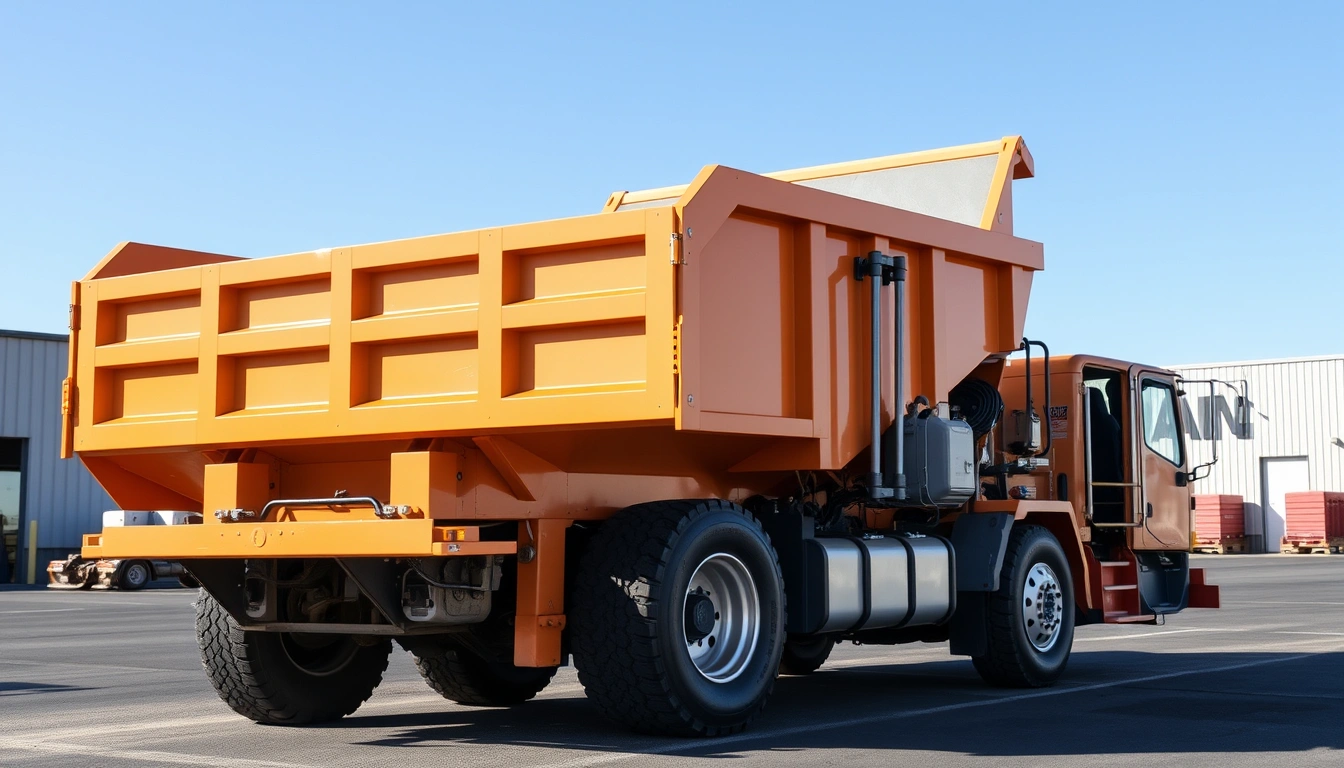
What size dumpster do I need for a commercial TPO roof replacement in Muskogee?
The right dumpster size for a commercial TPO roof replacement in Muskogee depends on three variables: total roof area, whether insulation is included in the tear-off, and how thick that insulation is. The table below gives you the most common matchings — treat them as starting points, not absolutes.
| Roof area (sq ft) | Scope of removal | Typical debris weight | Recommended dumpster | Why a smaller size fails |
|---|---|---|---|---|
| Under 5,000 | Membrane only | 0.5–2 tons | 10–15 yard | Not needed at this scope |
| Under 8,000 | Full assembly (membrane + insulation) | 3–12 tons | 20 yard | 15-yard hits volume limit on insulation boards |
| 8,000–20,000 | Full assembly | 6–30 tons | 30 yard | 20-yard overfills on volume within first day |
| 20,000–40,000 | Full assembly | 15–60 tons | 40 yard or two 30-yard dumpsters | Single 30-yard creates mid-job stoppage waiting for a pull |
| Over 40,000 | Any scope | 30+ tons | Phased pulls, 40-yard minimum | No single container handles full-building volume without overfill |
For a roofing dumpster rental muskogee ok, the 30-yard container is the workhorse choice for most commercial flat roof jobs in the city. It handles 6–8 tons of debris and about 30 cubic yards of volume — which covers a single-day tear-off on a mid-size commercial building without a mid-job pull.
Quick check: If you know your roof area but not your insulation thickness, walk the perimeter of a field penetration or existing cut. The insulation depth will be visible. Two inches of polyiso is common on older Oklahoma commercial builds; four to six inches is typical on post-2010 energy-code builds.
The weight difference between TPO and shingles — and why it doesn’t tell the whole story
A single-layer asphalt shingle roof weighs 230–350 lbs per roofing square. A full TPO flat roof assembly — membrane, cover board, and polyiso insulation — weighs 75–150 lbs per square. That 3–5x weight advantage is real and it does matter, but it can mislead you if you stop there.
Insulation boards are rigid and do not compress in a dumpster the way shingles do. A bundle of shingles thrown into a 30-yard container settles and stacks. Polyiso boards — typically 4×8 feet, rigid, and varying from 1 to 6 inches thick — land flat and take up their full geometric volume. A single pallet of 4-inch polyiso boards covering 1,000 sq ft of roof takes up roughly 12 cubic yards of dumpster space but weighs only about 600 lbs.
According to the National Roofing Contractors Association, polyisocyanurate (polyiso) board is now the dominant insulation type in low-slope commercial roofing — meaning most commercial TPO tear-offs in 2026 include a substantial volume of this lightweight but bulky board material.
The practical result: on a TPO removal with 3-inch polyiso insulation, a 10,000 sq ft roof generates approximately 90 cubic yards of debris — but only 5–8 tons. A 30-yard dumpster holds 30 cubic yards. You’ll need three pulls or a phased approach, regardless of the weight. This is data you will not find in generic dumpster-size guides, and it’s exactly the kind of calculation that separates an accurate job estimate from an expensive surprise.
Check the muskogee roofing debris statistics dumpster resource for a breakdown of how commercial and residential tear-off volumes compare locally — the flat roof numbers are notably different from the national averages most calculators use.
Quick check: If your total debris weighs under 5 tons but the insulation is 3 inches or thicker, treat this as a volume job, not a weight job. The 30-yard container — not the 20-yard — is where you start.
Is membrane roofing debris disposed of differently than shingles?
Yes — TPO membrane roofing debris and asphalt shingles follow different disposal paths, with one meaningful exception in TPO’s favor. Asphalt shingles are almost always landfilled in Oklahoma, though some facilities accept them for road base applications. TPO membrane, on the other hand, is a thermoplastic that can be recycled — and a small but growing number of TPO manufacturers and roofing suppliers in the region run take-back or recycling programs for clean membrane material.
The practical catch: “clean” membrane means no adhesive contamination, no gravel ballast, and no wet insulation attached. On most commercial tear-offs, the membrane comes off with adhesive residue, flashing remnants, or insulation facing stuck to it. That contaminated material goes to the landfill with everything else. Only a job where the membrane is mechanically attached — not adhered — and comes off in large, clean sheets is a realistic candidate for TPO recycling.
The EPA’s construction and demolition materials guidance categorizes roofing membranes as a recoverable material when clean, but notes that contamination in mixed C&D loads is the primary barrier to diversion from landfill. For most Muskogee commercial jobs, a standard roll-off dumpster headed to a licensed C&D facility is the correct path.
EPDM rubber roofing — a common alternative to TPO on older Oklahoma commercial buildings — follows the same general logic, but EPDM recycling infrastructure is even less developed regionally. If you’re stripping EPDM rather than TPO, count on 100% landfill disposal and factor the heavier weight of EPDM (it runs denser than TPO) into your size estimate.
Quick check: Call your dumpster provider and ask whether the receiving facility accepts separated membrane material for recycling. If your job involves a large clean tear-off of mechanically attached TPO, it’s worth asking — potential landfill savings in 2026 are real, even if the logistics aren’t always there.
Five steps to size your flat roof dumpster without guessing
This workflow applies to any commercial TPO flat roof tear-off in Muskogee. Run through all five steps before calling — the order matters because each step can override the previous recommendation.
- Measure the roof area in squares. Length × width ÷ 100 = roofing squares. For irregular commercial roofs, break it into rectangles and add them. If the building has multiple levels or setbacks, measure each zone separately. A 150 × 120 ft commercial building = 18,000 sq ft = 180 squares.
- Identify what’s coming off. Membrane-only removal (leaving insulation in place and installing new membrane over a cover board) generates roughly 20–40 lbs per square of debris — almost entirely volume-free. Full-system removal (membrane + insulation + cover board down to the deck) generates the full 75–150 lbs per square range and significant cubic yardage. If you’re unsure, assume full system — it’s a safer overestimate than the reverse.
- Measure insulation thickness at a field penetration or edge detail. This is the number most estimators skip. One inch of polyiso insulation over 10,000 sq ft adds roughly 31 cubic yards of debris. Two inches adds 62 cubic yards. Four inches adds 124 cubic yards — and a 40-yard dumpster holds 40. At that point you’re planning multiple pulls regardless of container size.
- Determine the binding constraint: weight or volume. Multiply your roof area by the weight range from step two. If that number is under your dumpster’s weight limit, volume is your constraint — size up. If the weight is near or over the limit, size up on weight capacity and also verify volume fits. On clean TPO jobs, volume wins almost every time. On wet-insulation jobs (see edge cases), weight can surprise you.
- Factor in site access and job duration. A 40-yard dumpster requires a flat, accessible driveway or parking lot with at least 60 feet of clearance for truck approach. If your Muskogee commercial site has a covered entry, low overhangs, or limited staging area, a 30-yard with a planned mid-job pull may be the practical answer even if the 40-yard is the math-correct answer. The roofing contractor dumpster placement driveway muskogee guide covers specific clearance requirements and surface protection options worth reading before your container arrives.
Quick check: If step three gives you an insulation cubic yardage that exceeds your container size, plan for at minimum two pulls. Budget the second pull cost into your job estimate before signing a contract.
When the standard recommendation breaks down
The sizing table above works for clean, straightforward tear-offs. These six scenarios each require a different approach, and missing them is where job budgets bleed.
Existing overlay systems: TPO over EPDM over gravel ballast
Older Muskogee commercial buildings sometimes have a BUR (built-up roofing) gravel ballast system under the EPDM under the TPO. The gravel alone can weigh 800–1,200 lbs per square. A 5,000 sq ft roof with gravel ballast can weigh 20–30 tons before you count anything else. If there is any gravel involved, skip the standard formula entirely and get a site-specific estimate based on ballast depth.
Wet insulation: the weight multiplier no one mentions
Polyiso and fiberboard insulation that has been saturated by a failed membrane can absorb water and become dramatically heavier than its dry rating. Wet polyiso can weigh 3–5 times more than dry board per cubic foot. On a job where the insulation is suspected to be wet — look for soft spots, blistering membrane, or long-standing leak history — size your dumpster as if the material weighs twice the normal estimate and explicitly discuss weight overage policy with your Muskogee rental provider before the job starts.
Tapered insulation systems with large crickets
High-end commercial flat roofs use tapered polyiso systems to create positive drainage slopes. These systems can run 6–10 inches thick at their deepest points. A 15,000 sq ft roof with a 4-inch average taper depth generates well over 200 cubic yards of debris — a volume that requires either four 30-yard pulls or a dedicated phased plan. Estimate average thickness, not just corner depth.
Green roof or garden roof assemblies
If there’s a vegetative or green roof system over the TPO, you’re dealing with engineered growing media that commonly weighs 50–150 lbs per sq ft depending on depth. A 2,000 sq ft green roof section can add more weight than the entire roofing system beneath it. Green roof removal is typically handled separately from the membrane tear-off, often requiring a skip loader and a dedicated soil disposal plan.
Multi-phase commercial jobs
Large commercial buildings in Muskogee — warehouses, manufacturing facilities, big-box retail — are often re-roofed in phases while the building stays occupied. A single 30-day rental with multiple scheduled pulls is usually more cost-effective than individual short-term rentals for each phase. Confirm with your provider that their standard commercial rental period supports multi-pull arrangements before you’re locked into a phased schedule.
Limited roof access for debris chuting
On multi-story commercial buildings, debris is typically shot down chutes into the dumpster. If the building layout, neighboring properties, or Muskogee right-of-way constraints prevent a chute setup, debris may need to be staged on the roof and craned down. This changes how fast the dumpster fills, how many pulls you need per day, and potentially what container placement is even possible on the site.
Rental periods and site logistics for commercial flat roof jobs in Muskogee, OK
Commercial flat roof rentals in Muskogee commonly run 7–14 days for standard jobs, with 30-day options available for larger phased projects. This is longer than the typical residential shingle rental, and for good reason: commercial membrane removal often depends on weather windows, occupied-building access restrictions, and crew scheduling that residential jobs don’t have.
Understanding the roofing dumpster rental cost muskogee structure matters here. Most providers charge a flat rental fee that covers the base period, then add a daily or weekly overage fee after that. For a 15-day commercial job, locking in a 14-day rate and paying one day’s overage is usually cheaper than booking a 30-day rental upfront — but check the specific rate structure before assuming.
Placement on a commercial site in Muskogee raises different considerations than residential. Most commercial parking lots can accept a 40-yard container on asphalt without board protection if the surface is in good condition. Concrete lots require plywood boards under the container’s contact points to prevent surface cracking from point loading. Confirm surface type with the tenant or property manager before the container arrives — repositioning after delivery adds cost and delay.
If the job spans more than one section of a building and the container needs to move between zones, plan for a pull-and-replace delivery rather than trying to push or drag a loaded container across the lot. Loaded containers are not designed to be relocated on the ground — that’s a truck job.
Quick check: Lock in your rental period based on the realistic project schedule, not the optimistic one. On commercial flat roof jobs, adding three days to your estimate costs far less than an emergency extended rental when the job runs long.
- TPO membrane weighs 3–5x less per square than asphalt shingles, but the insulation system beneath it creates a volume problem that often fills a dumpster before the weight limit is reached.
- A 30-yard roll-off is the most common commercial flat roof dumpster in Muskogee — it handles 8,000–20,000 sq ft full-system removal in most cases; above that, plan for a 40-yard or phased pulls.
- Wet insulation, ballasted systems, and overlay assemblies can multiply debris weight 3–5x above the standard estimate — always ask about system history before finalizing container size.
- Rental periods of 7–14 days are standard for commercial flat roof jobs in Muskogee in 2026; book based on your realistic schedule, not your best-case one.
Common questions about commercial roofing dumpster TPO membrane Muskogee
What is TPO roofing debris and how is it disposed of?
TPO (Thermoplastic Polyolefin) roofing debris consists of the single-ply membrane sheet, polyiso or other insulation boards, cover board, and flashing components removed during a commercial flat roof tear-off. Most TPO debris is landfilled at licensed C&D facilities. Clean, adhesive-free membrane sheets may qualify for TPO recycling programs, but contaminated material — which covers most job sites — goes to landfill.
How do I size a dumpster for a commercial flat roof step by step?
Measure your roof area in squares (sq ft ÷ 100), determine whether you’re removing membrane only or full assembly with insulation, measure insulation thickness, then calculate both estimated weight and cubic volume. Volume typically controls the decision on TPO jobs. Use this result against the container’s cubic capacity, not just its ton limit. For 8,000–20,000 sq ft full-assembly jobs, a 30-yard container is the standard starting point in 2026.
Shingle vs membrane roofing dumpster needs — which differs more?
Membrane roofing dumpster needs differ more from shingles than most contractors expect. Shingles are heavy and dense — weight is the binding constraint. TPO membrane systems are light but voluminous — especially the polyiso insulation, which is rigid, non-compressible, and takes up cubic yards fast. A membrane job that matches a shingle job in square footage will need roughly half the weight capacity but potentially the same or larger volume capacity.
Why is membrane debris tricky for dumpsters and how do I handle it?
The main challenge is that polyiso insulation boards are rigid, lightweight, and non-compressible — they stack loosely and eat cubic yardage fast. Wet insulation adds the opposite problem: weight spikes dramatically. To handle it: break boards into smaller pieces when possible to reduce air gaps, load dense cover board and membrane at the bottom and lighter insulation on top, and for jobs over 10,000 sq ft with 3+ inches of insulation, plan for multiple dumpster pulls.
How much does a commercial roofing dumpster cost in Muskogee in 2026?
Commercial roofing dumpster rental costs in Muskogee in 2026 commonly range from around $350–$550 for a 20-yard container to $500–$750 for a 30-yard, inclusive of the standard 7–14 day rental period and a set tonnage allowance. Overage fees apply per ton beyond the included weight. Extended rental beyond 14 days adds a daily rate. Get a quote with the specific size and rental period to lock in your job-cost estimate accurately.
Can TPO membrane be recycled instead of landfilled in Muskogee?
TPO membrane is technically recyclable as a thermoplastic material. In 2026, some TPO manufacturers offer take-back programs for clean, uncontaminated membrane. In practice, most tear-off debris has adhesive residue or is mixed with insulation, making it ineligible. For mechanically attached membrane jobs where large clean sheets come off intact, it’s worth calling your local roofing supply house or dumpster provider to check current recycling availability in the Muskogee area.
Does EPDM roofing weigh more than TPO in a dumpster?
Yes. EPDM rubber membrane is denser than TPO and runs slightly heavier per square foot of membrane. More practically, older EPDM systems on Muskogee commercial buildings are sometimes ballasted with smooth river stone at 10–12 lbs per sq ft — a 5,000 sq ft ballasted EPDM roof can generate 25–30 tons of gravel alone. If the system you’re removing is ballasted, treat it as a weight-dominant job and size accordingly, not as a standard membrane tear-off.
The bottom line
The right approach for a commercial roofing dumpster TPO membrane Muskogee job starts with one question most estimators skip: how thick is the insulation, and is it coming off? That single variable can turn a 20-yard job into a 40-yard job with multiple pulls — and if you find it out after the container is on site, you’re paying emergency rates to solve a problem that takes five minutes to avoid.
For most commercial flat roofs in Muskogee under 20,000 sq ft with a full-system tear-off in 2026, the 30-yard container is the right starting point. Adjust up for thick insulation or wet material; adjust down for membrane-only scopes. Lock in a realistic rental period from day one.
For the full weight, size, and cost comparison across every roof type — shingles included — the parent resource on Roofing & Shingle Tear-Off Dumpster Rental in Muskogee, OK — Weight, Sizes & Cost by Roof Type gives you the side-by-side numbers you need before you pick up the phone.
Start with step three of the sizing workflow above: walk the roof edge, measure insulation depth at a visible cut, and write down that number before you call anyone.
“`
See also: roofing dumpster rental muskogee ok
See also: roofing dumpster rental cost muskogee
See also: muskogee roofing debris statistics dumpster
Related: diy roof tear off dumpster homeowner muskogee

Leave a Reply