
What size dumpster for roof tear off Muskogee: choosing the right roll-off before the crew arrives
⏱️ 7 min read · Last updated: 2026
- Standard asphalt shingles weigh approximately 230–350 lbs per roofing square (100 sq ft); architectural shingles commonly run heavier at 300–400 lbs per square.
- A 10-yard roll-off dumpster typically carries a 2-ton (4,000 lb) weight limit — enough for roughly 12–14 roofing squares in a single-layer asphalt tear-off.
- A 15-yard roll-off dumpster, with a typical 3-ton limit, handles approximately 15–20 roofing squares in a single-layer tear-off of standard asphalt shingles.
- Each additional shingle layer is a full weight multiplier: two layers on a 15-square roof creates the same debris load as a 30-square single-layer job.
- A 30-square roof in Muskogee, OK with one layer of standard asphalt shingles typically requires a 20-yard roll-off dumpster to stay within weight limits.
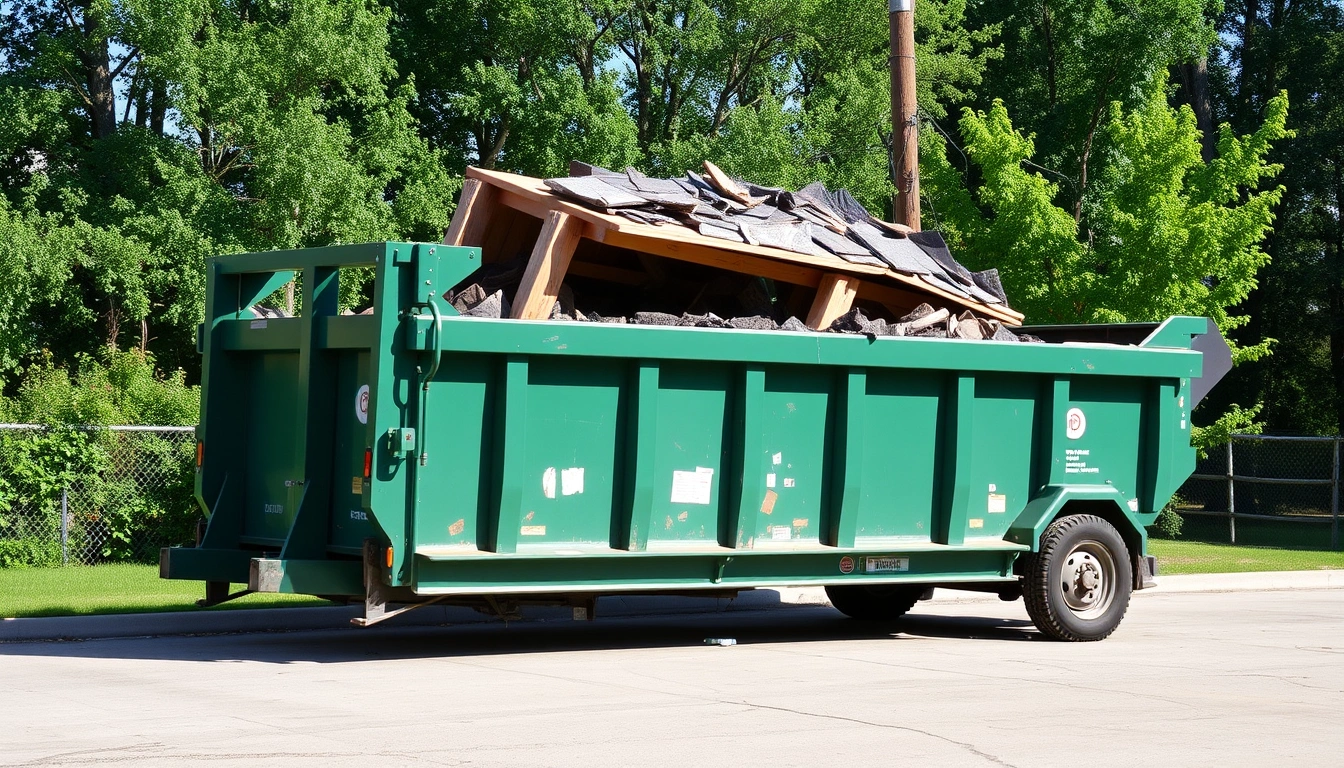
Shingles fill a dumpster by weight before they fill it by volume — and that one fact changes everything about figuring out what size dumpster for a roof tear-off in Muskogee you actually need. Most homeowners order based on cubic yards. They picture the pile, estimate the space, and pick the bin that “looks right.” That’s exactly backwards for roofing debris.
A standard roofing square of asphalt shingles weighs roughly 250 lbs. A 10-yard roll-off typically maxes out at 2 tons. Do the arithmetic: you hit 4,000 lbs at just 16 squares — and the dumpster still doesn’t look full. I’ve watched homeowners get hit with $200 overage fees when the hauler had to make an unscheduled second trip because the bin was at weight limit with shingles still on the roof.
The weight-first method is what separates a smooth Muskogee tear-off from a stalled one. Here’s how to apply it before the crew shows up.
Why weight fills a shingle dumpster before volume does
Shingles are dense relative to their volume — that’s the core fact that makes roofing debris unlike any other construction waste. Standard 3-tab asphalt shingles weigh approximately 230–250 lbs per roofing square, according to data published by the Asphalt Roofing Manufacturers Association. Architectural (dimensional) shingles run heavier, commonly 300–400 lbs per square. Either way, you’re stacking dense material, not fluffy demo drywall.
A 10-yard roll-off dumpster holds 10 cubic yards of space — but the binding constraint for roofing debris is the weight limit, not the volume. Most roll-off providers set a 2-ton limit on 10-yard dumpsters. At 250 lbs per roofing square, you’re already at 3,750 lbs with just 15 squares loaded. The bin is nowhere near visually full, but the weight limit is nearly gone.
This is the mistake most people make. They order based on cubic yards and get surprised mid-project. The right method is to estimate total debris weight first, then match it to a dumpster’s weight limit — not its cubic yard rating.
At 250 lbs per roofing square, a 15-square single-layer tear-off generates approximately 3,750 lbs of shingle debris — already near the weight ceiling of a standard 10-yard roll-off dumpster before you add a single piece of underlayment or flashing.
How many roofing squares fit in a 15-yard dumpster in Muskogee?
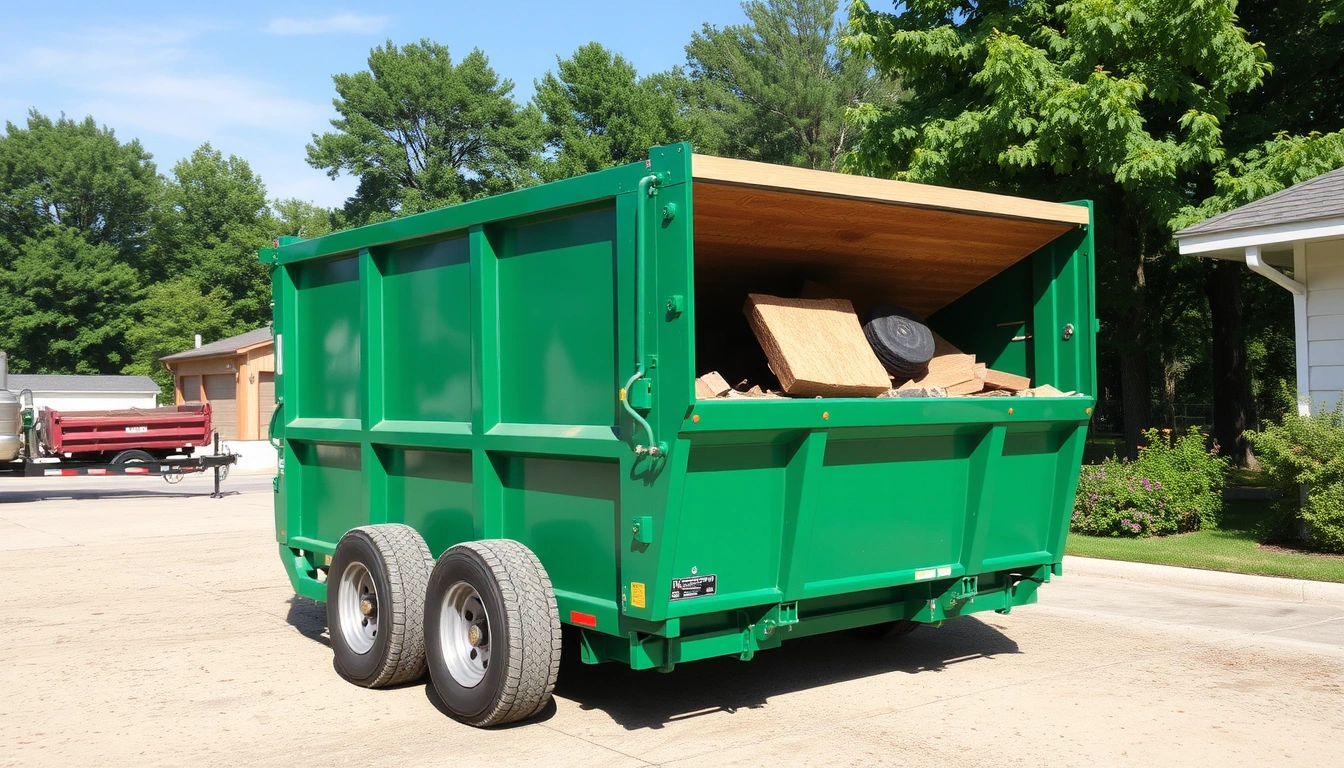
A 15-yard roll-off dumpster in Muskogee, OK typically handles 15–20 roofing squares in a single-layer tear-off of standard asphalt shingles. This is based on a common 3-ton (6,000 lb) weight limit and standard shingle weights near 250 lbs per roofing square. At the 250 lb baseline, the theoretical ceiling is 24 squares — but most contractors load conservatively to 20 to account for underlayment, ridge caps, and flashing that add hundreds of pounds beyond the shingles themselves.
The 15-yard roll-off is the workhorse of Muskogee residential roof tear-offs. Most single-story homes in the area run 18–25 squares, which puts them squarely in the 15-yard range for a single-layer job. If your contractor has already confirmed one layer of shingles and your roof measures under 20 squares, the 15-yard roll-off dumpster is the right call.
Architectural shingles shift this calculation. At 350 lbs per roofing square, that same 15-yard dumpster with its 3-ton limit maxes out at roughly 17 squares by weight — not 20. Worth confirming what’s on your roof before you order, especially on homes built after 2000 when architectural shingles became standard in Oklahoma.
When arranging a roofing dumpster rental Muskogee OK, verify whether the weight limit is quoted as 3 tons or 4 tons — some providers offer heavier-capacity 15-yard options at a modest upcharge that can save the cost of a full second-trip fee.
Do I need a 10 or 20 yard dumpster for a 30 square roof?
For a 30-square roof with a single-layer tear-off of standard asphalt shingles, you need a 20-yard roll-off dumpster — not a 10-yard, and not a 15-yard. At 250 lbs per roofing square, 30 squares of shingle debris weighs approximately 7,500 lbs. A 10-yard roll-off carries a typical 2-ton (4,000 lb) limit. A 15-yard roll-off carries 3 tons (6,000 lbs). Both are well short of what a 30 square roof dumpster must hold.
A 20-yard roll-off dumpster typically carries a 4-ton (8,000 lb) weight limit, which gives you a working margin of roughly 500 lbs after 30 squares of standard asphalt. That margin disappears quickly when you add underlayment, ridge cap, ice-and-water shield, and any rotted decking. For 30-square jobs, some Muskogee contractors recommend going straight to the 30-yard rather than risk a second-load fee at the worst possible moment in the project schedule.
| Roof size (squares) | Layer count | Shingle type | Recommended dumpster | Est. debris weight |
|---|---|---|---|---|
| Up to 12 | 1 | Standard asphalt | 10-yard roll-off | ~1.5–1.75 tons |
| 12–20 | 1 | Standard asphalt | 15-yard roll-off | ~1.5–2.5 tons |
| 20–30 | 1 | Standard asphalt | 20-yard roll-off | ~2.5–3.75 tons |
| 30+ | 1 | Standard asphalt | 30-yard roll-off | 3.75+ tons |
| Up to 12 | 2 | Any | 15-yard roll-off | ~3–3.5 tons |
| 12–18 | 2 | Any | 20-yard roll-off | ~3–4.5 tons |
| 18+ | 2–3 | Any | 30-yard or 2 loads | 4.5+ tons |
The layer multiplier: the one number most renters miss
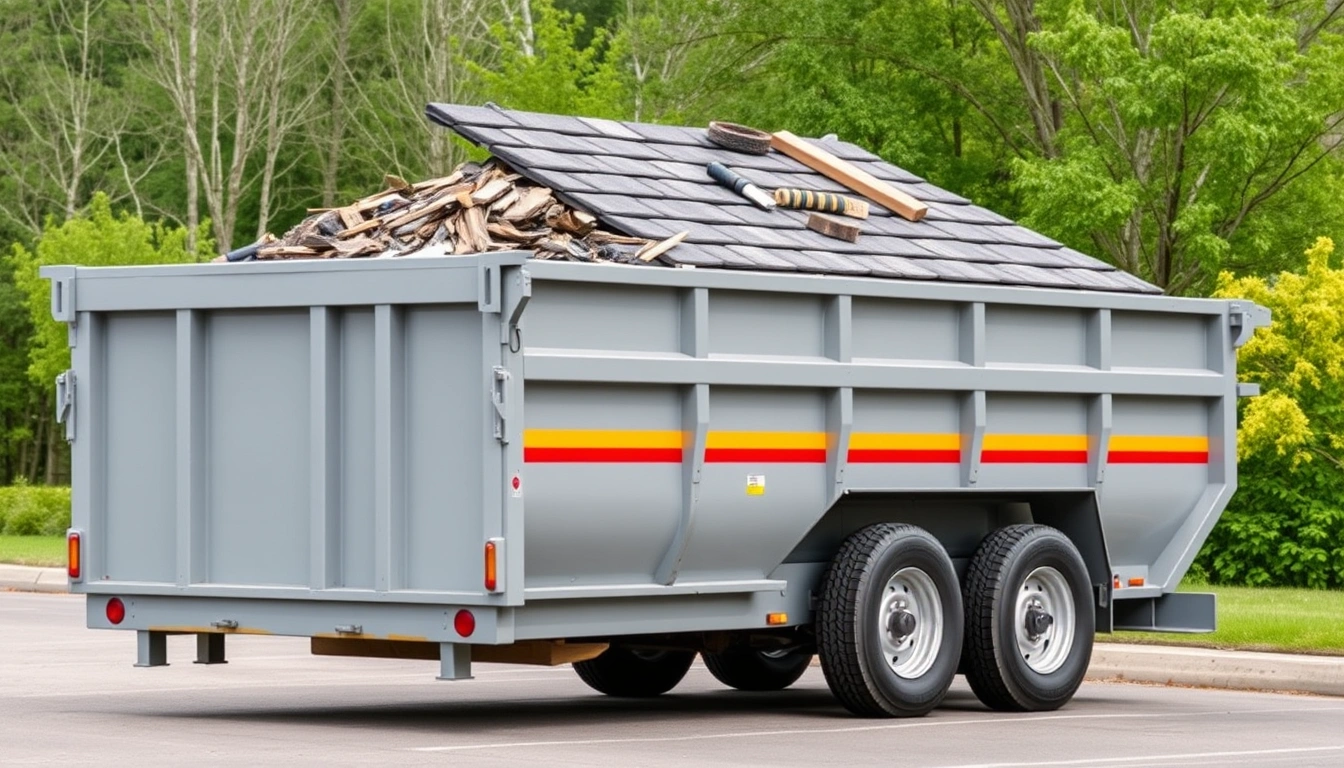
Each additional layer of existing shingles is a full weight multiplier — a two-layer tear-off generates twice the debris weight of a single-layer tear-off on the same roof. Most people understand this in the abstract but don’t adjust their dumpster order to match. This is the most common reason roofing dumpsters hit their weight limit before the job is halfway done.
A concrete example: a 15-square roof with two layers of standard asphalt shingles produces approximately 7,500 lbs of shingle debris — the same load as a 30-square single-layer job. A 10-yard roll-off dumpster, with its typical 2-ton limit, handles neither. For a two-layer job of that size, you need at minimum a 15-yard roll-off, and most experienced Muskogee contractors would call for a 20-yard to be safe.
Three-layer roofs exist on older homes in Muskogee, OK where crews laid over rather than tore off. They’re more common than most homeowners realize. If your home was built before 1985 or has never had a documented full tear-off, confirm the actual layer count before ordering. A 10-minute conversation with your contractor saves $300 or more in second-load fees.
The honest comparison by roofing material
Asphalt shingles are the baseline for sizing estimates, but the right size dumpster for a roof tear-off depends on what’s coming off the roof — and some materials change the math dramatically. Never apply asphalt-based sizing estimates to a different roofing type without adjusting for material weight.
Concrete and clay tile roofing can weigh 700–1,000 lbs per roofing square — three to four times heavier than standard asphalt. A 15-square tile roof generates 10,500–15,000 lbs of debris, well beyond the weight limit of even a 20-yard roll-off dumpster. Tile tear-offs typically require a 30-yard roll-off or multiple loads. Cedar shake runs 350–450 lbs per square. Metal roofing panels vary by gauge but are generally lighter per square foot, making volume the constraint rather than weight.
Roofing squares per yard: how the math works by material
The formula for shingle dumpster capacity is: weight limit (in lbs) divided by weight per roofing square. At a 3-ton (6,000 lb) limit and 250 lbs per square, you get 24 squares per 15-yard dumpster on paper. At 350 lbs per square for architectural shingles, that drops to 17 squares. At 850 lbs per square for concrete tile, the same 15-yard dumpster reaches its weight limit at fewer than 8 squares — even though the bin isn’t visually close to full.
For jobs that combine roofing with siding, gutter removal, or structural work, a construction dumpster rental Muskogee OK sized for mixed debris often allows higher total capacity across a blended load than a roofing-specific bin.
The National Roofing Contractors Association consistently reports that total tear-off debris weight exceeds homeowner estimates, largely because people don’t account for the multiple subsystems — underlayment, ice-and-water shield, flashings — that come off alongside the visible shingles.
When the standard advice breaks down
The square-count method is reliable for standard asphalt tear-offs, but three specific situations consistently produce the wrong dumpster order — and all three are common on Muskogee, OK properties.
When you’re mixing debris types in one bin
Gutters, soffit, fascia, and rotted decking added to a shingle dumpster shift the weight-to-volume ratio unpredictably. Shingles are already the heaviest item; if they’re near the weight limit, there’s no capacity left for other materials even if there’s visual space in the bin. The right move is to either order a larger dumpster upfront or discuss a mixed-debris rate with your provider before the tear-off starts.
When the decking needs to come out
If the contractor discovers rotted OSB or plywood during the tear-off, that material lands in the same bin. A full sheet of 3/4-inch OSB weighs roughly 60–70 lbs. A 1,200 sq ft roof with full deck replacement adds 700–900 lbs to your load — enough to push an already-tight weight margin into overage territory. If there’s any sign of water damage visible before the job starts, budget for decking replacement in your debris weight estimate.
When Oklahoma humidity has added weight to old shingles
Shingles that have absorbed significant moisture weigh more than the dry-weight specs manufacturers publish. Older roofs exposed to years of Oklahoma humidity cycles can run 10–15% heavier per roofing square than new shingle specs suggest. This is a real variable that most national roofing guides ignore entirely. If the roof shows visible moisture damage or granule loss, add a 10% weight buffer to your calculation. This single adjustment prevents the most frustrating type of overage fee — the one that happens when everything else was planned correctly.
How to avoid overage charges before the crew starts
Overage charges happen when debris weight exceeds the included allowance in your rental agreement. Avoiding them requires accurate weight estimation before you order — not guesswork when the dumpster is already at your house.
Here’s the calculation to run before you call any provider:
- Measure or confirm your roof’s square footage. Divide by 100 to get roofing squares. Account for pitch: a 2,000 sq ft footprint with a 6/12 pitch adds roughly 15% slope factor, bringing actual surface area to around 2,300 sq ft — or 23 roofing squares.
- Confirm layer count. Multiply your square count by the number of layers.
- Identify shingle type. Use 250 lbs per roofing square for standard asphalt, 350 lbs for architectural, or 850+ lbs for tile.
- Multiply squares by weight per square. This is your baseline debris weight.
- Add 10–15% buffer for underlayment, ridge cap, flashing, and miscellaneous debris — or 20% if moisture damage is present.
- Match to a dumpster whose weight limit exceeds your estimate. Never order to the exact limit.
In Muskogee in 2026, pricing for the same dumpster size can vary by $75–$150 between providers based on rental period and pickup scheduling. If budget is a constraint, a cheap dumpster rental Muskogee option may fit — but always confirm the weight limit is quoted in writing before booking. Low-price bins sometimes carry low weight allowances that generate overage charges that wipe out the savings.
If you’re planning a phased renovation — roofing first, then interior demo or siding — a dumpster rental Muskogee OK provider can often schedule a swap-out on the same service call, picking up the full roofing bin and dropping a fresh one for the next phase, if you coordinate the timing in advance.
The single most reliable way to avoid overage fees on a Muskogee roof tear-off: run the weight calculation before you call, not after the dumpster arrives full and the crew is waiting for a pickup.
- Shingles fill dumpsters by weight, not volume — 250 lbs per roofing square is the baseline for standard asphalt tear-offs.
- A 15-yard roll-off dumpster handles 15–20 squares for a single-layer tear-off; a 20-yard handles 20–30 squares.
- Each additional shingle layer doubles the debris weight — always size up one dumpster tier when a second layer is confirmed.
- Tile roofing weighs 700–1,000 lbs per roofing square — never apply asphalt sizing estimates to a tile tear-off in Muskogee or anywhere else.
Common questions about what size dumpster for roof tear off Muskogee
What is a roofing square and how does it affect dumpster size?
A roofing square equals 100 sq ft of roof surface — it’s the standard unit roofers use for estimating materials and debris. For dumpster sizing, it matters because shingle weight is expressed per square: standard asphalt runs roughly 230–250 lbs per roofing square. Multiply your total square count by that weight to estimate debris load, then match it to a dumpster’s weight limit, not its cubic yard rating.
How do I calculate dumpster size for a shingle tear-off step by step?
Measure your roof’s square footage and divide by 100 to get roofing squares. Multiply by layer count. Multiply by weight per square (250 lbs for standard asphalt, 350 lbs for architectural). Add 10–15% for underlayment and flashing. Match the resulting number to a dumpster whose weight limit is above — not equal to — your estimate. Never size to the weight ceiling.
10-yard vs 15-yard dumpster for roofing — which is better?
The 15-yard roll-off dumpster is better for most residential roofing jobs in Muskogee. A 10-yard roll-off dumpster typically maxes out at 12–14 roofing squares before hitting the 2-ton weight limit — enough for small garages or sheds, but not for the average home. Most residential roofs run 18–25 squares, making the 10-yard too small and the risk of a second-trip fee too high.
Why is my roofing dumpster full before the roof is done, and how do I fix it?
You likely hit the weight limit before the volume limit — the most common roofing dumpster mistake. Call your provider immediately to schedule a swap-out pickup. To prevent it next time: calculate debris weight before ordering (squares × lbs/square × layers), add 15% buffer for non-shingle materials, and always choose a dumpster whose weight limit exceeds your estimate by a comfortable margin.
How much does a roofing dumpster rental cost in Muskogee in 2026?
Roofing dumpster rental costs in Muskogee, OK vary by size, rental period, and provider. Prices for the same dumpster size commonly differ by $75–$150 between companies. Always confirm the included weight limit before comparing prices — a lower-priced bin with a 1-ton limit can cost significantly more than a higher-priced option with a 3-ton limit once per-ton overage fees apply.
Can I put gutters, fascia, and decking in a roofing dumpster along with shingles?
Yes, in most cases — but each addition eats into the weight allowance that shingles are already consuming. Rotted OSB decking on a 1,200 sq ft roof adds roughly 700–900 lbs. Gutters and fascia add less but still matter. Budget an extra 500–1,000 lbs beyond your basic square-count estimate when mixing debris types in a single roofing bin.
Does a steep roof pitch in Muskogee affect how many squares I get per dumpster?
Pitch doesn’t change weight per roofing square — it changes how many squares you actually have. A steep 10/12 pitch adds roughly 35% more actual roof surface than the footprint suggests. A 2,000 sq ft home footprint with that pitch has around 27 squares of roof surface, not 20. Always size the dumpster for actual surface area, not house footprint.
The bottom line
Pick your dumpster size based on weight, not what the pile looks like. For a standard asphalt single-layer tear-off in Muskogee, OK, that means a 15-yard roll-off dumpster for roofs up to 20 roofing squares, and a 20-yard roll-off for anything in the 20–30 square range. Two layers means move up one size. Tile means start with a 30-yard and verify the weight limit before debris starts falling.
The one thing to do before anything else: ask your contractor for the square count and layer number. Those two figures, multiplied by 250 lbs per roofing square, give you a debris weight estimate accurate enough to order from. Start there, add your 15% buffer, and the rest of this falls into place.
For the full breakdown of debris weight by roof type, material, and pitch across Muskogee properties, see the complete resource: Roofing & Shingle Tear-Off Dumpster Rental in Muskogee, OK — Weight, Sizes & Cost by Roof Type.
See also: roofing dumpster rental muskogee ok
See also: dumpster rental Muskogee OK
See also: construction dumpster rental Muskogee OK
Related: roofing dumpster rental days needed muskogee
Related: muskogee roofing debris statistics dumpster
Related: roofing dumpster weight limit overage muskogee

Leave a Reply